


- About
- Program
- Participants
- Media Room
Participants
- HOME

- Participants
Participants (In alphabetical order)
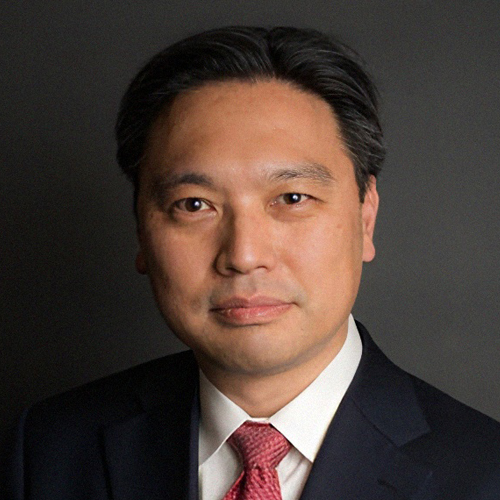
Abraham KIM
President and CEO, The Korea Society

Abraham KIM
President and CEO, The Korea Society
Abraham KIM is President and CEO of The Korea Society, a position he assumed in January 2026. He previously served as Executive Director of the Council of Korean Americans (CKA) and of the Maureen and Mike Mansfield Center at the University of Montana. His career spans senior foreign policy and national security roles, including Vice President and Interim President of the Korea Economic Institute of America (KEI), Principal Asia Analyst at Eurasia Group, and research positions at Science Applications International Corporation (SAIC) and the Center for Strategic and International Studies (CSIS). His scholarship and commentary have appeared in outlets such as International Journal of Intelligence and CounterIntelligence and Asian Politics & Policy. He holds a Ph.D. in Political Science from Columbia University, an M.A. from Harvard University, and a B.A. from Boston University.
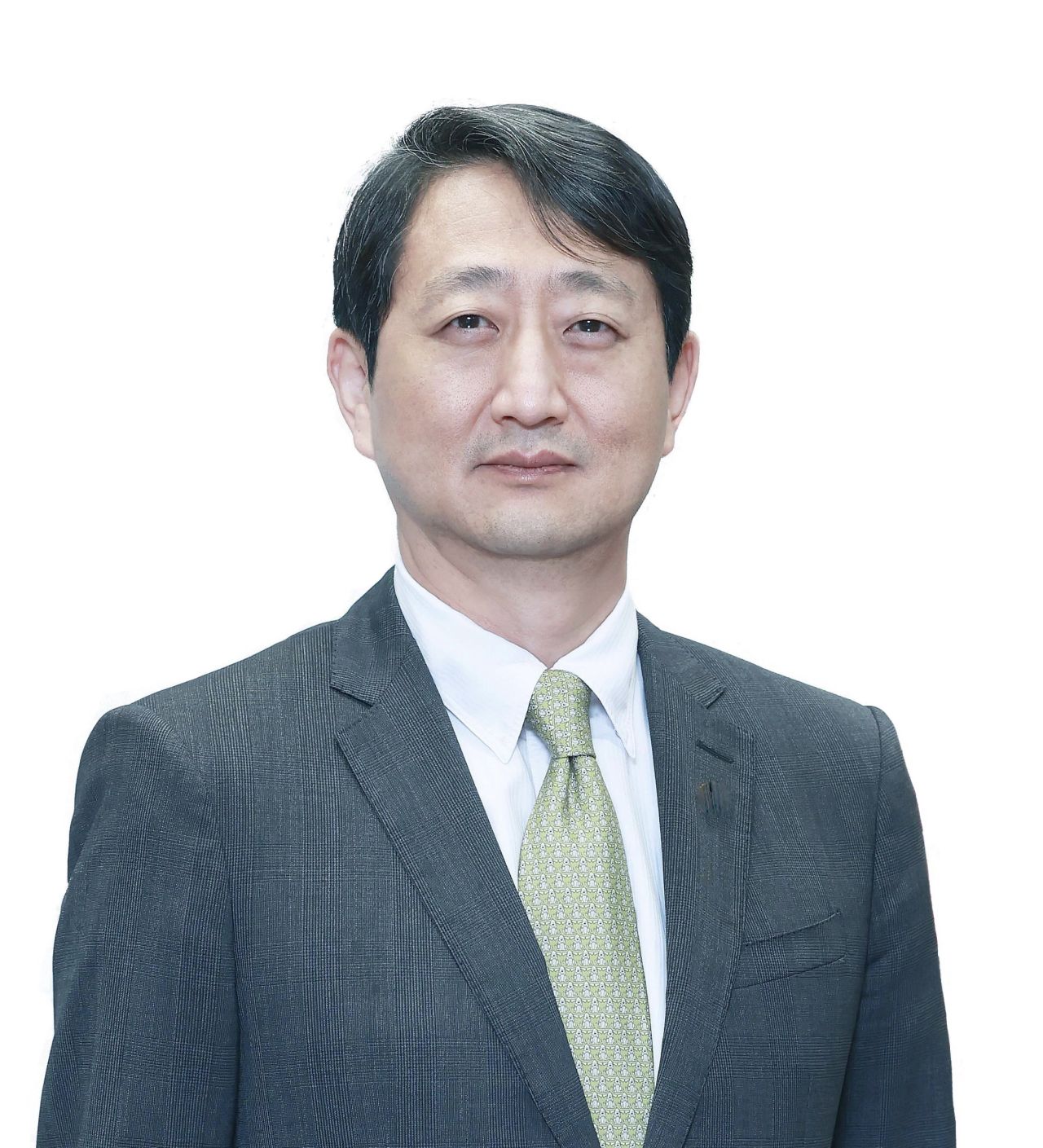
AHN Dukgeun
Professor, Graduate School of International Studies (GSIS), Seoul National University
AHN Dukgeun
Professor, Graduate School of International Studies (GSIS), Seoul National University
AHN Dukgeun is Professor at the Graduate School of International Studies (GSIS), Seoul National University. He previously served as Minister of Trade, Industry and Energy and Minister of Trade of the Republic of Korea, where he played a leading role in shaping Korea’s international trade and industrial strategy. He has also taught at several leading universities, including Columbia University, National University of Singapore, University of Barcelona in Spain, and the World Trade Institute in Switzerland. His research and commentary frequently appear in leading journals, where he also serves on editorial boards such as Journal of International Economic Law and Journal of World Trade. Professor Ahn earned both his Ph.D. in Economics and J.D. from the University of Michigan and is a member of the New York Bar.
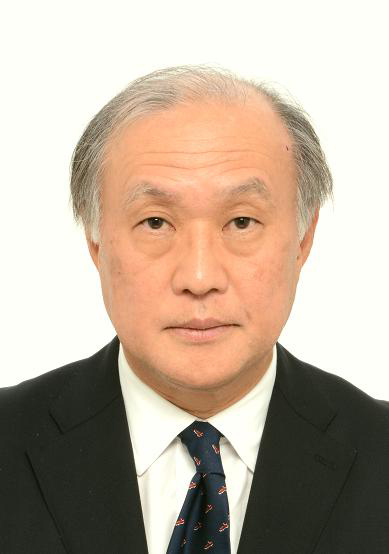
AKIBA Takeo (virtual)
Senior Advisor to the Cabinet of Japan
AKIBA Takeo (virtual)
Senior Advisor to the Cabinet of Japan
AKIBA Takeo (virtual) is Senior Advisor to the Cabinet of Japan and a Member of the Advisory Council of the International Institute for Strategic Studies (IISS). He previously served as Japan’s National Security Advisor from July 2021 to January 2025. A career diplomat who joined the Ministry of Foreign Affairs in 1982, he has held senior roles including Vice Minister for Foreign Affairs, Senior Deputy Minister for Foreign Affairs, Director-General of the Foreign Policy Bureau, and Director-General of the International Legal Affairs Bureau, and served twice at the Embassy of Japan in the United States, most recently as Political Minister. He earned an M.A. from The Fletcher School of Law and Diplomacy at Tufts University and a B.A. in Law from the University of Tokyo.
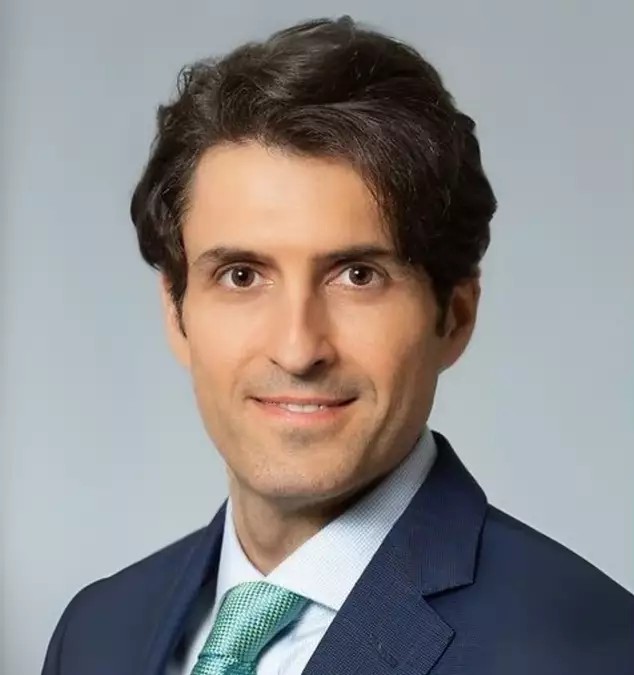
Amir VEXLER
President and CEO, Centrus Energy Corp.
Amir VEXLER
President and CEO, Centrus Energy Corp.
Amir VEXLER is President and Chief Executive Officer of Centrus Energy Corp. and serves on its Board of Directors. He has extensive experience in the nuclear fuel industry, spanning manufacturing, engineering services, commercial operations, and business development. He previously served as President and CEO of Orano USA and spent 20 years at General Electric, where he held senior leadership roles including CEO, Chairman, and COO of Global Nuclear Fuels (GNF), a GE–Hitachi joint venture and global nuclear fuel provider. He holds a B.A.Sc. in Mechanical Engineering from the University of Toronto and an MBA from Wilfrid Laurier University.
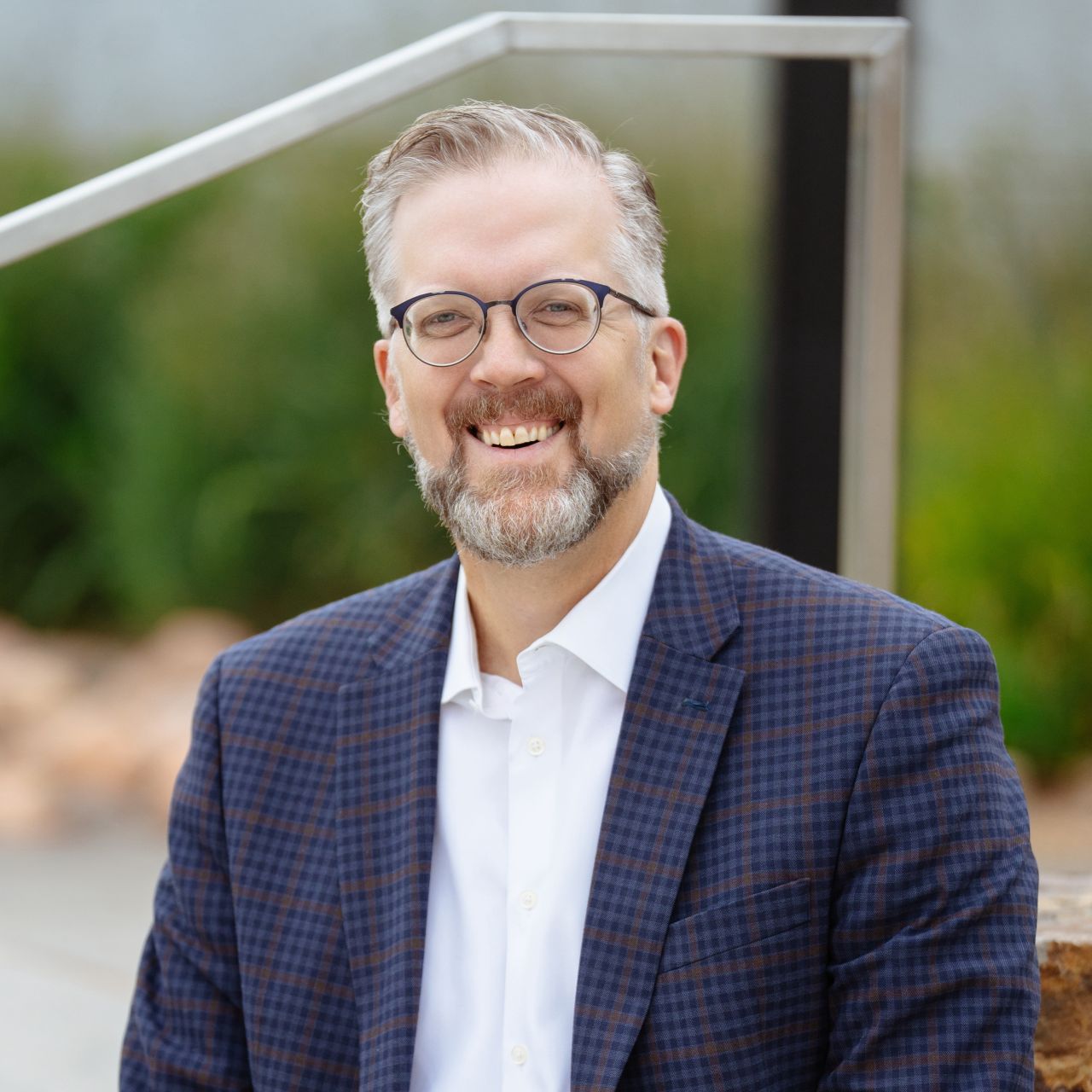
Andrew RANSON
Director, Oklahoma State University Wes Watkins Center for International Trade Development (CITD); Research Fellow at the Hamm Institute for American Energy
Andrew RANSON
Director, Oklahoma State University Wes Watkins Center for International Trade Development (CITD); Research Fellow at the Hamm Institute for American Energy
Andrew RANSON is Director of the Oklahoma State University Wes Watkins Center for International Trade Development (CITD) and a Research Fellow at the Hamm Institute for American Energy. He is also Founder and President of the strategy consultancy mozaYk13. Since 2019, he has led applied policy and strategy initiatives at the intersection of trade, energy security, and international economic cooperation, including trilateral efforts involving the United States, Japan, and Korea. Previously, he held senior leadership and advisory roles at TriCorps Technologies, Future Point of View, GiANT Partners, and GiANT Capital Fund, and earlier worked as a consultant at the Boston Consulting Group in Hong Kong and in international logistics in New York. He currently serves as President of the Board of Global Oklahoma and holds an MBA in International Business from Oklahoma Baptist University and a B.A. in Asian Studies from Dartmouth College.
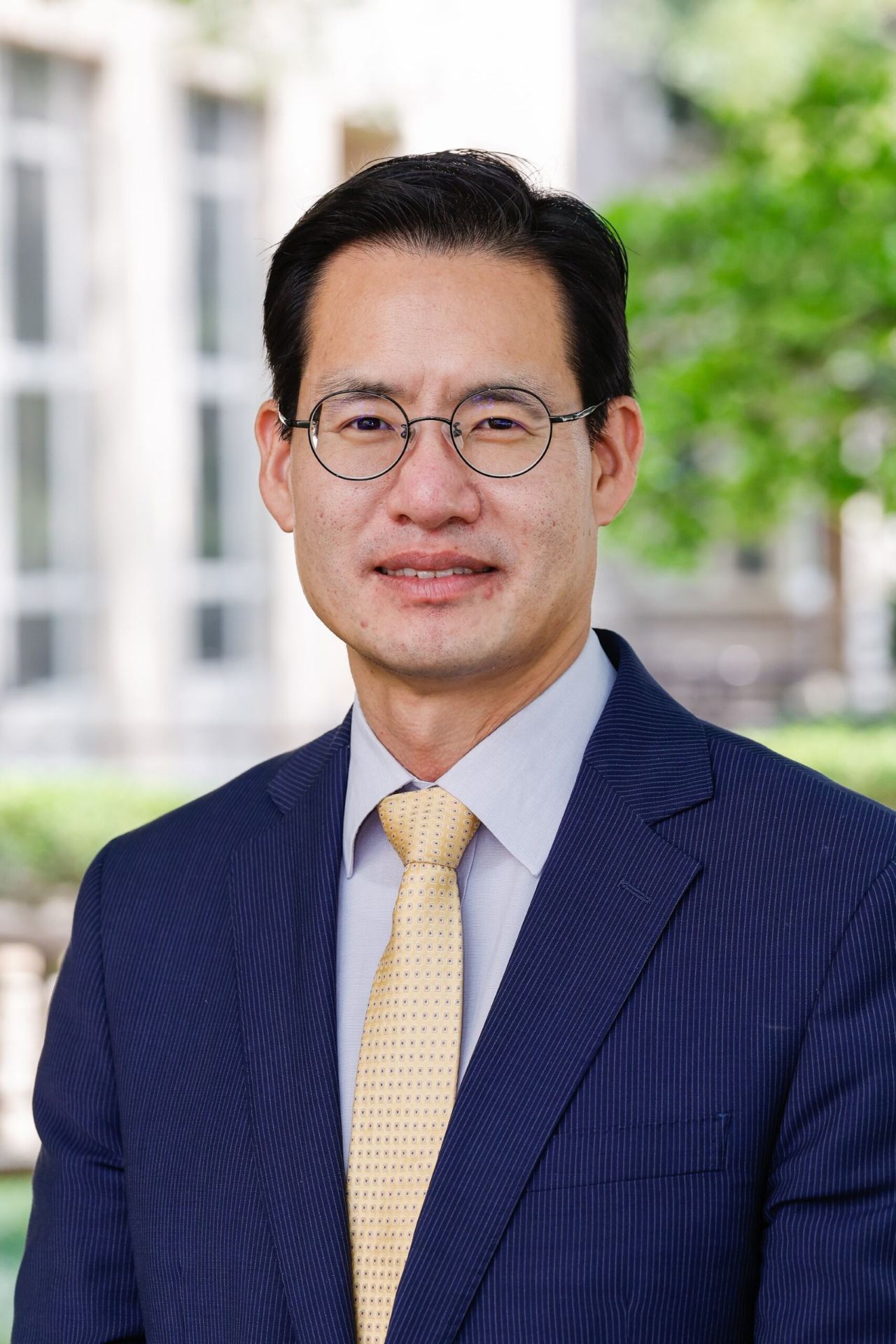
Andrew YEO
Senior Fellow and the SK–Korea Foundation Chair, the Brookings Institution; Professor of Politics,The Catholic University of America
Andrew YEO
Senior Fellow and the SK–Korea Foundation Chair, the Brookings Institution; Professor of Politics,The Catholic University of America
Andrew YEO is Senior Fellow and the SK–Korea Foundation Chair at the Brookings Institution’s Center for Asia Policy Studies, and Professor of Politics at The Catholic University of America. He is the author or co-editor of several books, including Great Power Competition and Overseas Bases: Chinese, Russian, and American Force Posture in the 21st Century (2024) and State, Society, and Markets in North Korea (2021). At the Brookings Institution, he has led several projects and initiatives on U.S. alliances and partnerships in the Indo-Pacific. His writing and commentary have also appeared in major outlets. He holds a Ph.D. in Government from Cornell University and a B.A. in Psychology and International Studies from Northwestern University.
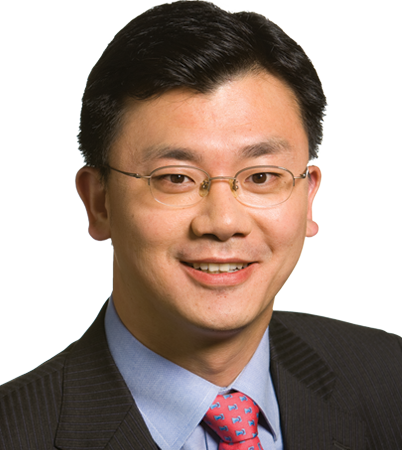
Anthony KIM
Research Fellow, Editor of the Index of Economic Freedom, Heritage Foundation
Anthony KIM
Research Fellow, Editor of the Index of Economic Freedom, Heritage Foundation
Anthony KIM is a Research Fellow, Editor of the Index of Economic Freedom, and Manager of Global Engagement for the Margaret Thatcher Center for Freedom at the Heritage Foundation. Previously, he served as Deputy Chief of Staff to Dr. Edwin Feulner, Founder of the Heritage Foundation. As an editor, he manages the production of the Heritage Foundation\'s annual Index of Economic Freedom. He holds an M.A. from George Washington University and studied economics at Rutgers University in New Brunswick, New Jersey.
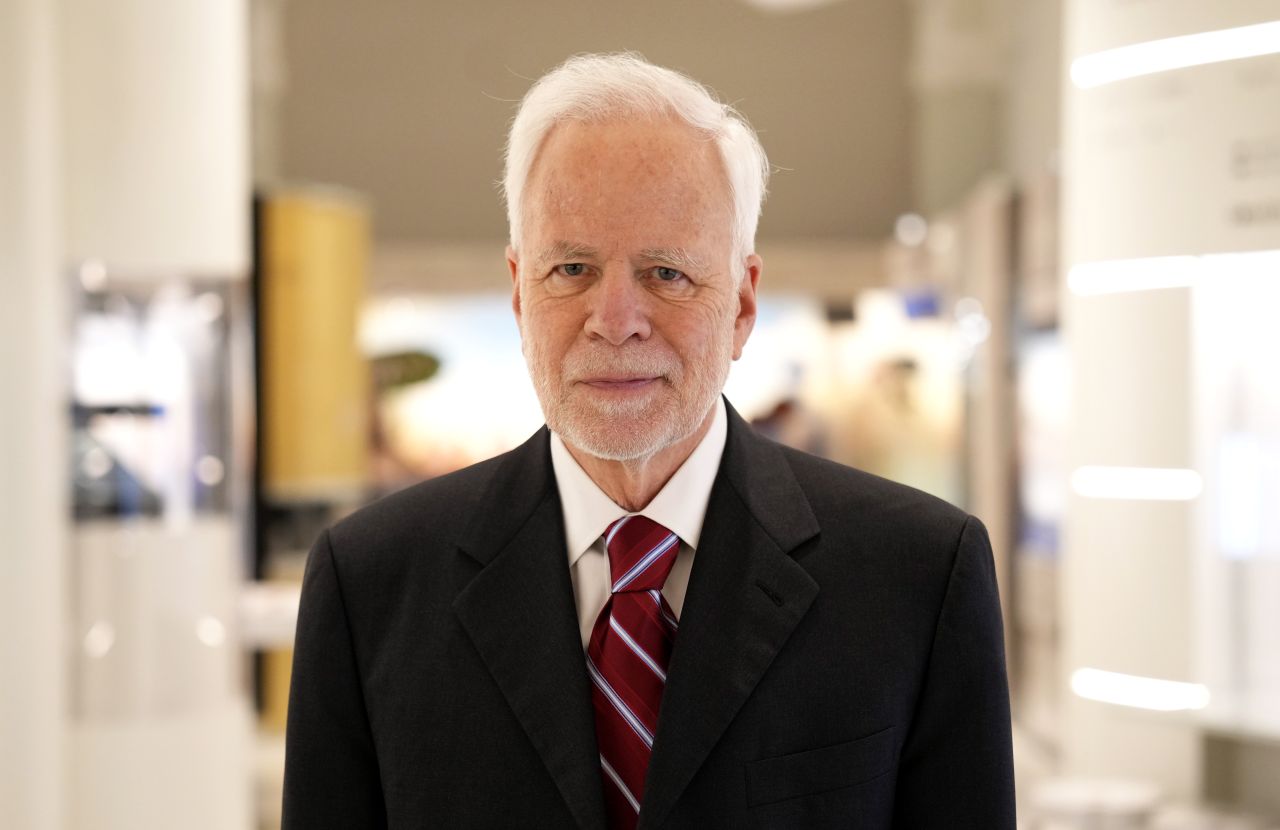
Barry EICHENGREEN
Professor, University of California, Berkeley
Barry EICHENGREEN
Professor, University of California, Berkeley
Barry EICHENGREEN is George C. Pardee & Helen N. Pardee Chair and Distinguished Professor of Economics and Political Science at the University of California, Berkeley, where he has taught since 1987. He is a Research Associate of the National Bureau of Economic Research (Cambridge, Massachusetts) and Research Fellow of the Centre for Economic Policy Research (London, England). In 1997-98 he was Senior Policy Advisor at the International Monetary Fund. He is a fellow of the American Academy of Arts and Sciences (class of 1997). Professor Eichengreen is the convener of the Bellagio Group of academics and economic officials and chair of the Academic Advisory Committee of the Peterson Institute of International Economics. He has held Guggenheim and Fulbright Fellowships and has been a fellow of the Center for Advanced Study in the Behavioral Sciences (Palo Alto) and the Institute for Advanced Study (Berlin). He is a regular monthly columnist for Project Syndicate. He was awarded the Economic History Association\\\\\\\\\\\\\\\'s Jonathan R.T. Hughes Prize for Excellence in Teaching in 2002 and the University of California at Berkeley Social Science Division\\\\\\\\\\\\\\\'s Distinguished Teaching Award in 2004. He is also the recipient of a doctor honoris causa from the American University in Paris. His books include The Populist Temptation: Economic Grievance and Political Reaction in the Modern Era (2018), Ноw Global Currencies Work: Past, Present, and Future, with Livia Chitu and Arnaud Mehl, (2017), The Korean Economy: From a Miraculous Past to a Sustainable Future (Harvard East Asian Monographs) with Wonhyuk Lim, Yung Chul Park and Dwight H. Perkins, (2015), Renminbi Internationalization: Achievements, Prospects, and Challenges, co-edited with Masahiro Kawai, (2015), Hall of Mirrors: The Great Depression, The Great Recession, and the Uses-and Misuses-of History, (2015).
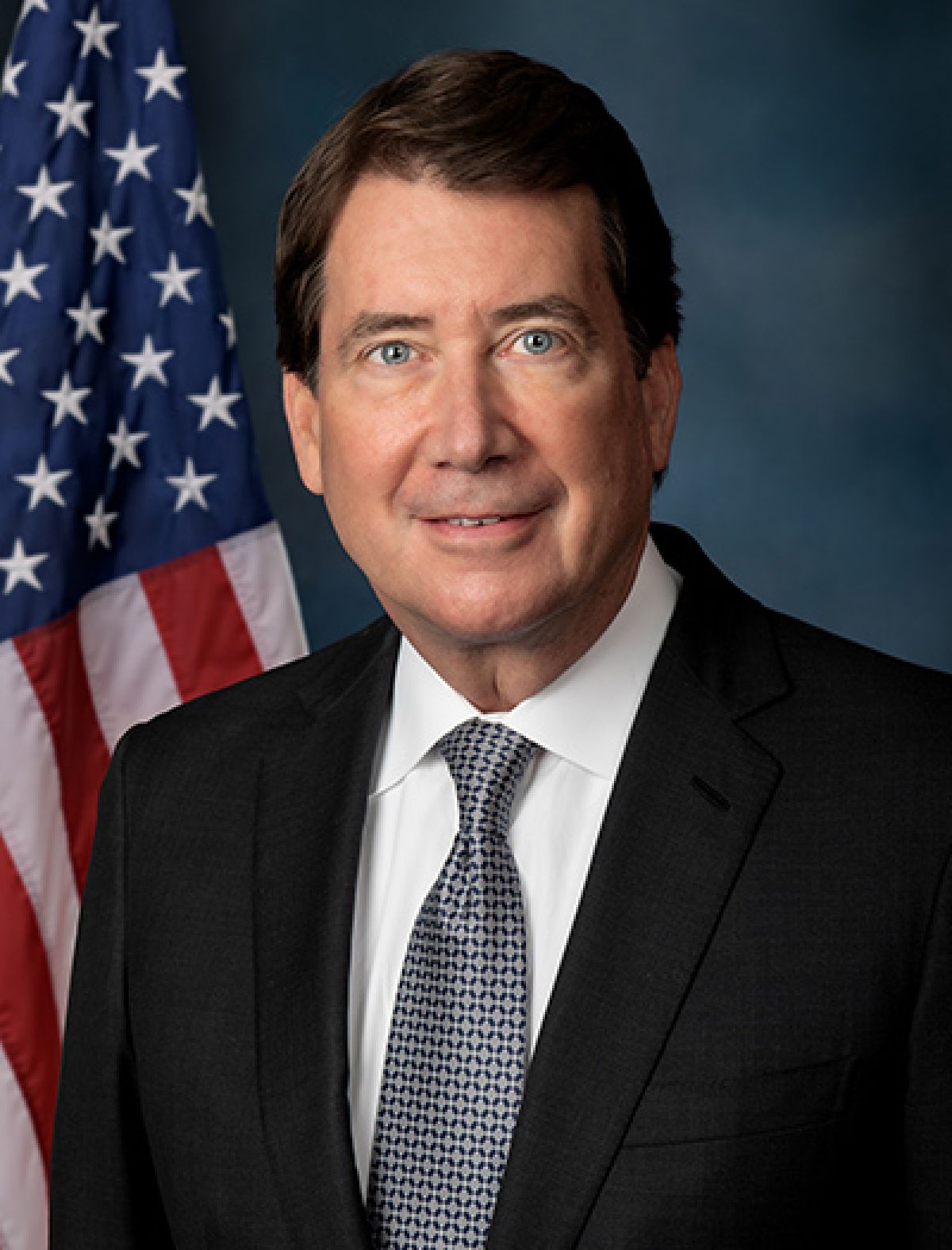
Bill Hagerty (virtual)
Senator, R-Tennessee
Bill Hagerty (virtual)
Senator, R-Tennessee
Bill Hagerty (virtual) is a United States Senator from Tennessee. He currently serves on the Senate Committees on Foreign Relations; Appropriations; Banking, Housing, and Urban Affairs; and Rules and Administration. Prior to his election to the Senate, he served as the U.S. Ambassador to Japan from 2017 to 2019. He previously served as the Commissioner of the Tennessee Department of Economic and Community Development and as a member of the White House Domestic Policy Council under President George H.W. Bush. He holds a J.D. from Vanderbilt University and a B.A. in economics and business administration from Vanderbilt University.
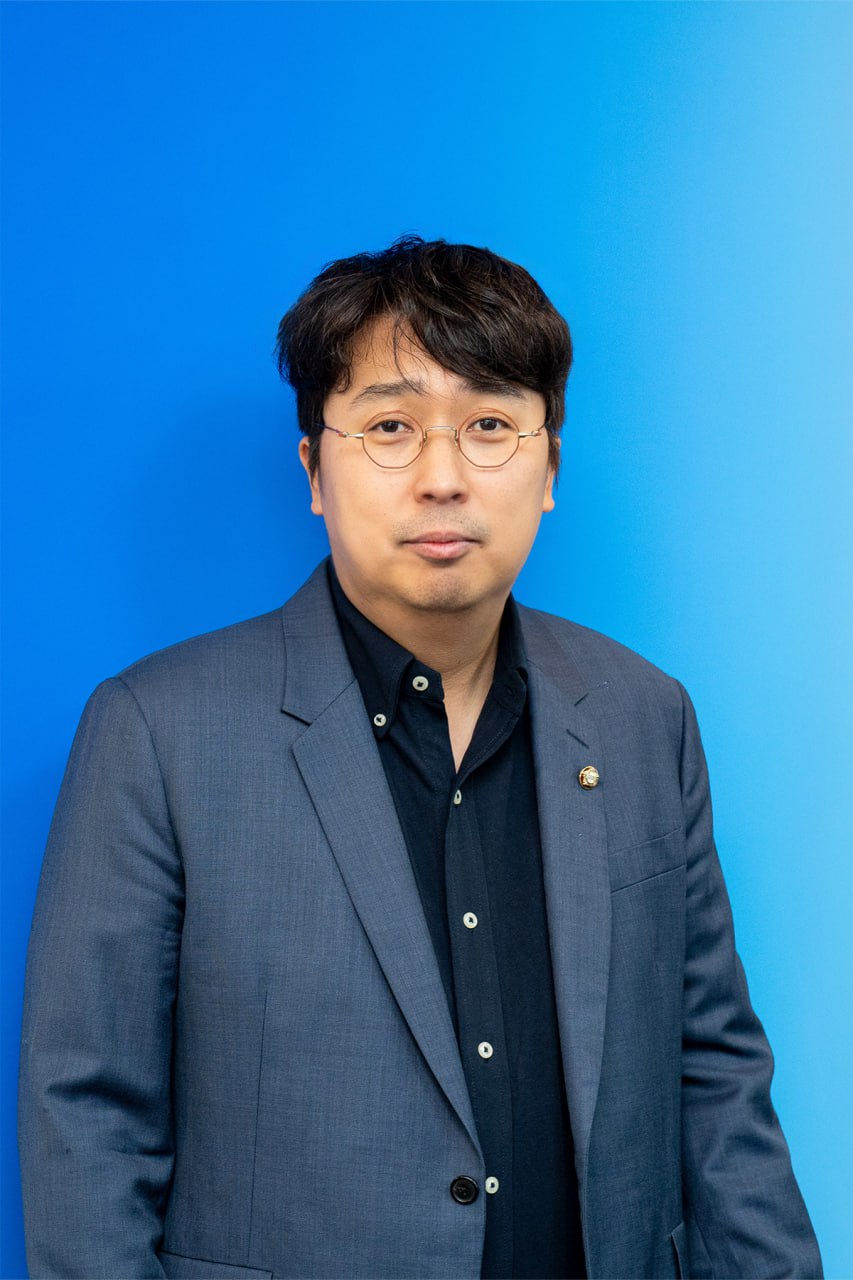
CHA Jiho
Member of the National Assembly of the Republic of Korea, Democratic Party
CHA Jiho
Member of the National Assembly of the Republic of Korea, Democratic Party
CHA Jiho is a Member of the National Assembly of the Republic of Korea and Under-Secretary General for Future Strategies of the Democratic Party of Korea. Prior to entering politics, he served as Professor of Future Strategies at the Korea Advanced Institute of Science and Technology (KAIST) and Professor of Humanitarian Studies at the University of Manchester in the United Kingdom. His research and policy work focus on global AI transformation in the era of polycrisis, particularly on the conceptualization and design of an AI Universal Basic Society (AI-UBS) framework. He holds a Ph.D. in International Health from Johns Hopkins University, an M.D. from Dong-A University, and an M.Sc. in Forced Migration from the University of Oxford.
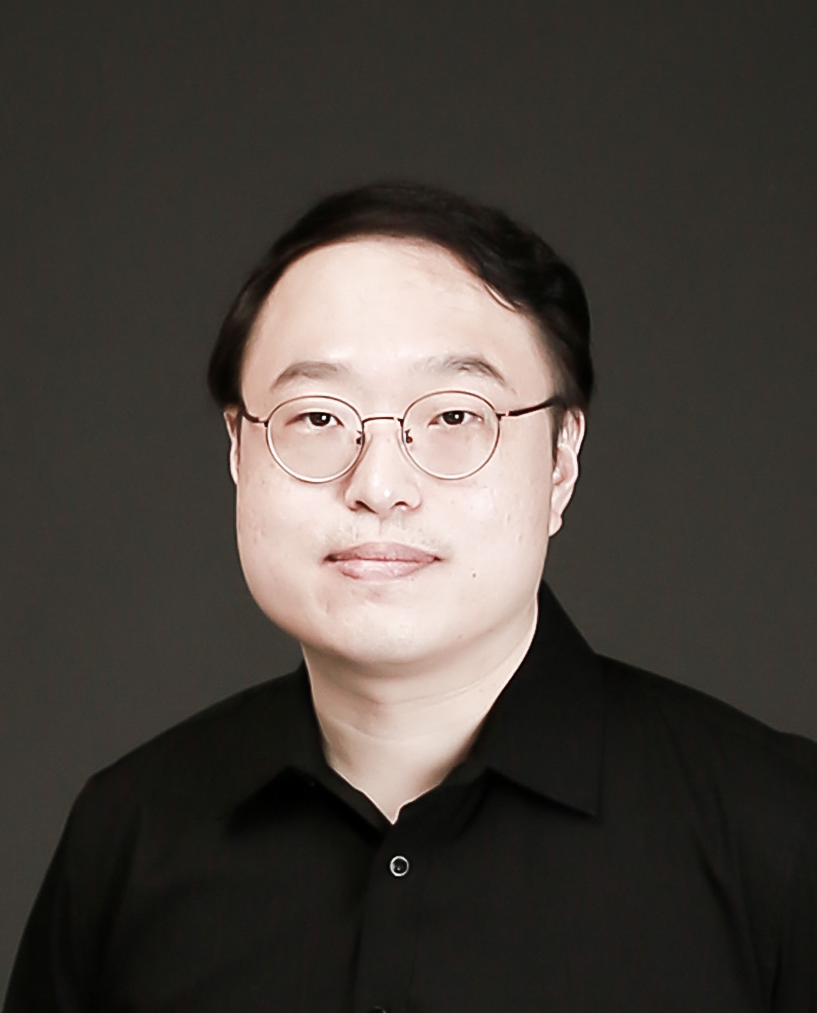
CHA Taesuh
Associate Professor of Political Science, Sungkyunkwan University
CHA Taesuh
Associate Professor of Political Science, Sungkyunkwan University
CHA Taesuh is Associate Professor of Political Science at Sungkyunkwan University. He previously served as a full-time instructor at the Republic of Korea Air Force Academy, a researcher at the Korea Institute for Defense Analyses, and a senior research fellow at Chung-Ang University. He earned his Ph.D. from Johns Hopkins University and holds a B.A. and an M.A. in International Relations from Seoul National University.
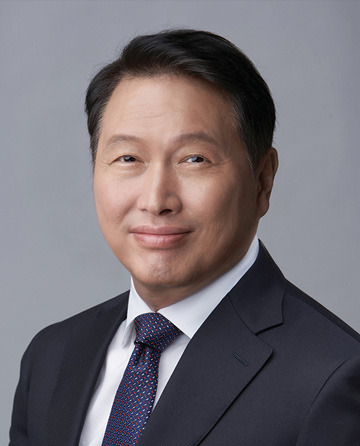
CHEY Tae-won
CEO, SK Group; Chairman, Chey Institute for Advanced Studies
CHEY Tae-won
CEO, SK Group; Chairman, Chey Institute for Advanced Studies
CHEY Tae-won is Chairman of the Chey Institute for Advanced Studies and Chairman and CEO of SK Group, a multi-sector innovation group with nearly 150 affiliates spanning energy, ICT, semiconductors, and bio industries. He also serves as Chairman of the Korea Chamber of Commerce and Industry (KCCI), Korea’s largest business organization, representing over 190,000 member companies. Under his leadership, KCCI plays a key role in trade promotion, economic diplomacy, and advancement of international cooperation. In 2025, he chaired the APEC CEO Summit held in Korea.
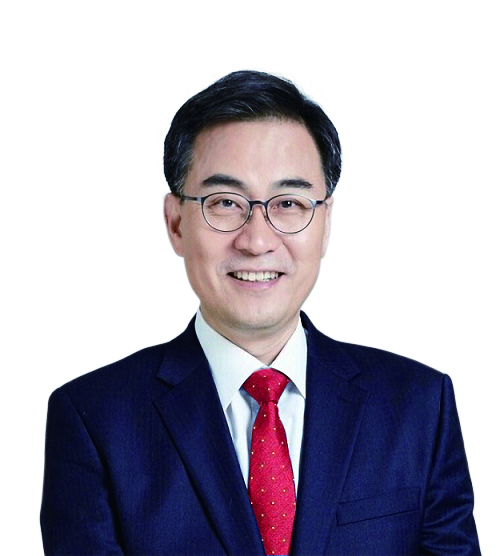
CHOI Hyung Du
Member of the National Assembly of the Republic of Korea, People Power Party
CHOI Hyung Du
Member of the National Assembly of the Republic of Korea, People Power Party
CHOI Hyung Du is a member of the Korean National Assembly, representing the Masanhappo District. He currently serves as Vice Chairman of the Science, ICT, Broadcasting, and Communications Committee and as a member of the Emergency Measures Committee. Previously, he was a spokesperson for the National Assembly and held key roles in the Presidential Office as well as the Office of the Prime Minister, including Secretary of the President for Public Relations Planning. He holds an M.A. in public administration from Harvard Kennedy School, and a B.A. in sociology from Seoul National University.
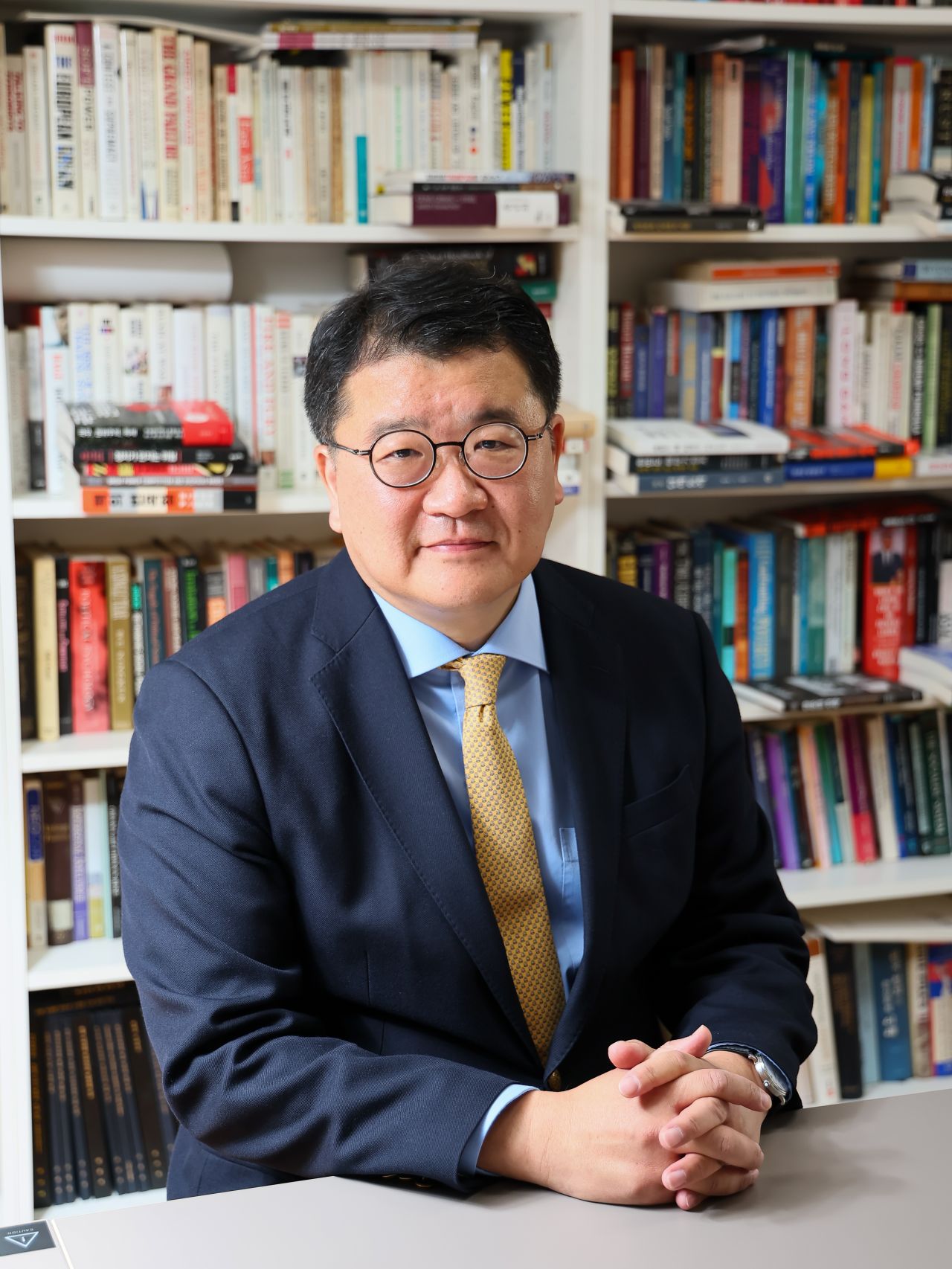
CHOI Jong Kun
Professor, Yonsei University
CHOI Jong Kun
Professor, Yonsei University
CHOI Jong Kun is Professor and Chair of the Department of Political Science and International Studies at Yonsei University. He previously served in the Blue House as Secretary for Peace & Arms Control and Peace Planning, where he played a key role in inter-Korean and ROK–U.S. diplomacy, and later as South Korea’s First Vice Minister of Foreign Affairs. He is the author of Power of Peace and From the Periphery to the Core (co-authored with former President Moon Jae-in), both of which became bestsellers in South Korea. He earned his Ph.D. in Political Science from Ohio State University, his M.A. in Political Science from Yonsei University, and his B.A. in Political Science from the University of Rochester.
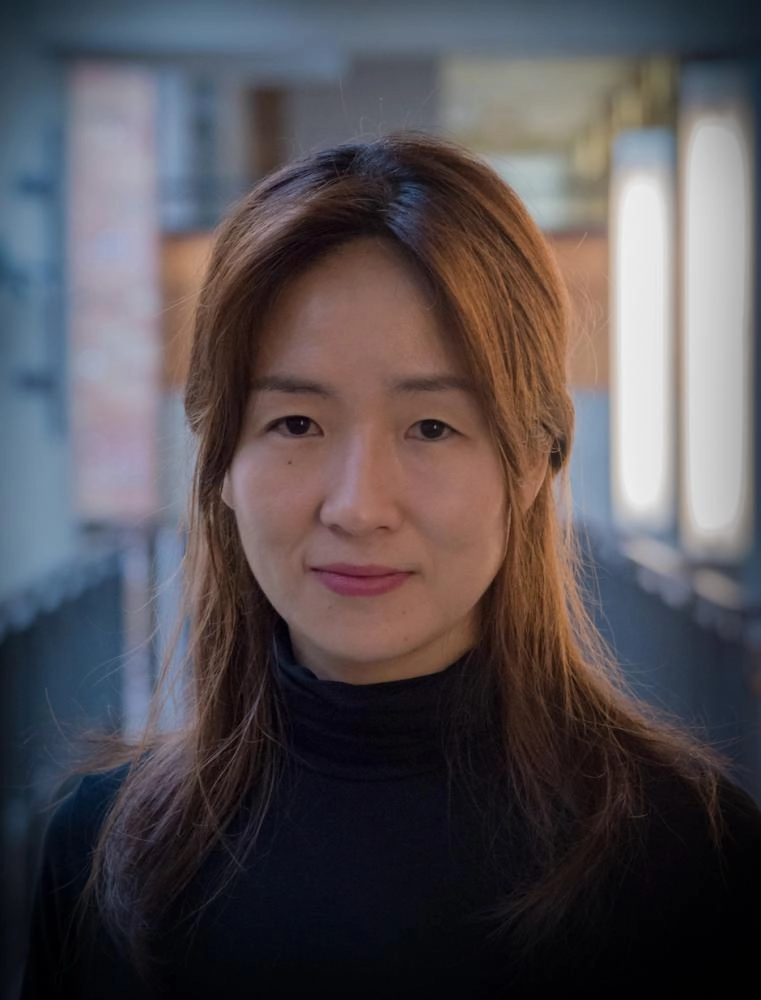
CHOI Yejin
Professor, Dieter Schwarz Foundation Professor of Computer Science, Stanford University; Senior Fellow, Stanford Institute for Human-Centered Artificial Intelligence (HAI)
CHOI Yejin
Professor, Dieter Schwarz Foundation Professor of Computer Science, Stanford University; Senior Fellow, Stanford Institute for Human-Centered Artificial Intelligence (HAI)
CHOI Yejin is the Dieter Schwarz Foundation Professor and Senior Fellow at Stanford\'s Computer Science and Institute for Human-Centered AI (HAI). She is a MacArthur Fellow, AI2050 Senior Fellow, and was named to Time100 Most Influential People in AI (2023, 2025). Choi has received 2 Test-of-Time Awards and 10 Best/Outstanding Paper Awards at top AI conferences. She was a main stage speaker at TED 2023 and has delivered keynotes at several AI conferences including NeurIPS, ICLR, CVPR, ACL, and AAAI. Her research focuses on democratizing generative AI through smaller yet powerful language models, scaling intelligence via smarter algorithms, pluralistic alignment, and AI for science and social good. She received her Ph.D. in Computer Science at Cornell University and BS in Computer Engineering at Seoul National University in Korea.
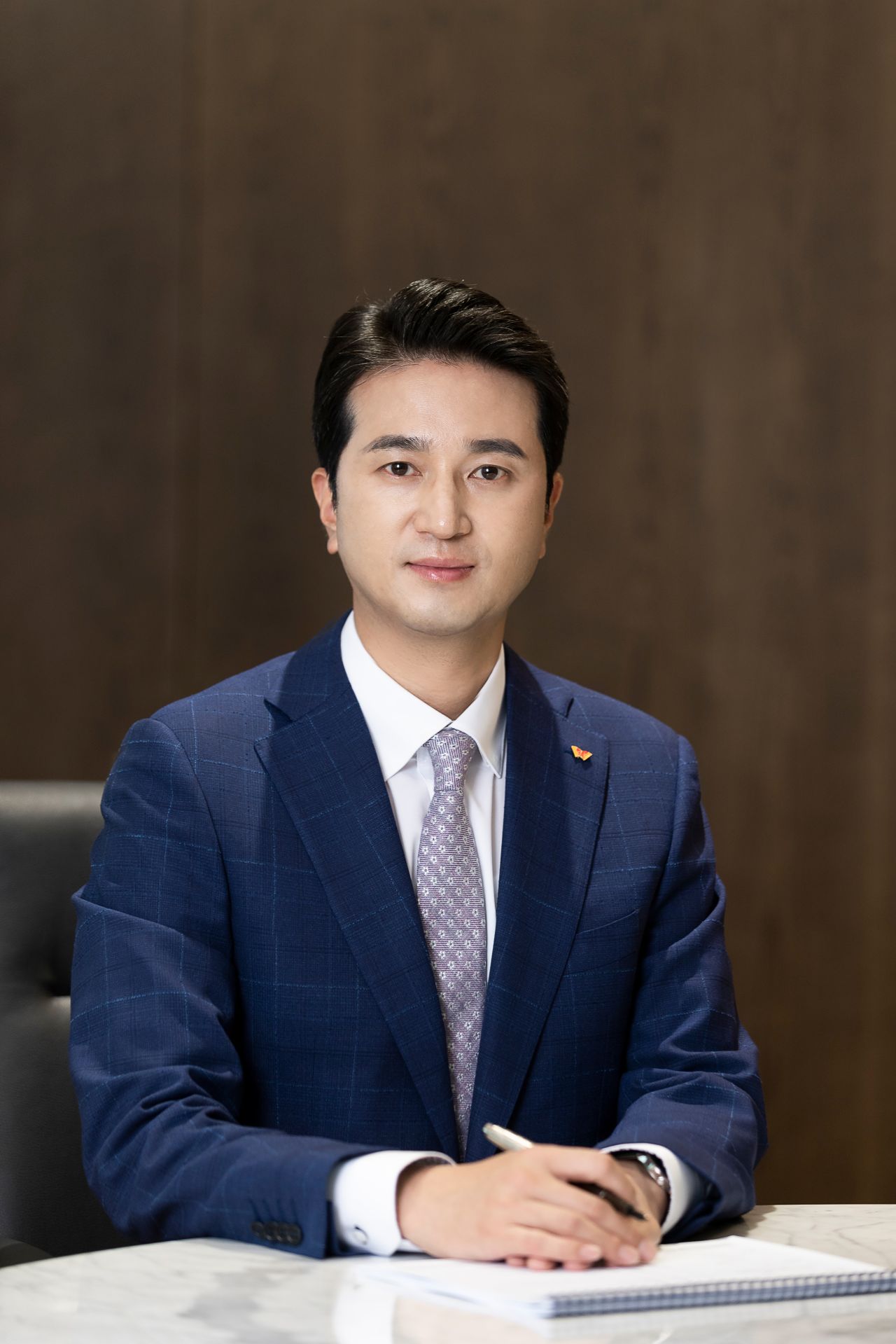
CHOO Hyeongwook
CEO and President, SK Innovation
CHOO Hyeongwook
CEO and President, SK Innovation
CHOO Hyeongwook is CEO and President of SK Innovation and a member of the Committee on the Hydrogen Economy under the Prime Minister of the Republic of Korea. Prior to his current appointment in 2025, he served as CEO and President of SK Innovation E&S and CEO and President of SK E&S. He also previously chaired the 7th Independent Power Producer Association under the Ministry of Trade, Industry and Energy (MOTIE). His leadership experience within the SK Group includes serving as Executive Vice President and Head of Investment Center 1 at SK Holdings Co., as well as holding board positions at SK E&S, SK Siltron, and SK Nexilis. He holds an MBA from Sungkyunkwan University.
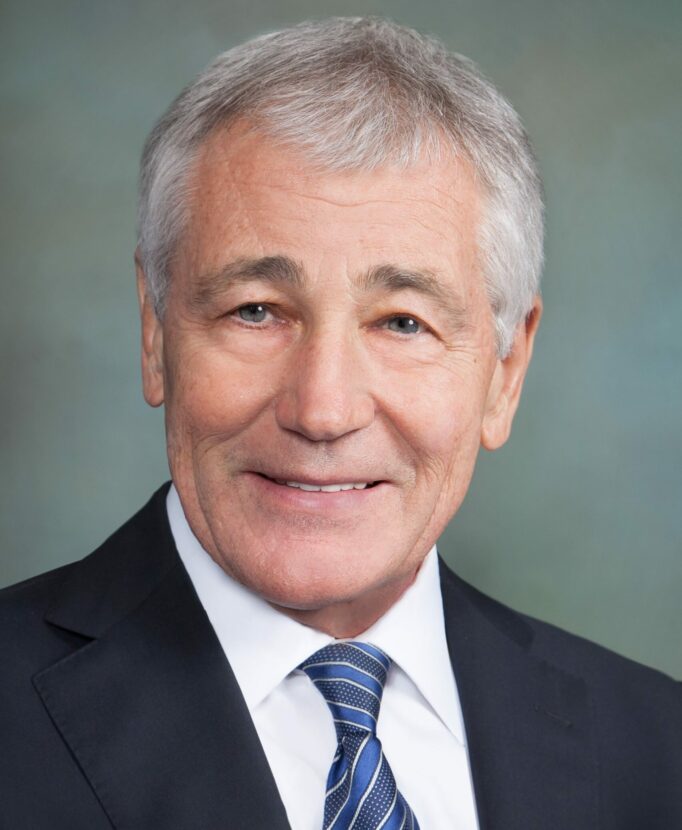
Chuck HAGEL
the 24th U.S. Secretary of Defense
Chuck HAGEL
the 24th U.S. Secretary of Defense
Chuck HAGEL served as the 24th Secretary of Defense for the United States from 2013 to 2015 and Co-Chairman of the President’s Intelligence Advisory Board from 2009 to 2013. Secretary Hagel’s current commitments include service on the Board of Trustees of RAND, Centennial Scholar at the Georgetown Walsh School of Foreign Service, Distinguished Statesman at the Atlantic Council, Chairman of the Veteran’s Justice Commission, Board of Governors of PBS, and Board of Visitors of West Point U.S. Military Academy. Secretary Hagel also served two terms in the United States Senate, representing the state of Nebraska, during which he was a senior member of the Senate Foreign Relations and Intelligence Committees. He is a graduate of the University of Nebraska at Omaha.
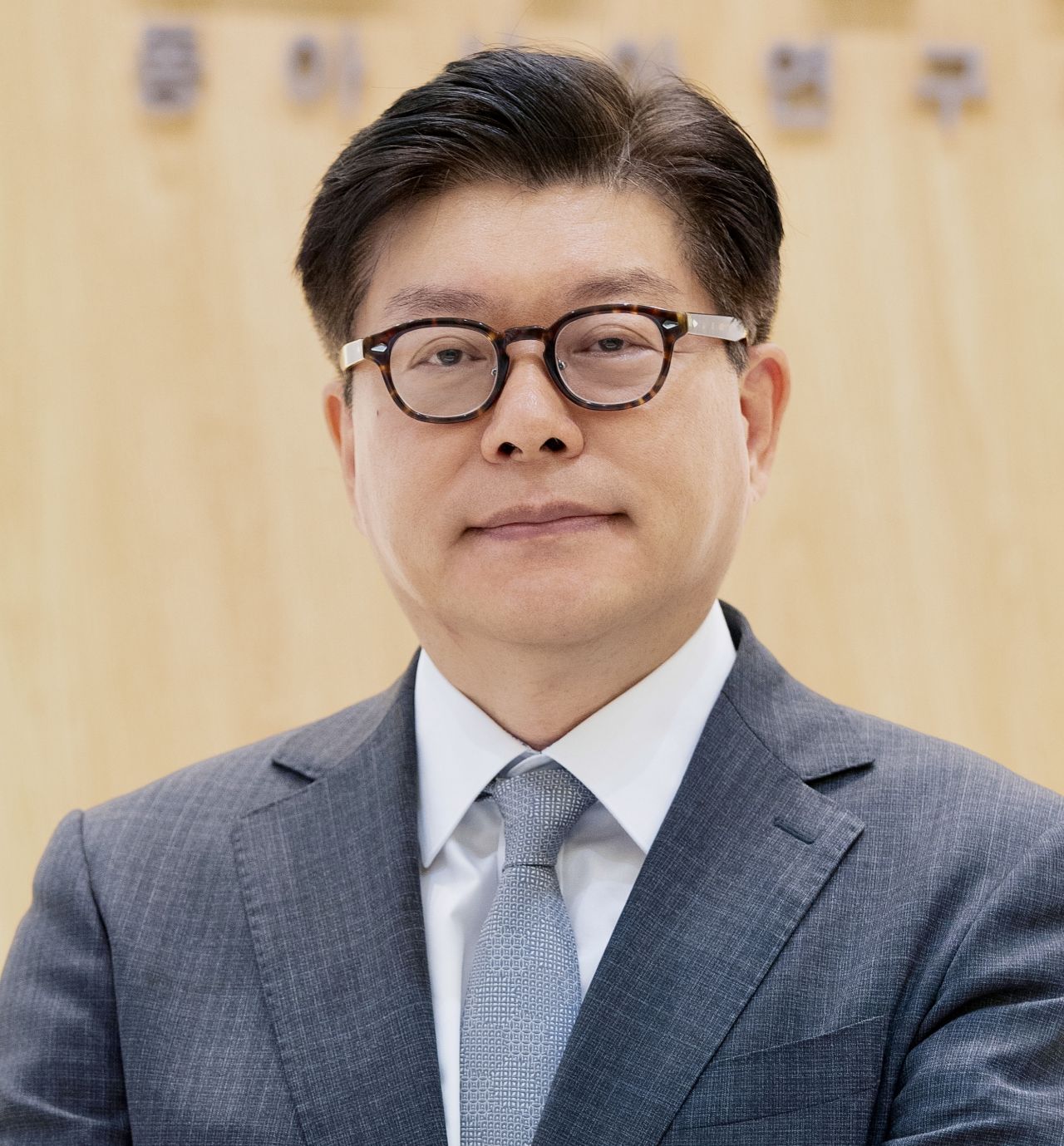
CHUN Chaesung
Professor, Seoul National University; President, East Asia Institute (EAI)
CHUN Chaesung
Professor, Seoul National University; President, East Asia Institute (EAI)
CHUN Chaesung is Professor at Seoul National University and President of the East Asia Institute (EAI). He previously served as President of the Korean Association of International Studies, Director of the Center for International Studies at Seoul National University, and Vice President of the Institute of Peace and Unification Studies at Seoul National University. He has been a visiting professor at Keio University in Tokyo and has served on advisory committees for the Ministry of Unification, Ministry of Foreign Affairs, Ministry of National Defense, and the Republic of Korea Army and Navy. He earned his Ph.D. in International Relations Theory from Northwestern University, and his B.A. and M.A. from Seoul National University.
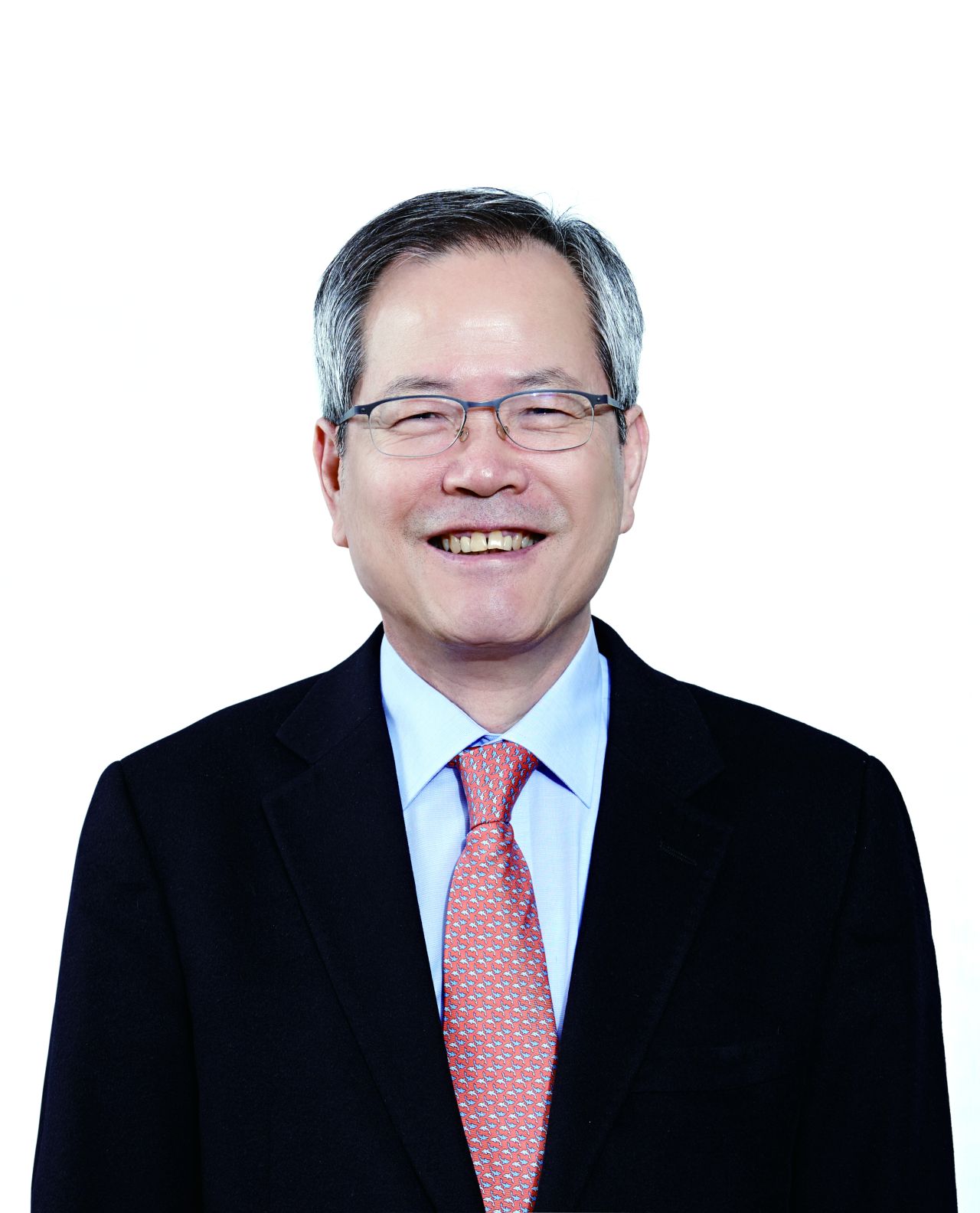
CHUN Yungwoo
Chairman and Founder, the Korean Peninsula Future Forum (KPFF)
CHUN Yungwoo
Chairman and Founder, the Korean Peninsula Future Forum (KPFF)
CHUN Yungwoo is Chairman and Founder of the Korean Peninsula Future Forum (KPFF), a think tank focused on national security issues. He is also a columnist for The Chosun Ilbo. He previously served as National Security Advisor to President Lee Myung-bak, following a 33-year diplomatic career. His senior government service includes roles as Second Vice Foreign Minister, Special Representative for Korean Peninsula Peace and Security Affairs, Head of the Republic of Korea Delegation to the Six-Party Talks, and Deputy Foreign Minister for Policy Planning and International Organizations, as well as overseas postings as Ambassador to the United Kingdom and Ambassador and Deputy Permanent Representative to the United Nations in New York. He holds an M.A. in International Affairs from Columbia University.
Coming Soon
Coming Soon
Coming Soon
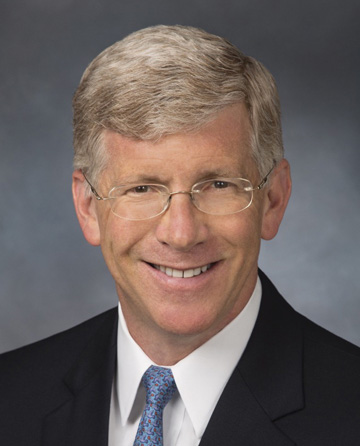
Daniel B. PONEMAN
Senior Fellow, Council on Foreign Relations; Former Deputy Secretary of Energy
Daniel B. PONEMAN
Senior Fellow, Council on Foreign Relations; Former Deputy Secretary of Energy
Daniel B. PONEMAN is Senior Fellow at the Council on Foreign Relations (CFR). From 2015 to 2023, he served as President and CEO of Centrus Energy Corp., where he launched the first U.S. production of high-assay low-enriched uranium. Previously, he served as Deputy Secretary of Energy, and as Chief Operating Officer of the U.S. Department of Energy. In prior tours in government, he served as Special Assistant to the President for Nonproliferation and Export Controls at the National Security Council. He was a Senior Fellow at the Belfer Center for Science and International Affairs at Harvard Kennedy School. He holds an M.Litt. in politics from the University of Oxford and a J.D. and an A.B. with honors from Harvard University.
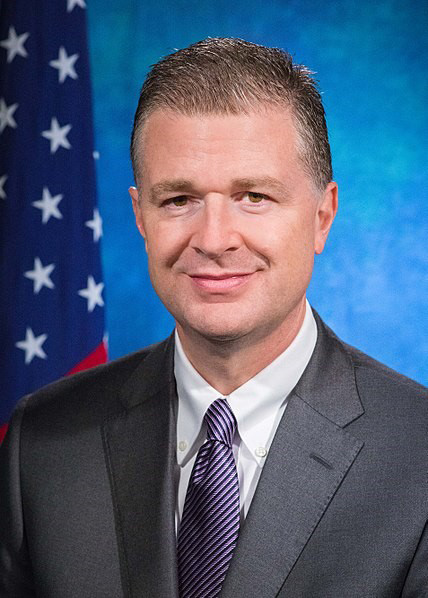
Daniel J. KRITENBRINK
Partner, The Asia Group
Daniel J. KRITENBRINK
Partner, The Asia Group
Daniel J. KRITENBRINK s a Partner at The Asia Group and a veteran U.S. diplomat with deep expertise in the Indo-Pacific. He previously served as Assistant Secretary of State for East Asian and Pacific Affairs, and as U.S. Ambassador to Vietnam. He also served as Senior Director for Asian Affairs at the National Security Council and as Deputy Chief of Mission at the U.S. Embassy in Beijing and held additional leadership roles during his three-decade Foreign Service career, including Director of the Office of Chinese and Mongolian Affairs. He received his B.A. from the University of Nebraska–Kearney and his M.A. from the University of Virginia.
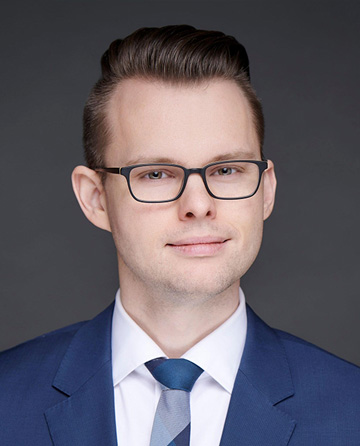
Eric BRECKENFELD
Director of Technology Policy, NVIDIA
Eric BRECKENFELD
Director of Technology Policy, NVIDIA
Eric BRECKENFELD is Director of Technology Policy at NVIDIA, leading policy efforts on semiconductor supply chains and artificial intelligence. Previously, he worked at the Semiconductor Industry Association, where he assisted with the passage and early implementation of the 2022 CHIPS and Science Act. He also served as a subject matter expert at DARPA, an AAAS Science and Technology Policy Fellow for the White House’s National Nanotechnology Initiative, and a National Research Council Fellow at the Naval Research Laboratory. He holds a Ph.D. in materials science and engineering from the University of Illinois Urbana-Champaign and a B.S. in physics from the University of Wisconsin-Madison.
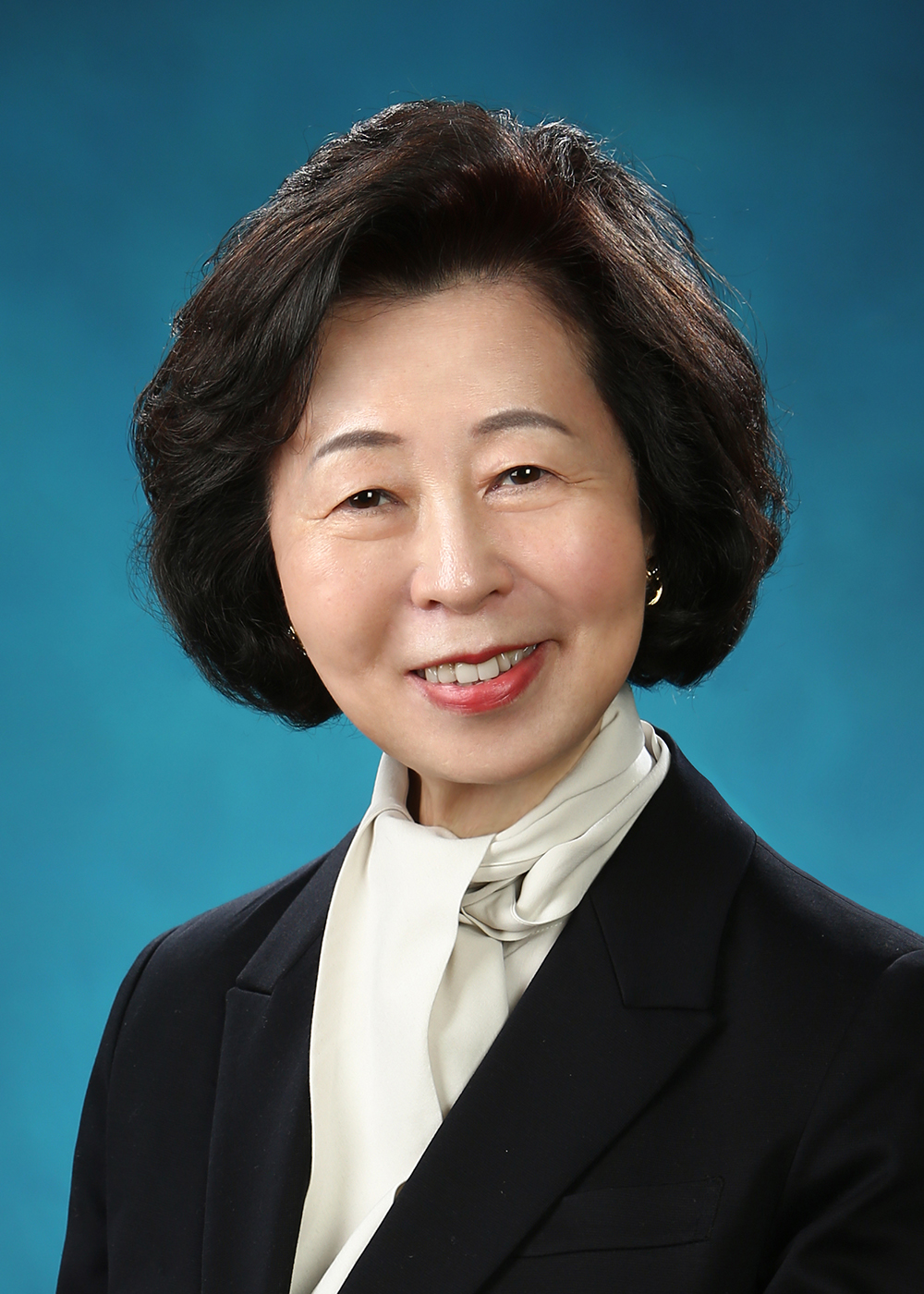
FUKAGAWA Yukiko
Professor, Waseda University
FUKAGAWA Yukiko
Professor, Waseda University
FUKAGAWA Yukiko is Professor at the School of Political Science and Economics, Waseda University. She previously worked at the Japan External Trade Organization (JETRO) and the Long-Term Credit Bank Research Institute (LTCBR) before joining the faculty of Aoyama Gakuin University and the University of Tokyo. She was a Distinguished Visiting Professor at Yonsei University in 2025. Her recent publication includes “Japan’s Economic Security Policy and the Agenda for Japan–Korea Industrial Cooperation” (2025). She earned her Ph.D. from Waseda University Graduate School of Business Studies, her M.A. in International Development Economics from Yale University, and her B.A. from Waseda University.
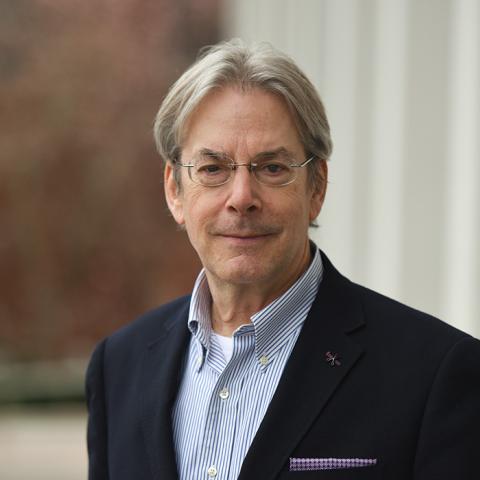
G. John IKENBERRY
Albert G. Milbank Professor of Politics and International Affairs, Princeton University
G. John IKENBERRY
Albert G. Milbank Professor of Politics and International Affairs, Princeton University
G. John IKENBERRY is the Albert G. Milbank Professor of Politics and International Affairs at Princeton University, with appointments in the Department of Politics and the Princeton School of Public and International Affairs. He is also a Global Eminence Scholar at Kyung Hee University in Seoul, Korea, and a Fellow of the American Academy of Arts and Sciences. He previously served as a Visiting Fellow at All Souls College and the 72nd Eastman Visiting Professor at Balliol College, University of Oxford. His recent books include Rethinking the 1990s: Liberal World Order Building in the Aftermath of the Cold War (Oxford, 2025); Debating Worlds: Contested Narratives of Global Modernity and World Order (Oxford, 2023); and A World Safe for Democracy: Liberal Internationalism in the Making of Modern World Order (Yale, 2020).
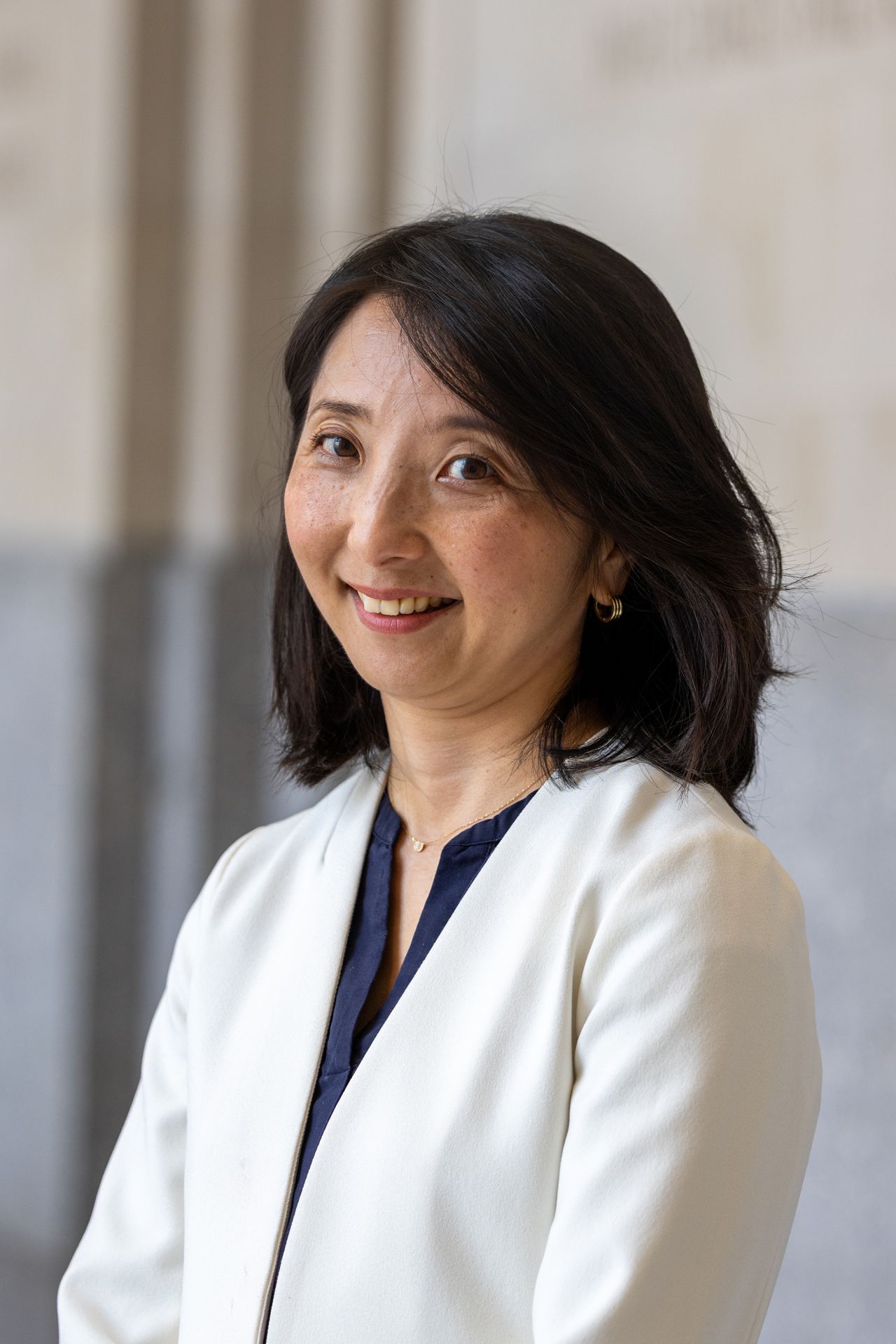
GOTO Shihoko
Vice President of Programs and Director of the Asia Program, Foreign Policy Research Institute
GOTO Shihoko
Vice President of Programs and Director of the Asia Program, Foreign Policy Research Institute
GOTO Shihoko is Vice President of Programs and Director of the Asia Program at the Foreign Policy Research Institute. Her research focuses on trade and economic interests across the Indo-Pacific, with particular emphasis on economic security in Japan, South Korea, and Taiwan. She is also a Senior Fellow for Indo-Pacific affairs at the Mansfield Foundation and an Executive Board Member of the Japan–America Society of Washington, D.C. Previously, she served as Director of the Indo-Pacific Program at the Wilson Center. She started her career as a financial journalist at Dow Jones News Service and later worked at the World Bank as a donor country relations officer. She received her M.A. in International Political Theory from the Graduate School of Political Science, Waseda University, and her B.A. in Modern History from Trinity College, University of Oxford.

HORII Akinari
Special Advisor, The Canon Institute for Global Studies
HORII Akinari
Special Advisor, The Canon Institute for Global Studies
HORII Akinari is Special Advisor and a member of the Board of Directors of the Canon Institute for Global Studies. He is also a member of Keizai Doyukai; the Trilateral Commission; and the Board of Councillors of the Institute for International Monetary Affairs. Akinari Horii was a central banker until he stepped down as Assistant Governor of the Bank of Japan in 2010, i.e., G7D and G20D of the BOJ. After he left the Bank, he was a member of the audit and supervision board at Tokio Marine Holdings; advisor to Nomura Securities; a member of the advisory board at Japan International Cooperation Agency; Deputy Chaiman of the US-Japan Foundation, et al. Mr. Horii received his MBA with distinction from the Wharton School at the University of Pennsylvania and his BA in Economics from the University of Tokyo.
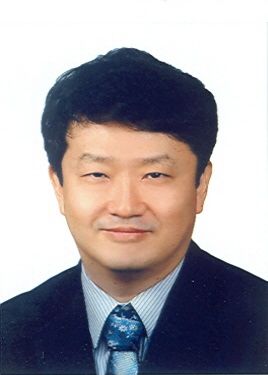
HWANG Yongsoo
Distinguished Professor, KEPCO International Nuclear Graduate School (KINGS)
HWANG Yongsoo
Distinguished Professor, KEPCO International Nuclear Graduate School (KINGS)
HWANG Yongsoo is Distinguished Professor at the KEPCO International Nuclear Graduate School (KINGS). He has more than four decades of experience in the nuclear fuel cycle, U.S.–ROK nuclear cooperation, export control and promotion, and nuclear nonproliferation and security. He previously served as President of the Korean Nuclear Material Management Society (KNMM), President of the Korea Institute of Nuclear Account and Control (KINAC), Senior Vice President of the Korea Atomic Energy Research Institute (KAERI), and Technical Advisory Member of the Nuclear Safety and Security Commission of the Republic of Korea. He also served as an Advisory Member of the IAEA Multilateral Nuclear Agreement (MNA) during the first Iranian nuclear crisis. He earned his Ph.D. and M.S. from the University of California, Berkeley.
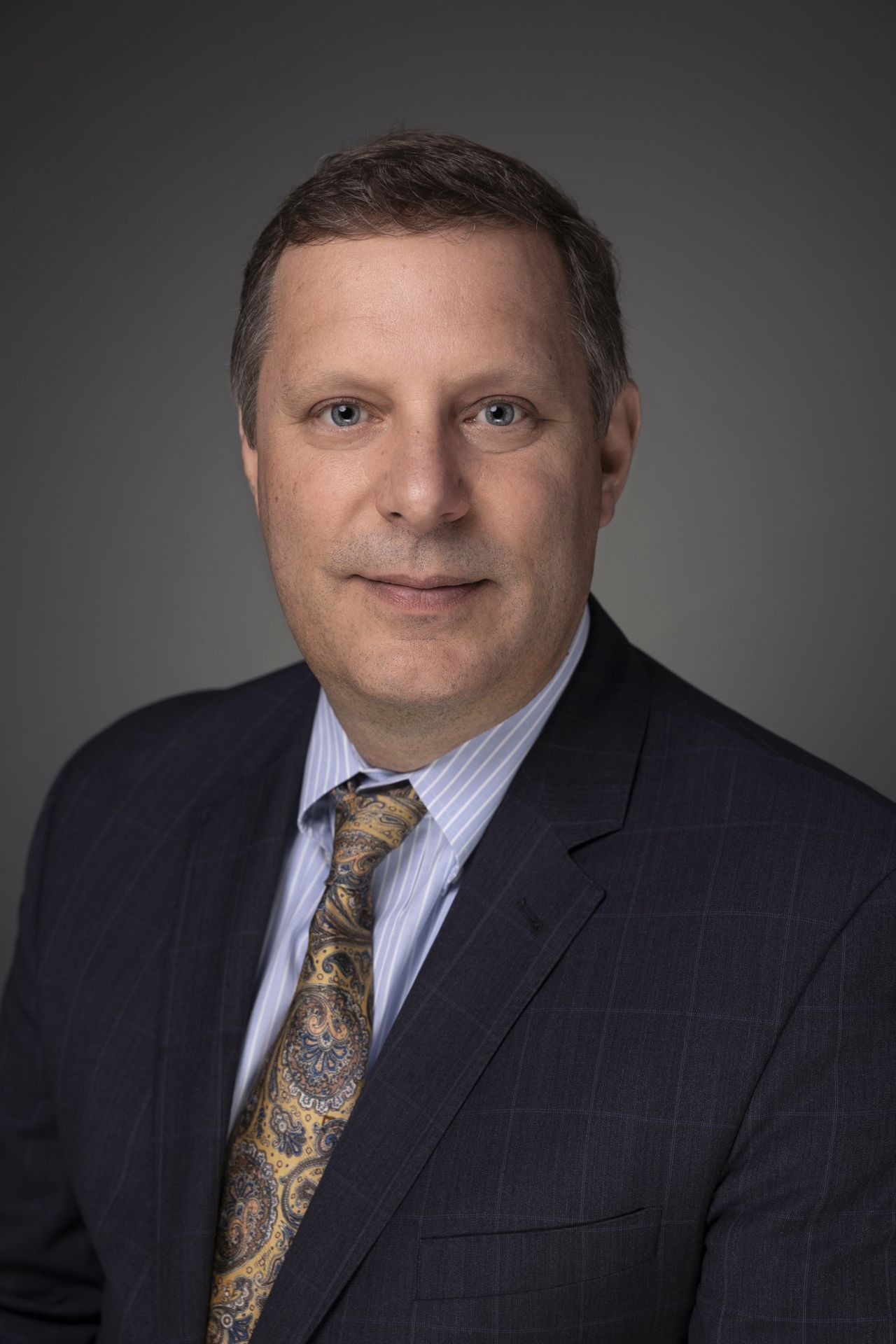
James L. SCHOFF
Sr. Director, Sasakawa Peace Foundation USA
James L. SCHOFF
Sr. Director, Sasakawa Peace Foundation USA
James L. SCHOFF is senior director of the “US-Japan NEXT Alliance Initiative” at Sasakawa Peace Foundation USA (based in Washington, DC). The Initiative mixes bilateral dialogue, research, and public-private engagement to stimulate new alliance connections across foreign, security, and technology policy areas experiencing dynamic change. Previously, Schoff was a senior fellow and director of the Japan Program at the Carnegie Endowment for International Peace for nine years, following two years as senior adviser for East Asia policy at the US Office of the Secretary of Defense. Schoff’s career spans 36 years working in the fields of business, education, government, and the non-profit sector, all related to Japan, East Asia, and the US-Japan alliance. His publications include “Updating Alliance Strategies to Sustain Nuclear Deterrence,”(Sasakawa USA, April 2025), “Allied on AI Assurance: Technology to Enhance AI Security & Safety” (Sasakawa USA, October 2024), and Uncommon Alliance for the Common Good: The United States and Japan after the Cold War Carnegie, 2017).
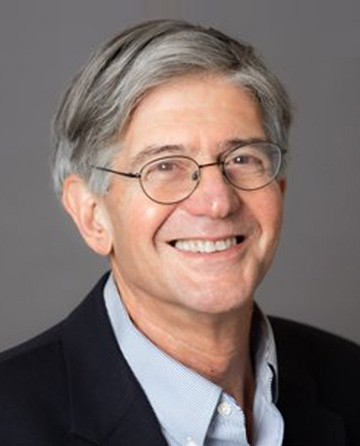
James STEINBERG
Dean of Johns Hopkins School of Advanced International Studies
James STEINBERG
Dean of Johns Hopkins School of Advanced International Studies
James STEINBERG is Dean of Johns Hopkins School of Ad- vanced International Studies. Previously, he served as Profes- sor of Social Science, International Affairs, and Law at Syra- cuse University, where he was Dean of the Maxwell School of Citizenship and Public Affairs for five years. He also served as Deputy Secretary of State to Secretary Hillary Clinton. From 2005-2008, he was Dean of the Lyndon B. Johnson School of Public Affairs at the University of Texas. He holds a J.D. from Yale Law School and an A.B. from Har- vard College.
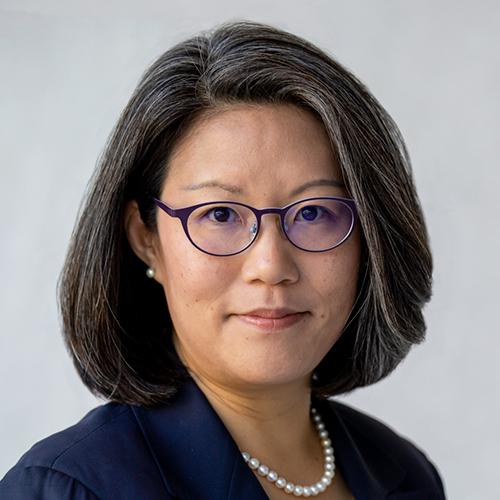
Jane NAKANO
Senior Fellow in the Energy Security and Climate Change Program, CSIS
Jane NAKANO
Senior Fellow in the Energy Security and Climate Change Program, CSIS
Jane NAKANO is Senior Fellow in the Energy Security and Climate Change Program at the Center for Strategic and International Studies (CSIS). Her research focuses on energy geopolitics—particularly natural gas/LNG, hydrogen, nuclear energy, and critical minerals—as well as energy security and transition issues in the Asia-Pacific. She has testified before the U.S. Congress on China’s competitiveness in energy technology manufacturing and exports and U.S. LNG exports, and U.S.–China nuclear energy cooperation. Prior to joining CSIS in 2010, she worked in the Office of International Affairs at the U.S. Department of Energy and served at the U.S. Embassy in Tokyo as Special Assistant to the Energy Attaché. She earned her M.A. from Columbia University’s School of International and Public Affairs and her B.A. from Georgetown University’s School of Foreign Service.
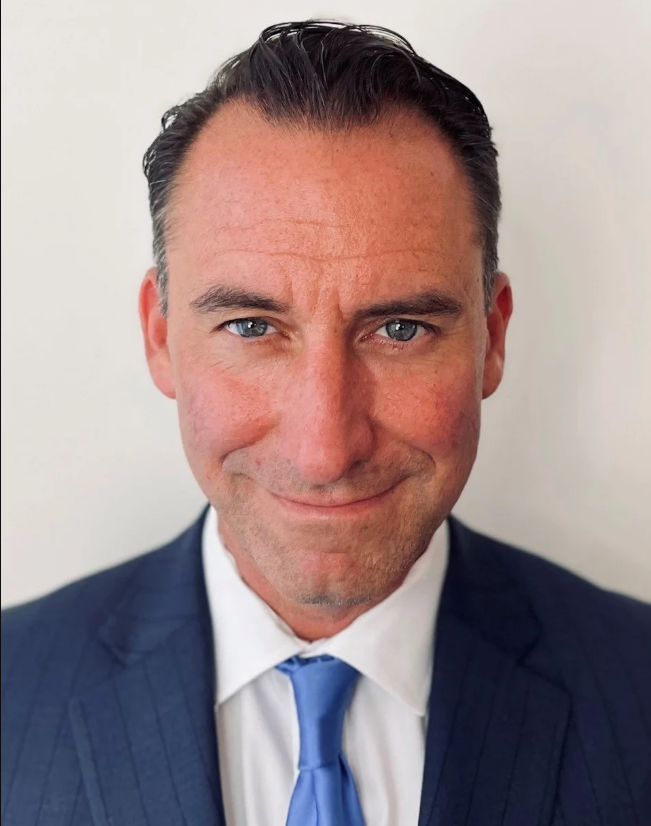
Jarrod AGEN
Deputy Assistant to the President and the Executive Director of the National Energy Dominance Council (NEDC)
Jarrod AGEN
Deputy Assistant to the President and the Executive Director of the National Energy Dominance Council (NEDC)
Jarrod AGEN is Deputy Assistant to the President and the Executive Director of the National Energy Dominance Council (NEDC). Prior to assuming this position in April 2025, he served as Vice President of Global Media and Digital Communications at Lockheed Martin. During the first Trump administration, he served as Deputy Assistant to the President and Communications Director for Vice President Mike Pence. He previously served as Chief of Staff to Governor Rick Snyder of Michigan.
Jeffrey FRANKEL
James W. Harpel Professor of Capital Formation and Growth, Harvard Kennedy School
Jeffrey FRANKEL
James W. Harpel Professor of Capital Formation and Growth, Harvard Kennedy School
Jeffrey FRANKEL is James W. Harpel Professor of Capital Formation and Growth at Harvard Kennedy School. He is a Research Associate at the National Bureau of Economic Research, where he also co-chairs the International Seminar on Macroeconomics. He previously served on the U.S. President’s Council of Economic Advisers under President Bill Clinton and was Professor of Economics at the University of California, Berkeley. His temporary appointments include the Federal Reserve System, the International Monetary Fund, the University of Michigan, Yale University, the Peterson Institute for International Economics, the NBER Business Cycle Dating Committee, and the Monetary Policy Committee of the Central Bank of Mauritius. He is a regular columnist for Project Syndicate and holds a Ph.D. in Economics from the Massachusetts Institute of Technology.
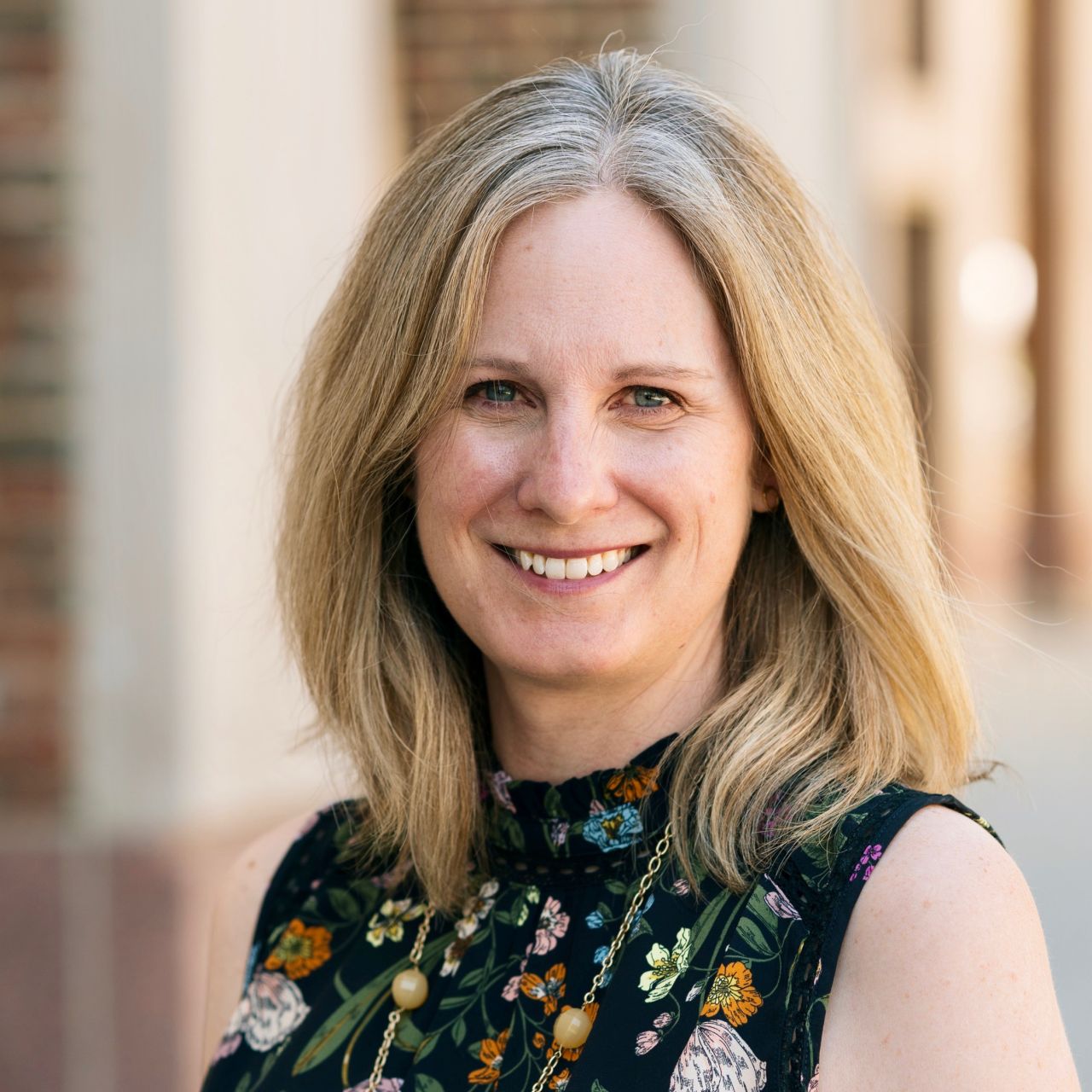
Jennifer M. LIND
Associate Professor of Government, Dartmouth College
Jennifer M. LIND
Associate Professor of Government, Dartmouth College
Jennifer M. LIND is Associate Professor of Government at Dartmouth College, a Faculty Associate at Harvard University’s Reischauer Institute for Japanese Studies, and a Research Associate at Chatham House. She also founded and serves as Editor-in-Chief of Blue Blaze, a multi-author Substack on international relations and foreign policy. She is the author of Autocracy 2.0: How China’s Rise Reinvented Tyranny (Cornell University Press, 2025) and Sorry States: Apologies in International Politics (Cornell University Press, 2008). She holds a Ph.D. in Political Science from the Massachusetts Institute of Technology, an M.P.I.A. from the University of California, San Diego, and a B.A. from the University of California.
JIMBO Ken
Professor, Keio University; Managing Director of Programs at the International House of Japan (IHJ/I-House)
JIMBO Ken
Professor, Keio University; Managing Director of Programs at the International House of Japan (IHJ/I-House)
JIMBO Ken is Professor of International Relations at Keio University and Managing Director of Programs at the International House of Japan (IHJ/I-House). He also serves as an adjunct Senior Research Fellow at the Canon Institute for Global Studies (CIGS). He previously served as Special Advisor to the Minister of Defense and Senior Advisor to Japan’s National Security Secretariat. His research focuses on international security, Japan–U.S. security relations, and Japan’s foreign and defense policy, and his policy writings have appeared in RAND Corporation, NBR, the Stimson Center, Pacific Forum CSIS, The Japan Times, Nikkei, Yomiuri, Asahi, and Sankei Shimbun.
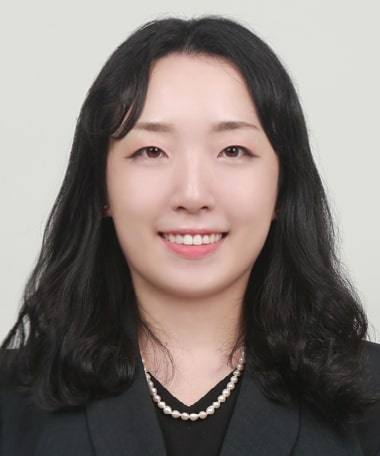
JO Bee Yun
Research Fellow at the Center for Security Strategy, Sejong Institute
JO Bee Yun
Research Fellow at the Center for Security Strategy, Sejong Institute
JO Bee Yun is Research Fellow at the Center for Security Strategy, Sejong Institute, and also serves as Nonresident Senior Fellow at the Atlantic Council, Visiting Research Scholar at Sandia National Laboratories, and Adjunct Professor at Yonsei University Graduate School of Engineering. She previously served as Associate Research Fellow in the Nuclear Security/Defense Strategy Division at the Korea Institute for Defense Analyses, Research Professor at Seoul National University, and Lecturer at Yonsei University. Her research focuses on U.S. extended deterrence and nuclear strategy. Her most recent publication includes “Further Enhancing U.S. Extended Deterrence for South Korea” (The Washington Quarterly, 2025). She is a Member of the Advisory Committee of MND and MOFA.
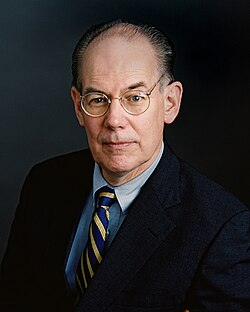
John J. MEARSHEIMER
R. Wendell Harrison Distinguished Service Professor and Co-Director of the Program on International Security Policy, University of Chicago
John J. MEARSHEIMER
R. Wendell Harrison Distinguished Service Professor and Co-Director of the Program on International Security Policy, University of Chicago
John J. MEARSHEIMER is the R. Wendell Harrison Distinguished Service Professor of Political Science and Co-Director of the Program on International Security Policy at the University of Chicago. In 2020, he won the James Madison Award. He has written extensively about security issues and international politics. Among his seven books, The Tragedy of Great Power Politics won the Joseph Lepgold Book Prize and The Israel Lobby and U.S. Foreign Policy with Stephen M. Walt made the New York Times bestseller list. He holds a Ph.D. in political science from Cornell University and is a graduate of West Point.
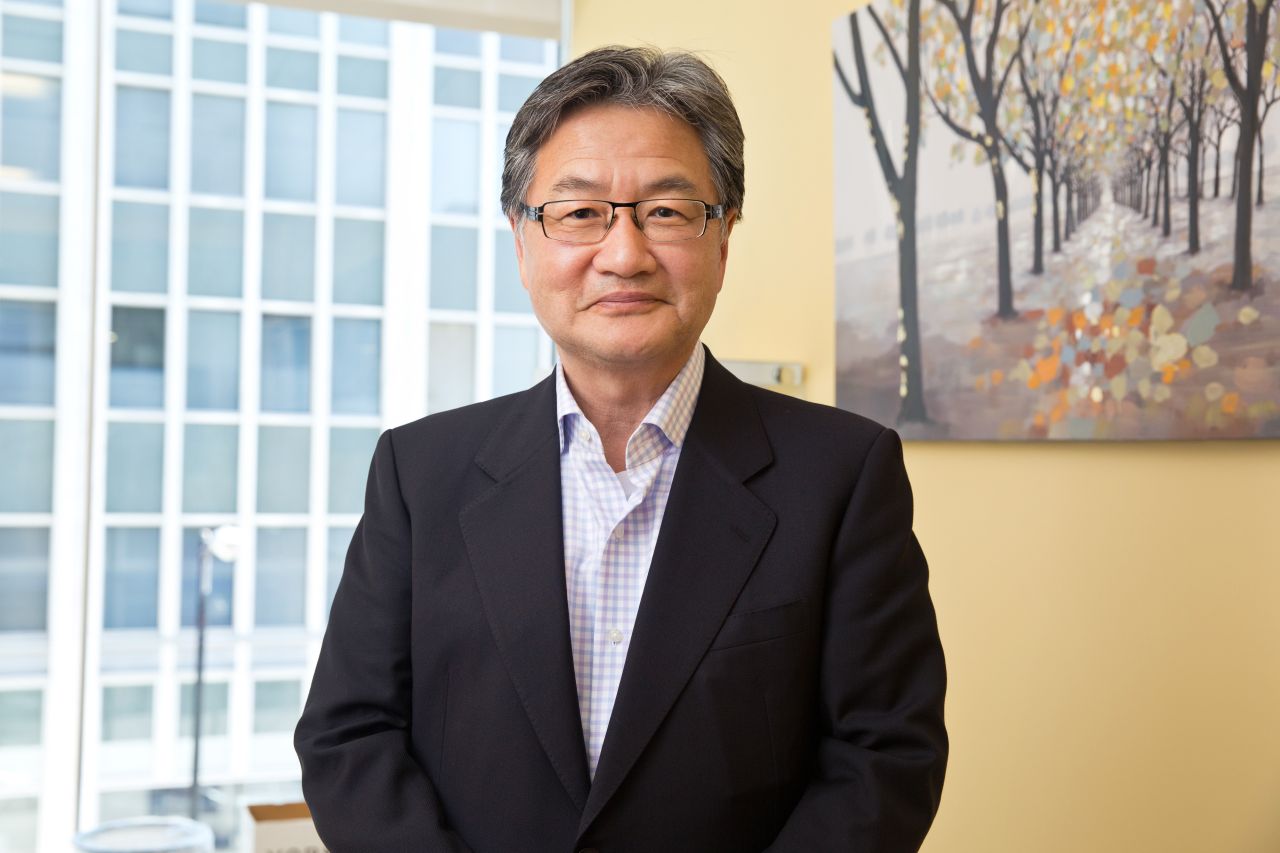
Joseph YUN
Former Chargé d’Affaires to the Republic of Korea; Former U.S. Ambassador to Malaysia
Joseph YUN
Former Chargé d’Affaires to the Republic of Korea; Former U.S. Ambassador to Malaysia
Joseph YUN is a career U.S. diplomat with 35 years of service, most recently recalled to serve as Chargé d’Affaires to the Republic of Korea from January to October 2025. He previously served as U.S. Special Presidential Envoy for Compact Negotiations, U.S. Special Representative for North Korea Policy, U.S. Ambassador to Malaysia, and Principal Deputy Assistant Secretary in the State Department’s Bureau of East Asian and Pacific Affairs. Following his diplomatic career, he has worked as a Senior Advisor at The Asia Group and the U.S. Institute of Peace, and as a Global Affairs Commentator for CNN. He holds an M.Phil. from the London School of Economics and a B.S. from the University of Wales.
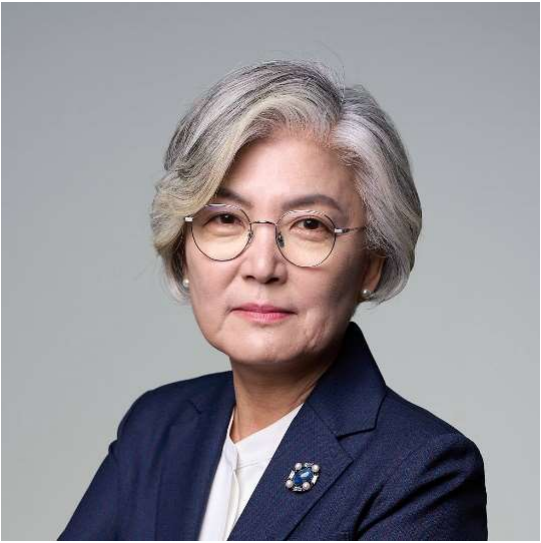
KANG Kyung-wha
Korean Ambassador to the U.S
KANG Kyung-wha
Korean Ambassador to the U.S
KANG Kyung-wha is Korean Ambassador to the U.S., a position she assumed in October 2025. She previously served as Korea’s first female Minister of Foreign Affairs from 2017 to 2021 under President Moon Jae-in, and as President and Chief Executive Officer of the Asia Society in New York from 2024 to 2025. Her distinguished United Nations career includes serving as Senior Advisor on Policy to the 9th Secretary-General, Assistant Secretary-General and Deputy Emergency Relief Coordinator at the UN Office for the Coordination of Humanitarian Affairs (OCHA), and Deputy High Commissioner at the Office of the High Commissioner for Human Rights (OHCHR). She also served as Director-General for International Organizations at Korea’s Ministry of Foreign Affairs and Trade. She holds a Ph.D. and M.A. in International/Intercultural Communication from the University of Massachusetts Amherst and a B.A. in Political Science and International Studies from Yonsei University.
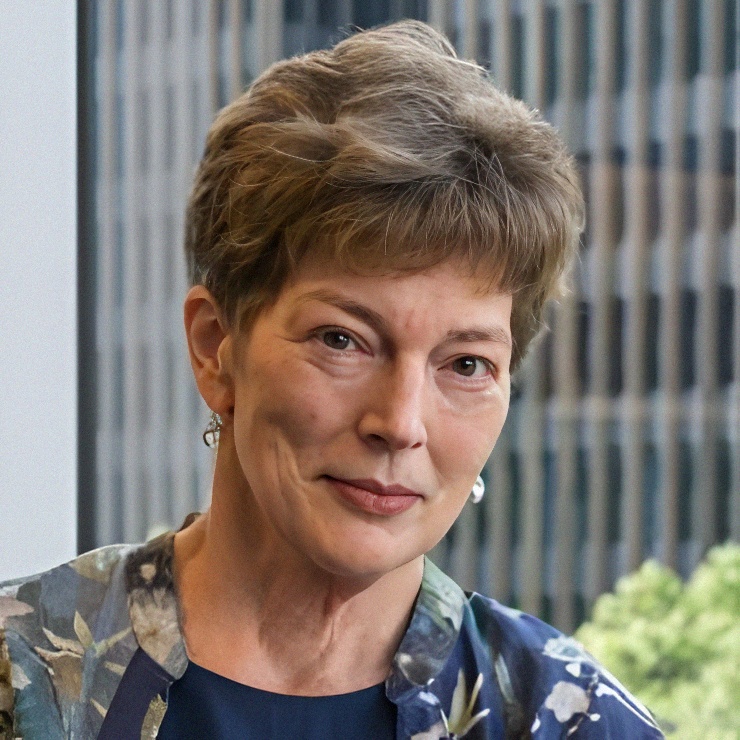
Kathleen STEPHENS
Chair, The Korea Society; Former U.S. Ambassador to the Republic of Korea
Kathleen STEPHENS
Chair, The Korea Society; Former U.S. Ambassador to the Republic of Korea
Kathleen STEPHENS is Ambassador (ret) and Chair of The Korea Society. She was a career diplomat in the United States Foreign Service from 1978 to 2015 and served as U.S. Ambassador to the Republic of Korea from 2008 to 2011. She also served in policy positions at the U.S. State Department and the White House, including Acting Under Secretary of State for Public Diplomacy and Public Affairs and Principal Deputy Assistant Secretary of State for East Asian and Pacific Affairs. She was President and CEO of the Korea Economic Institute of America from 2018 to 2023. She holds a B.A. from Prescott College and a Master’s degree from Harvard University’s Kennedy School.
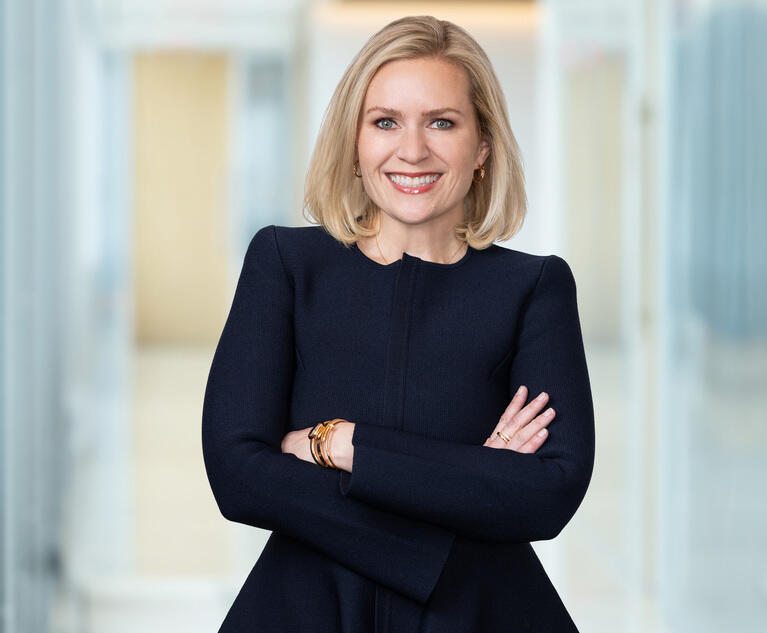
Kelly Ann SHAW
Partner, Akin Gump
Kelly Ann SHAW
Partner, Akin Gump
Kelly Ann SHAW is Partner at Akin Gump and Senior Adviser at the Center for Strategic and International Studies (CSIS). A leading expert on international trade, global economics, and national security, she previously served as Deputy Assistant to the President for International Economic Affairs and Deputy Director of the National Economic Council, where she led U.S. international economic policy and served as U.S. Sherpa for the G7, G20, and APEC, playing a key role in the U.S.-China Phase One Agreement and the USMCA. Earlier, she served as Trade Counsel to the U.S. House Ways and Means Committee and as Assistant General Counsel at the Office of the U.S. Trade Representative, representing the United States in over 40 WTO disputes. She also teaches as an Adjunct Professor at Columbia Law School. She holds a J.D. from Columbia Law School, an M.Sc. from the London School of Economics, and a B.A. from the University of Washington.
KIHARA Shinichi
Director-General for Energy and Environmental Policy at Japan’s Ministry of Economy, Trade and Industry (METI)
KIHARA Shinichi
Director-General for Energy and Environmental Policy at Japan’s Ministry of Economy, Trade and Industry (METI)
KIHARA Shinichi is Director-General for Energy and Environmental Policy at Japan’s Ministry of Economy, Trade and Industry (METI). A specialist in international energy and climate policy, he previously served as Deputy Director-General for Environmental Affairs, leading the G7 Ministers’ Meeting on Climate, Energy and Environment in Sapporo, and as Deputy Commissioner for International Affairs at the Agency for Natural Resources and Energy. He also served as Senior Energy Analyst at the International Energy Agency in Paris, contributing to the World Energy Outlook. Since joining METI in 1993, he has held senior posts across trade and international policy divisions, including Director for the Policy Planning and Coordination Division of the Trade Policy Bureau. He holds an MBA from Cornell University and a B.A. in Economics from the University of Tokyo.
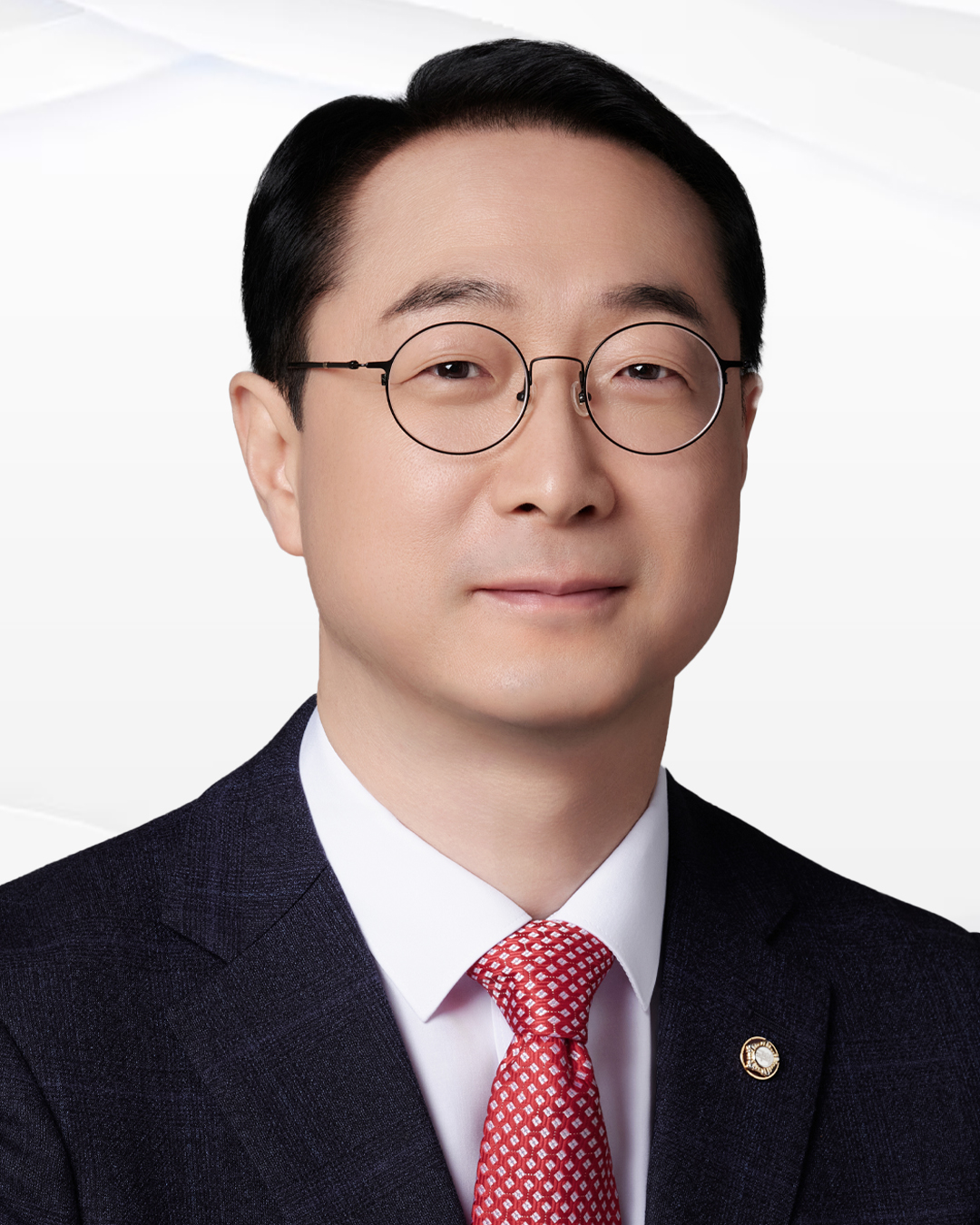
KIM Gunn
Member of the National Assembly of the Republic of Korea, People Power Party
KIM Gunn
Member of the National Assembly of the Republic of Korea, People Power Party
KIM Gunn is a member of the 22nd National Assembly, representing the People Power Party. He serves as the Ranking Member of the National Assembly Foreign Affairs and Unification Committee. Previously, he served as Head of the Korean Peninsula Peace Negotiation Headquarters, Deputy Minister for Political Affairs at the Ministry of Foreign Affairs, Ambassador to the United Kingdom, and Ambassador for International Security Affairs. He has also held key roles in North Korean nuclear diplomacy and North American affairs. He holds an M.A. in Political Science from the State University of New York at Buffalo and a B.A. in Political Science from Seoul National University.
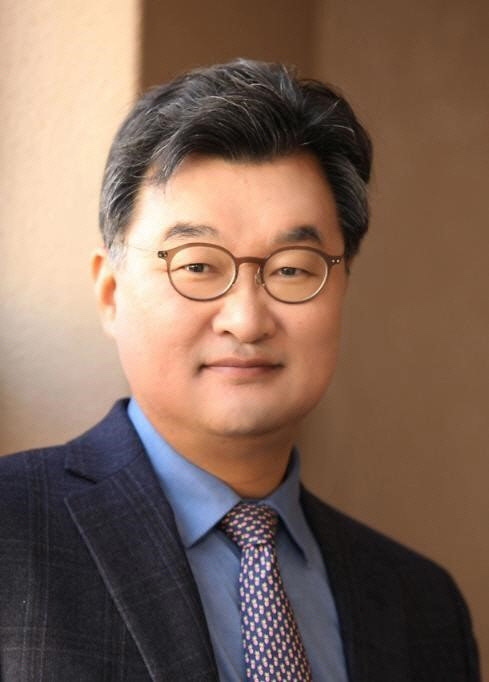
KIM Heungkyu
Professor, Ajou University
KIM Heungkyu
Professor, Ajou University
KIM Heungkyu is Professor at Ajou University and Chairman of the Board of the Plaza Project, a think tank registered under the Secretariat of the National Assembly. His research interests and expertise encompass China–U.S. relations, Chinese foreign policy and security, Northeast Asian international relations, and South Korean foreign policy. He actively contributes to national strategy as a policy advisor to the Prime Minister and the Ministry of National Defense. He holds a Ph.D. in Political Science from the University of Michigan.
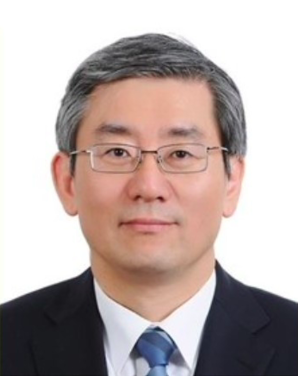
KIM Hyoung Zhin
Visiting Researcher, the Institute for Future Strategy of Seoul National University
KIM Hyoung Zhin
Visiting Researcher, the Institute for Future Strategy of Seoul National University
KIM Hyoung Zhin is Visiting Researcher at the Institute for Future Strategy of Seoul National University and Senior Policy Advisor at the Korea Institute of Nuclear Nonproliferation and Control. He retired from the Korean government in May 2022 after 38 years of service, with his last position as Deputy National Security Advisor to the President. He served as Ambassador to the EU, NATO, Belgium, and Luxembourg and held overseas assignments in Washington, D.C., Accra, Beijing, and Brussels. He completed his Ph.D. coursework in the Global Governance Program at the National Graduate Institute for Policy Studies in Tokyo and holds an M.A. in public affairs from Princeton University, and a B.A. in economics from Seoul National University.
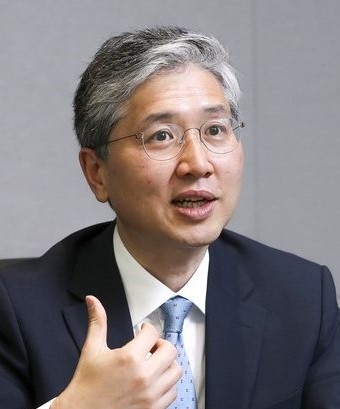
KIM Jungsup
Senior Research Fellow, Sejong Institute
KIM Jungsup
Senior Research Fellow, Sejong Institute
KIM Jungsup is a Senior Research Fellow at the Sejong Institute. His research focuses on the U.S.–ROK alliance, North Korea’s nuclear issues, and the geopolitics of Northeast Asia. Prior to joining the Sejong Institute, he served in various senior positions at the Ministry of National Defense of the Republic of Korea, where he was responsible for security strategy, budget planning, and organizational affairs, eventually retiring as Deputy Minister for Planning and Coordination. He holds a Ph.D. in International Relations from the University of Oxford and a B.A. in Political Science from Seoul National University.
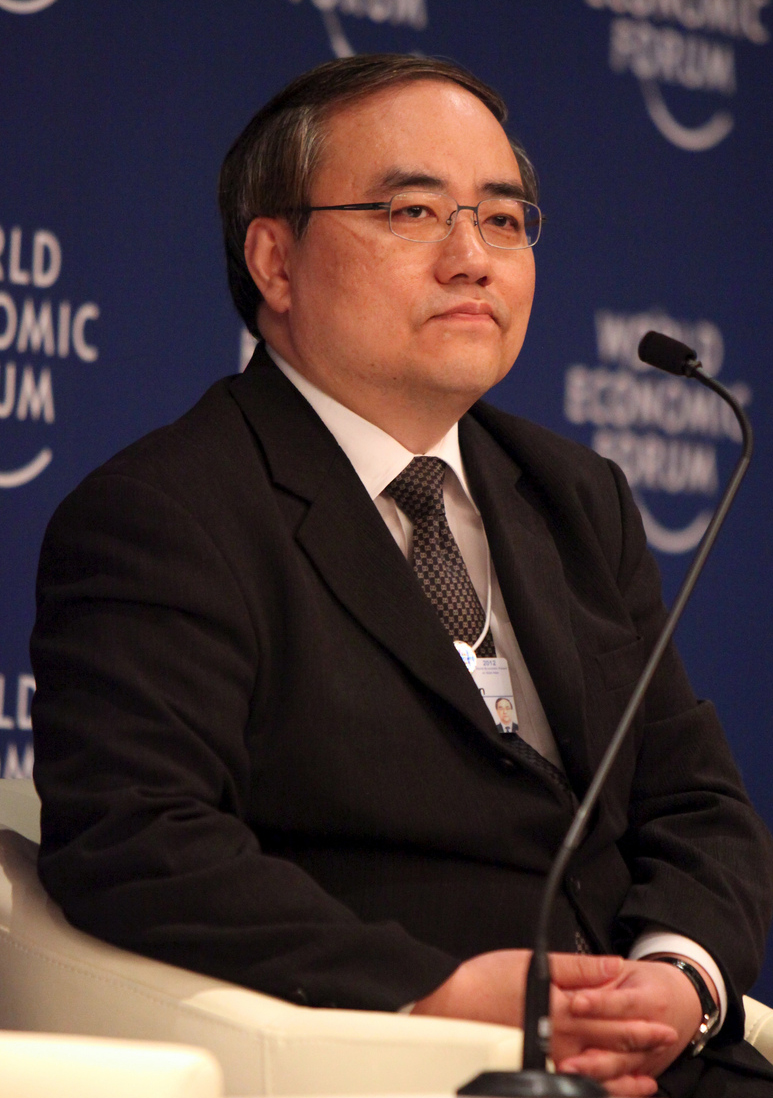
KIM Sung-han
Professor of International Relations, Graduate School of International Studies (GSIS) at Korea University
KIM Sung-han
Professor of International Relations, Graduate School of International Studies (GSIS) at Korea University
KIM Sung-han is Professor of International Relations at the Graduate School of International Studies (GSIS) at Korea University. Professor Kim has held key positions in government, including National Security Advisor and Vice Minister of Foreign Affairs and Trade. He chaired the World Economic Forum’s Global Agenda Council on Weapon of Mass Destruction and served as Director of the Ilmin International Relations Institute. Earlier in his career, he was a professor at the Institute of Foreign Affairs and National Security (IFANS) within the Ministry of Foreign Affairs and Trade. He holds a Ph.D. in Political Science from the University of Texas at Austin.

KIM Yoon
President & CSO, TwelveLabs
KIM Yoon
President & CSO, TwelveLabs
KIM Yoon is President and Chief Strategy Officer of TwelveLabs, an AI startup based in San Francisco and Seoul building foundation models for video understanding. Prior to this role, he was a Partner at Saehan Ventures, responsible for global investment of deep tech startups in AI and the metaverse. Before his role at Saehan Ventures, he served as CTO at SK Telecom, leading R&D and innovations in AI and 5G for hyperconnected intelligence applications in security, data analytics, media, cloud, and new mobility. He holds a Ph.D. in electrical engineering from Stanford University and a B.S. from Korea Advanced Institute of Science and Technology.
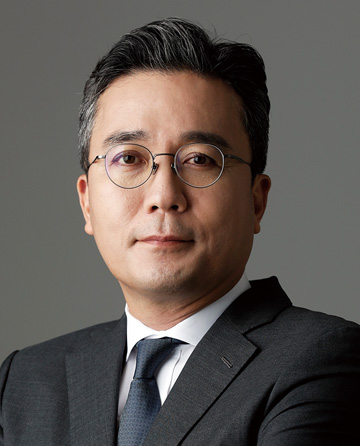
KIM Yoosuk
President, Chey Institute for Advanced Studies
KIM Yoosuk
President, Chey Institute for Advanced Studies
KIM Yoosuk is President of the Chey Institute for Advanced Studies and the Korea Foundation for Advanced Studies, and also serves as Executive Vice President of SK Inc. Previously, he held senior leadership roles across the SK Group, including CFO at SK On, Head of Battery Marketing at SK Innovation, Head of Planning & Strategy at SK Energy, and Head of Planning at SK China. He also served as Director responsible for LNG and renewable energy at BP and worked as a management consultant at McKinsey & Company. Earlier in his career, he served as a diplomat in the Ministry of Foreign Affairs, including roles in the Foreign Policy Division and the Protocol Division of the Office of the President. He earned a B.A. in Philosophy from Seoul National University and an M.B.A. from Yale University.
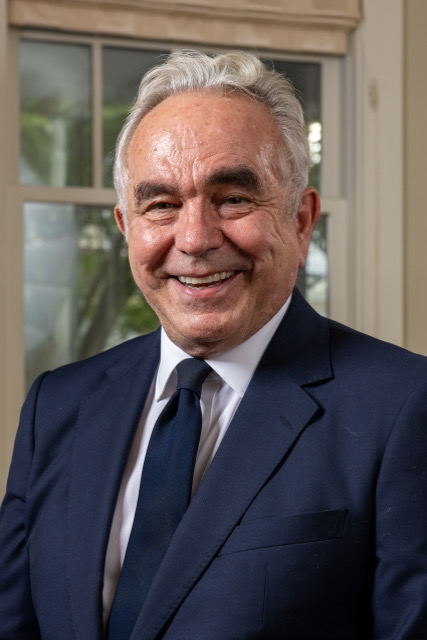
Kurt CAMPBELL
Chairman and Co-founder, The Asia Group
Kurt CAMPBELL
Chairman and Co-founder, The Asia Group
Kurt CAMPBELL is Chairman and Co-founder of The Asia Group, a strategic advisory and capital management group. He is also a Distinguished Visiting Professor at Georgetown University. Previously, he was confirmed by the Senate and sworn in as the 22nd Deputy Secretary of State in 2024. Prior to his role as Deputy Secretary, Campbell served as Deputy Assistant to the President and Coordinator for Indo-Pacific Affairs at the NSC, and Assistant Secretary of State for East Asian and Pacific Affairs. He is a former CEO and Co-Founder of the Center for a New American Society and concurrently served as the Director of the Aspen Strategy Group and Chairman of the Editorial Board of The Washington Quarterly. He received his Ph.D. in international relations from Brasenose College at Oxford University and B.A. from the University of California, San Diego.
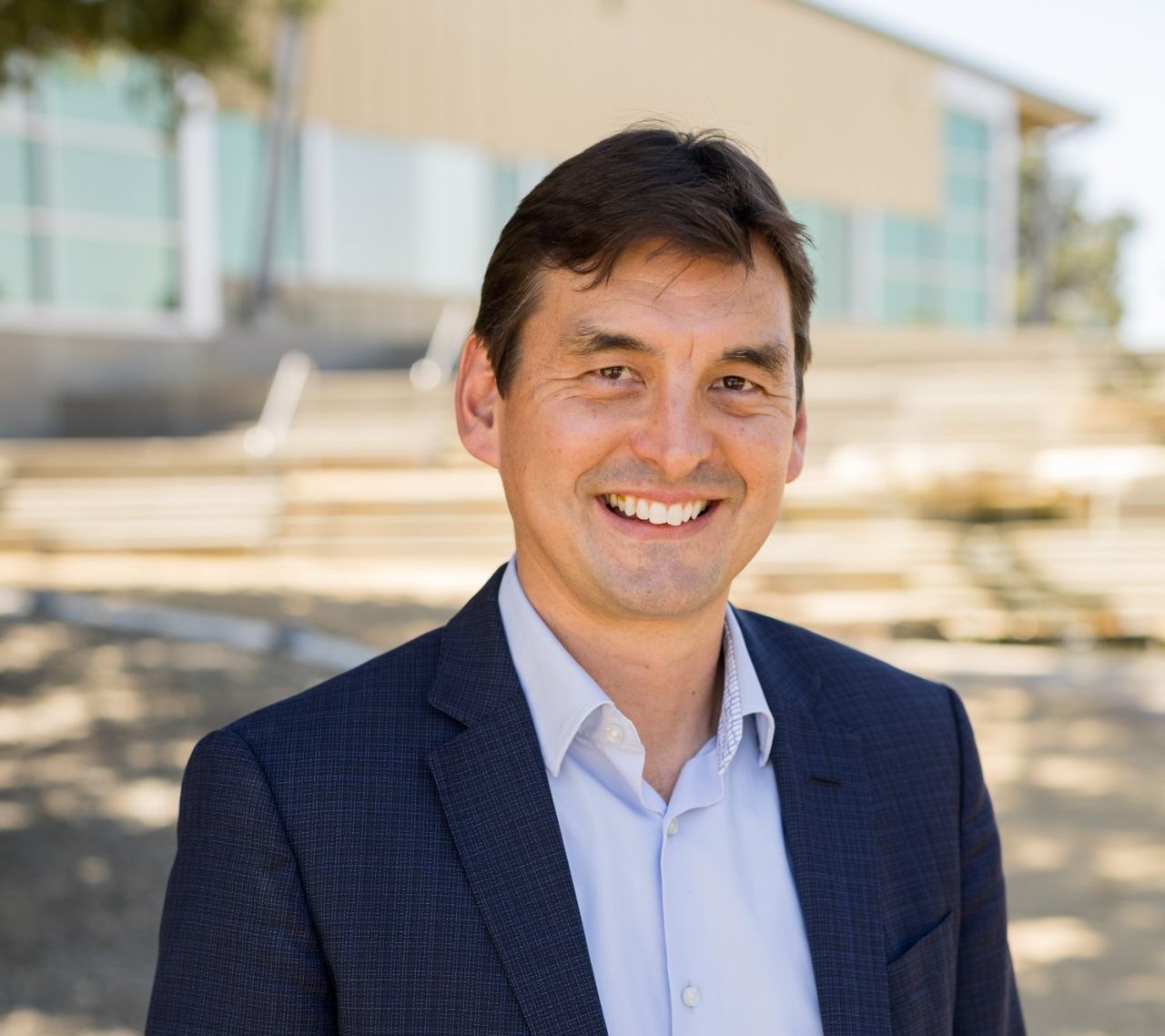
KUSHIDA Kenji
Senior Fellow, the Carnegie Endowment for International Peace (CEIP) Asia Program
KUSHIDA Kenji
Senior Fellow, the Carnegie Endowment for International Peace (CEIP) Asia Program
KUSHIDA Kenji is Senior Fellow at the Carnegie Endowment for International Peace (CEIP) Asia Program and serves as Senior Advisor to Macro Advisory Partners and International Research Fellow at the Canon Institute for Global Studies (CIGS). Previously, he was a Research Scholar at Stanford University’s Shorenstein Asia-Pacific Research Center (APARC), an Adjunct Lecturer at Stanford University, and a nonresident Senior Fellow at the Tokyo Institute for Policy Studies (TIPS). His research focuses on information technology innovation, Silicon Valley’s innovation ecosystem, Japan’s political-economic transformation, startups, and the Fukushima nuclear disaster. His publications include the Carnegie series “Startup Japan” and “Silicon Valley Revisited.” He earned his Ph.D. from the University of California, Berkeley, and his M.A. and B.A. degrees from Stanford University.
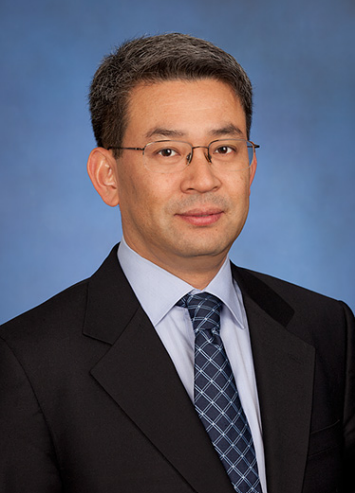
KWON Goohoon
Senior Asia Economist, Goldman Sachs
KWON Goohoon
Senior Asia Economist, Goldman Sachs
KWON Goohoon is Senior Asia Economist covering Korea, Taiwan, and Vietnam, as well as key regional economic themes. He joined Goldman Sachs in 2007 as Executive Director and was named Managing Director in 2010. Prior to joining Goldman Sachs, he worked at the International Monetary Fund (IMF), serving as IMF Resident Representative in Ukraine and Russia, and as Senior Economist and Strategist at ABN AMRO in London, covering Turkey, Russia, and Kazakhstan. Earlier, he worked on economic reform projects in Russia with the Harvard Institute for International Development. He also served as Non-Executive Chairman of the Presidential Committee on Northern Economic Cooperation of the Republic of Korea. He earned his Ph.D. in Economics from Harvard University and his B.A. in Economics from Seoul National University. He is a CFA charterholder.
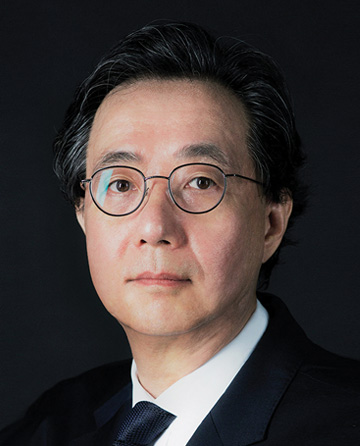
LEE Chung Min
Senior Fellow, Carnegie Endowment for International Peace
LEE Chung Min
Senior Fellow, Carnegie Endowment for International Peace
LEE Chung Min is Senior Fellow at Carnegie Endowment for International Peace. Until recently, he was a University Profes- sor at Korea Advanced Institute for Science and Technology. He is also Chairman of the International Advisory Council of IISS. He has worked at leading think tanks and universities in the U.S., Korea, Japan, and Singapore. He also served as ROK Ambassador for National Security Affairs and Ambassador for International Se- curity Affairs. He holds a Ph.D. and an MALD from the Fletcher School of Law and Diplomacy and his B.A. in political science from Yonsei University.
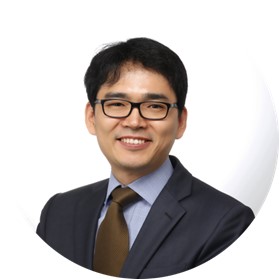
LIM Seungyeol
Senior Vice President, KHNP
LIM Seungyeol
Senior Vice President, KHNP
LIM Seungyeol is Senior Vice President of the Overseas Business Development Department at Korea Hydro & Nuclear Power Co., Ltd. (KHNP). Since 2018, he has spearheaded South Korea’s major international nuclear projects, overseeing the entire lifecycle of initiatives in Egypt, the Czech Republic, and Romania. Mr. Lim played a decisive role in successfully securing and finalizing the contracts for the Cernavoda Unit 1 Refurbishment and Refueling project and the Tritium Removal Facility (TRF) in Romania, as well as the Turbine Island construction for the El Dabaa project in Egypt. In the Romanian market, he orchestrated a key strategic partnership with Candu Energy, strengthening industrial ties with North American entities. Furthermore, he leads KHNP’s strategic investment and technological cooperation with TerraPower in collaboration with SK Group, focusing on the deployment of Generation IV advanced reactors. Previously, he served as Vice President of the Global Business Strategy Division (2018) and Head of the Overseas Business Department (2020), where he was instrumental in fostering the global nuclear ecosystem.
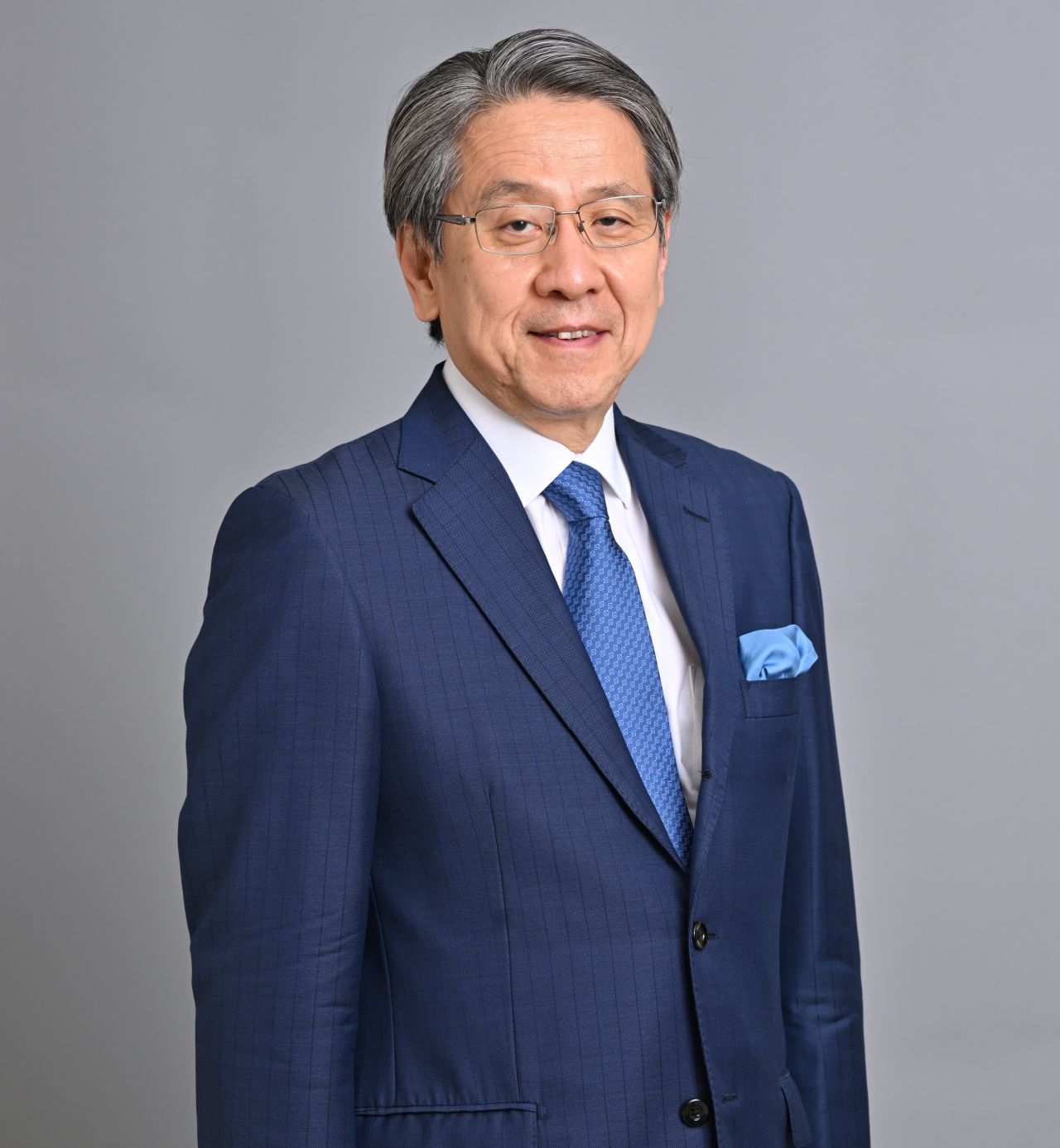
MAEDA Tadashi
Chairman of the Board, Japan Bank for International Cooperation (JBIC)
MAEDA Tadashi
Chairman of the Board, Japan Bank for International Cooperation (JBIC)
MAEDA Tadashi is a senior executive at the Japan Bank for International Cooperation (JBIC), where he has held a range of leadership positions, including Director-General of the Energy and Natural Resources Finance Department, Managing Executive Officer of the Infrastructure and Environment Finance Group, Senior Managing Director, CEO and Executive Managing Director, and Governor. From 2010 to 2012, he served as Special Advisor to the Cabinet of the Government of Japan, and was reappointed to this role from 2022 to 2024. He was a member of the International Institute for Strategic Studies (IISS) Council from 2014 to 2017, and since 2020 has served as a member of the Global Advisory Board of the Observer Research Foundation (ORF) in India.
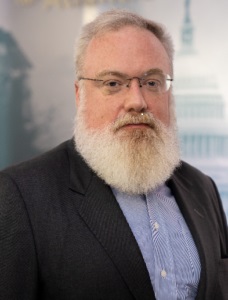
Markus GARLAUSKAS
Director of the Indo-Pacific Security Initiative, the Atlantic Council
Markus GARLAUSKAS
Director of the Indo-Pacific Security Initiative, the Atlantic Council
Markus GARLAUSKAS is Director of the Indo-Pacific Security Initiative at the Scowcroft Center for Strategy and Security of the Atlantic Council, where he leads work on conflict and nuclear deterrence, U.S. strategy, and cooperation with allies and partners across the Indo-Pacific. He is also an Adjunct Professor at Georgetown University’s Security Studies Program. Prior to joining the Atlantic Council, he served in the U.S. government for nearly twenty years. From 2014 to 2020, he was a member of the Senior National Intelligence Service and served as National Intelligence Officer for North Korea on the National Intelligence Council. Earlier in his career, he spent nearly twelve years overseas in Seoul at the headquarters of United Nations Command, Combined Forces Command, and U.S. Forces Korea. He earned his M.A. from Georgetown University’s Security Studies Program and his B.A. in History from Kent State University.
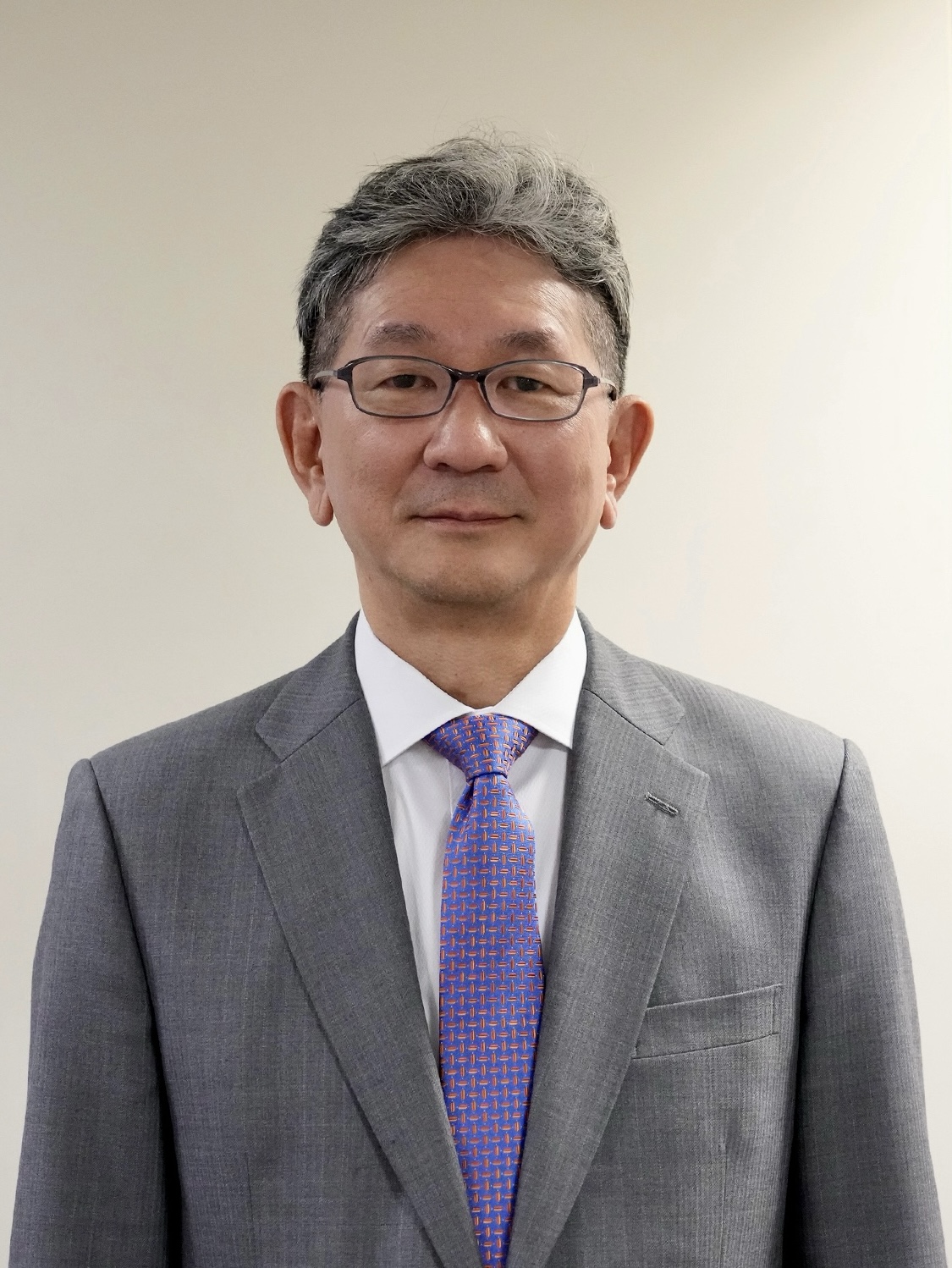
MORI Takeo
Advisor to the Minister for Foreign Affairs of Japan
MORI Takeo
Advisor to the Minister for Foreign Affairs of Japan
MORI Takeo is Advisor to the Minister for Foreign Affairs of Japan. Prior to this role, he had a distinguished 40-year career at the Ministry of Foreign Affairs of Japan, culminating as Vice Minister for Foreign Affairs. His overseas postings included the Japanese Embassies in Germany, Singapore, and Washington, D.C.

Nicholas BRAMBLE
Director of Trade and Economic Policy, Google
Nicholas BRAMBLE
Director of Trade and Economic Policy, Google
Nicholas BRAMBLE is Director of Trade and Economic Policy at Google. Previously, he served as Senior Counsel at Google, where he handled global trade and competitiveness issues. He previously was the lead for search and cloud policy issues on Google\\\'s trust & safety team. Prior to Google, Mr. Bramble was a Presidential Innovation Fellow with the U.S. Treasury Department, and served as a lecturer at Yale Law School and director of the Yale Law and Media Program. He has filed two amicus briefs on technology issues with the Supreme Court and published articles on telecom, copyright, and content regulation in the Hastings Law Journal, Michigan Telecommunications & Technology Law Review, and Harvard Journal of Law & Technology. Mr. Bramble holds a J.D. from Harvard Law School and B.A. and M.A. degrees from Stanford University.
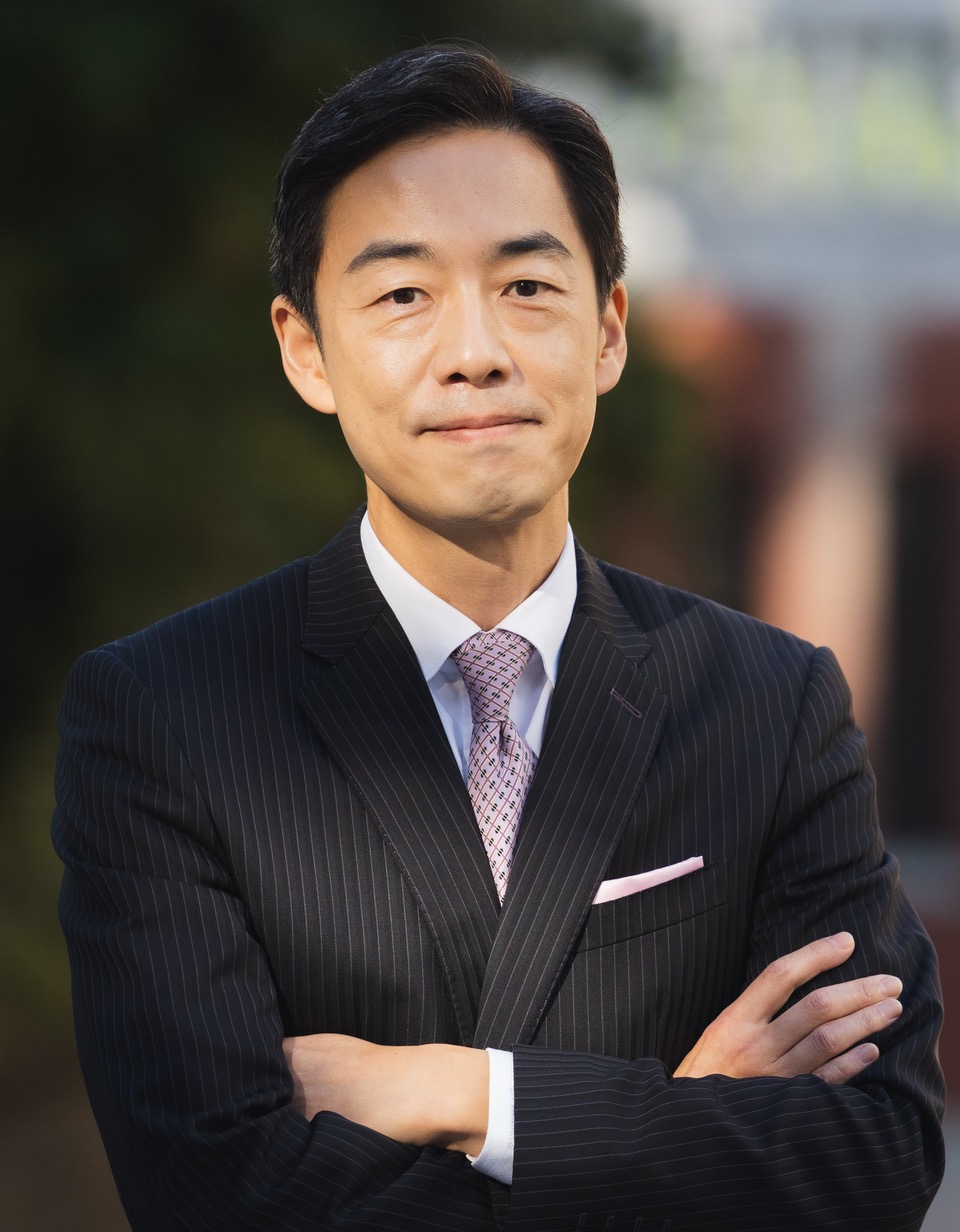
NISHINO Junya
Professor in the Department of Political Science, Keio University
NISHINO Junya
Professor in the Department of Political Science, Keio University
NISHINO Junya is Professor in the Department of Political Science at Keio University, where he also serves as Director of the Institute of East Asian Studies and Center for Contemporary Korean Studies. His research focuses on contemporary Korean politics, East Asian international relations, and Japan-ROK and Japan-US-ROK relations. He was a Japan Scholar at the Woodrow Wilson International Center for Scholars and Visiting Scholar at George Washington University’s Sigur Center. He previously served as Special Analyst on Korean Affairs at Japan’s Ministry of Foreign Affairs and as Special Assistant on Korean Politics at the Japanese Embassy in Seoul. He holds a Ph.D. in Political Science from Yonsei University and an M.A. and a B.A. from Keio University.
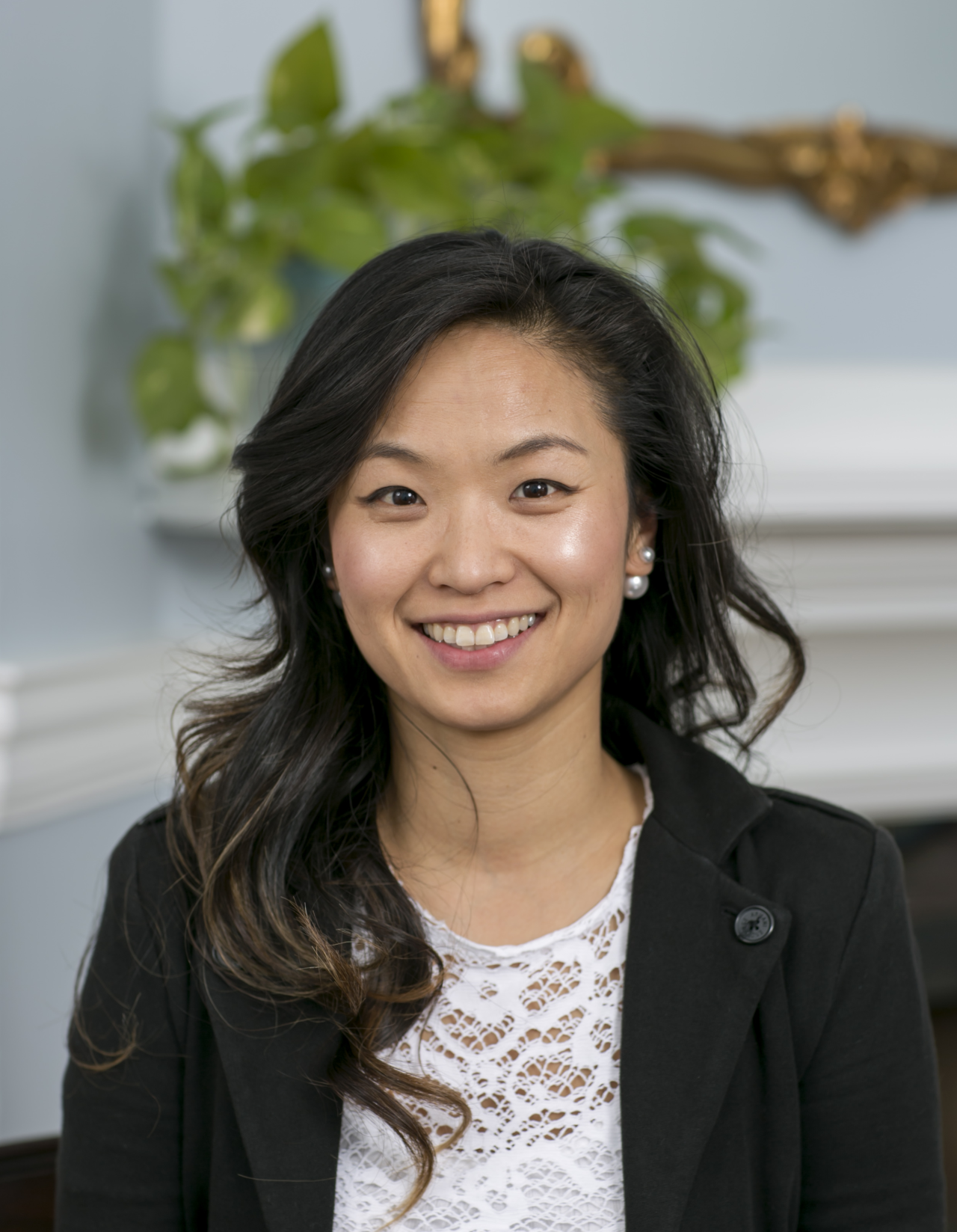
OH Seung-youn
Associate Professor in the Department of Political Science and Visiting Professor at INSEAD Business School, Bryn Mawr College
OH Seung-youn
Associate Professor in the Department of Political Science and Visiting Professor at INSEAD Business School, Bryn Mawr College
OH Seung-youn is Associate Professor in the Department of Political Science at Bryn Mawr College and Visiting Professor at INSEAD Business School. Her research interests include China’s economic statecraft, the economy–security nexus, trade disputes, industrial policy, global supply chains of emerging technologies, and U.S.–China strategic competition. She previously served as a POSCO Fellow at the East–West Center in Honolulu, Research Fellow at the East Asia Institute in Seoul, Postdoctoral Fellow at the Center for the Study of Contemporary China at the University of Pennsylvania, and Visiting Scholar at the Institute of World Economics and Politics of the Chinese Academy of Social Sciences in Beijing. She earned her Ph.D. and M.A. in Political Science from the University of California, Berkeley, and her B.A. in Political Science from Yonsei University.
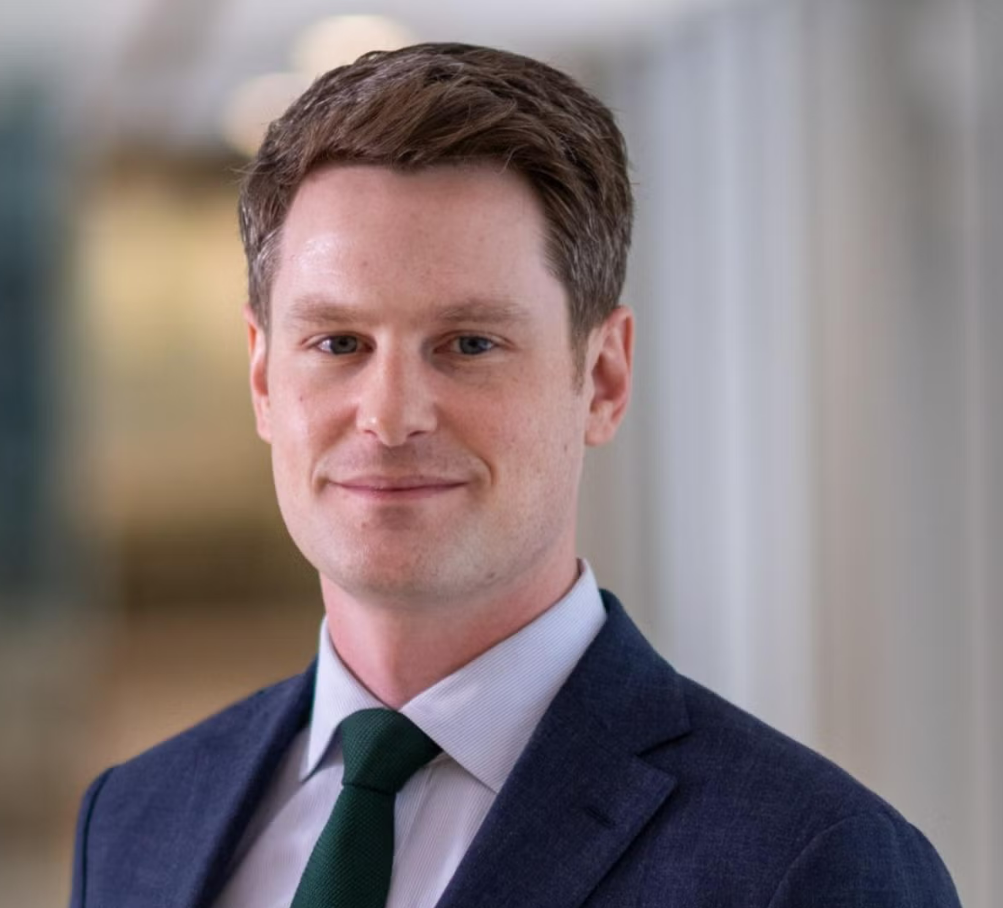
Owen DORNEY
Vice President, Strategic Partnerships, Hudson Institute
Owen DORNEY
Vice President, Strategic Partnerships, Hudson Institute
Owen DORNEY is Vice President of Strategic Partnerships at Hudson Institute. Prior to assuming this role, he served at the U.S. International Development Finance Corporation during the first Trump administration, where he focused on advancing U.S. foreign policy objectives through strategic investments in emerging markets. Earlier in his career, he was an Associate at Advantage Capital and worked in development operations for the Republican National Committee as well as the 2012 Mitt Romney presidential campaign. He holds an MBA from Duke University and a B.A. in political science from Boston University.
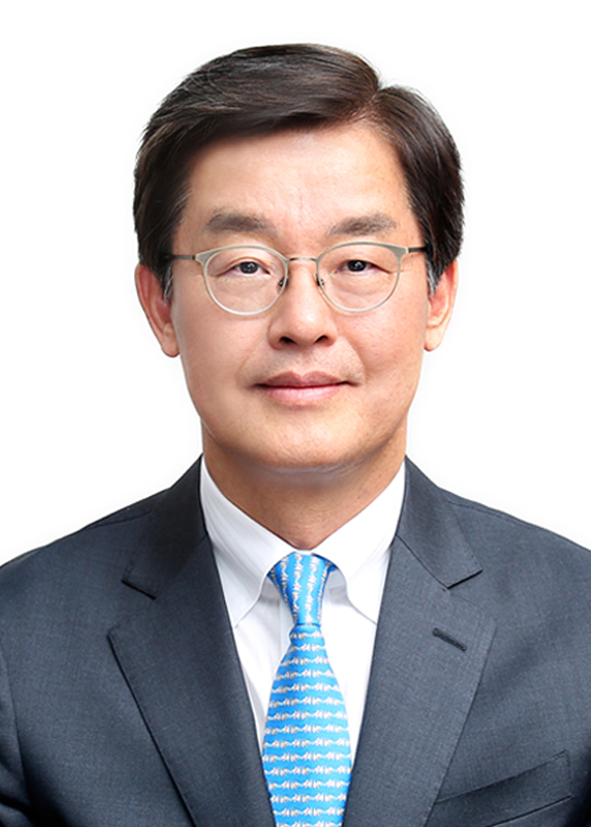
PARK Cheol-hee
Special Adviser, International House of Japan (IHJ); Professor Emeritus at Seoul National University
PARK Cheol-hee
Special Adviser, International House of Japan (IHJ); Professor Emeritus at Seoul National University
PARK Cheol-hee is Special Adviser at the International House of Japan (IHJ) and Professor Emeritus at Seoul National University. He previously served as Ambassador of the Republic of Korea to Japan and as Chancellor of the Korea National Diplomatic Academy (KNDA). He was a professor at the Graduate School of International Studies (GSIS) at Seoul National University, where he also served as Director of the Institute for Japanese Studies and Dean of GSIS. In his personal capacity, he served as President of the Korean Association for Contemporary Japanese Studies and is a Co-Founder of the East Asia Consortium of Japanese Studies. He earned his Ph.D. from Columbia University, and his M.A. and B.A. in Political Science from Seoul National University.
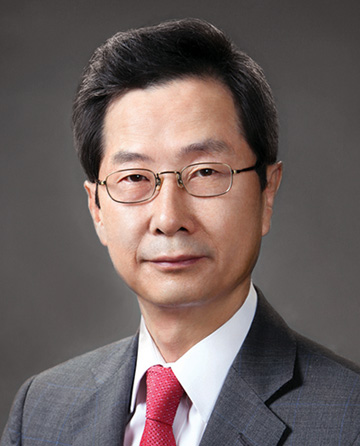
PARK In-kook
Chairman of Sookmyung Educational Foundation and Executive Advisor of SK Group
PARK In-kook
Chairman of Sookmyung Educational Foundation and Executive Advisor of SK Group
PARK In-kook is Chairman of Sookmyung Educational Foundation and Executive Advisor of SK Group. He previously served as President of the Chey Institute for Advanced Studies. He also served as Korea’s Permanent Representative to the United Nations from 2008-2011 and as Ambassador to Geneva and Kuwait. At the Ministry of Foreign Affairs, he served as Director of United Nations Division II on Disarmament and Nuclear Energy, Deputy Minister for Policy Planning and International Organizations, and Deputy Foreign Minister for Multilateral and Global Issues
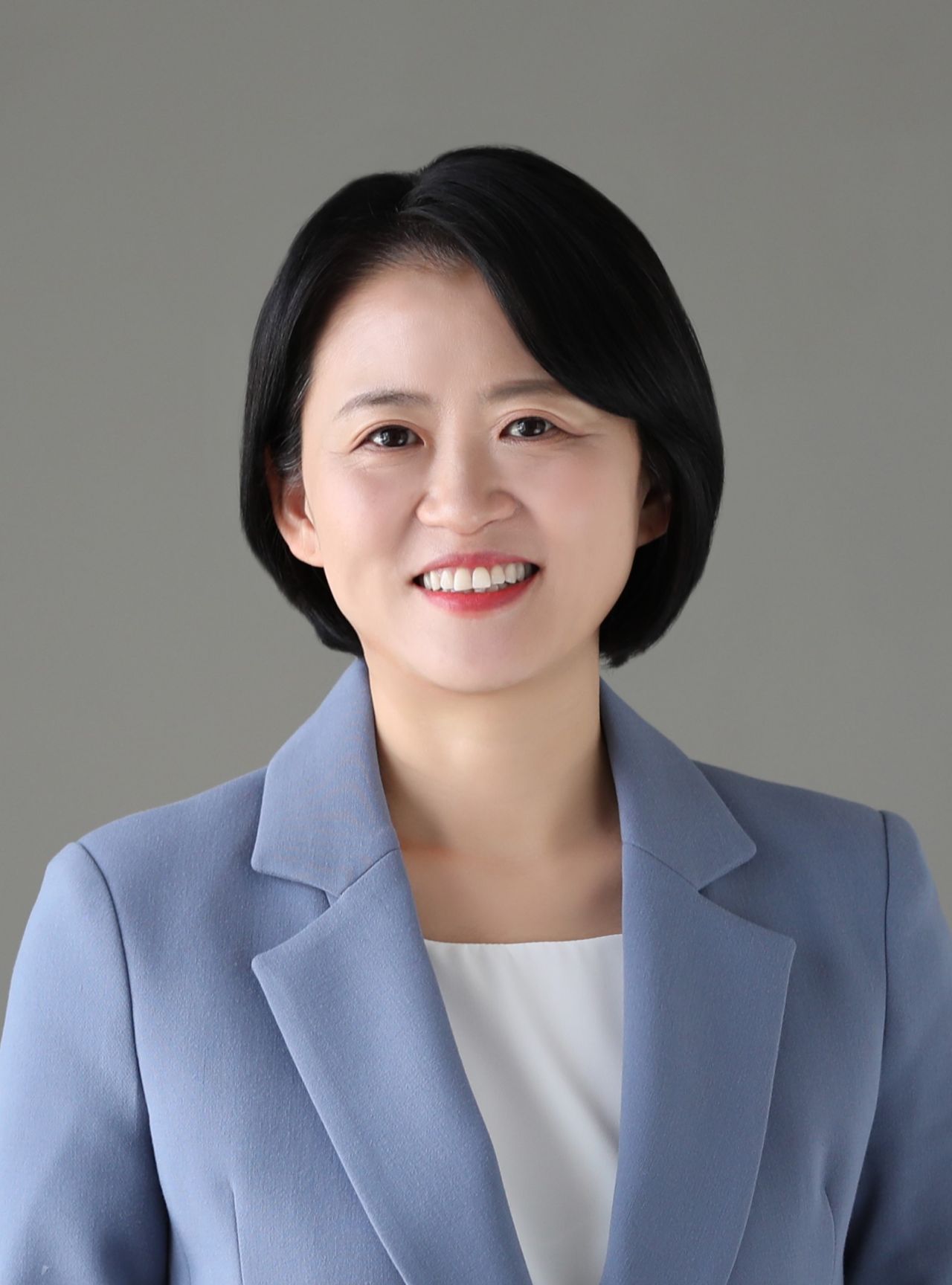
PARK Jeehye
Member of the National Assembly of the Republic of Korea, Democratic Party
PARK Jeehye
Member of the National Assembly of the Republic of Korea, Democratic Party
PARK Jeehye is a Member of the 22nd National Assembly of the Republic of Korea. She serves on the Trade, Industry, Energy, SMEs and Startups Committee and the Special Committee on Climate Crisis, where she is the Ranking Member. She also serves as Spokesperson for the Democratic Party of Korea. Prior to her election to the National Assembly, she worked as an environmental lawyer and climate policy expert, including as a Senior Attorney at the Green Law Center, and previously co-led ‘Plan 1.5,’ a civil society initiative focused on aligning national policies with the Paris Agreement.
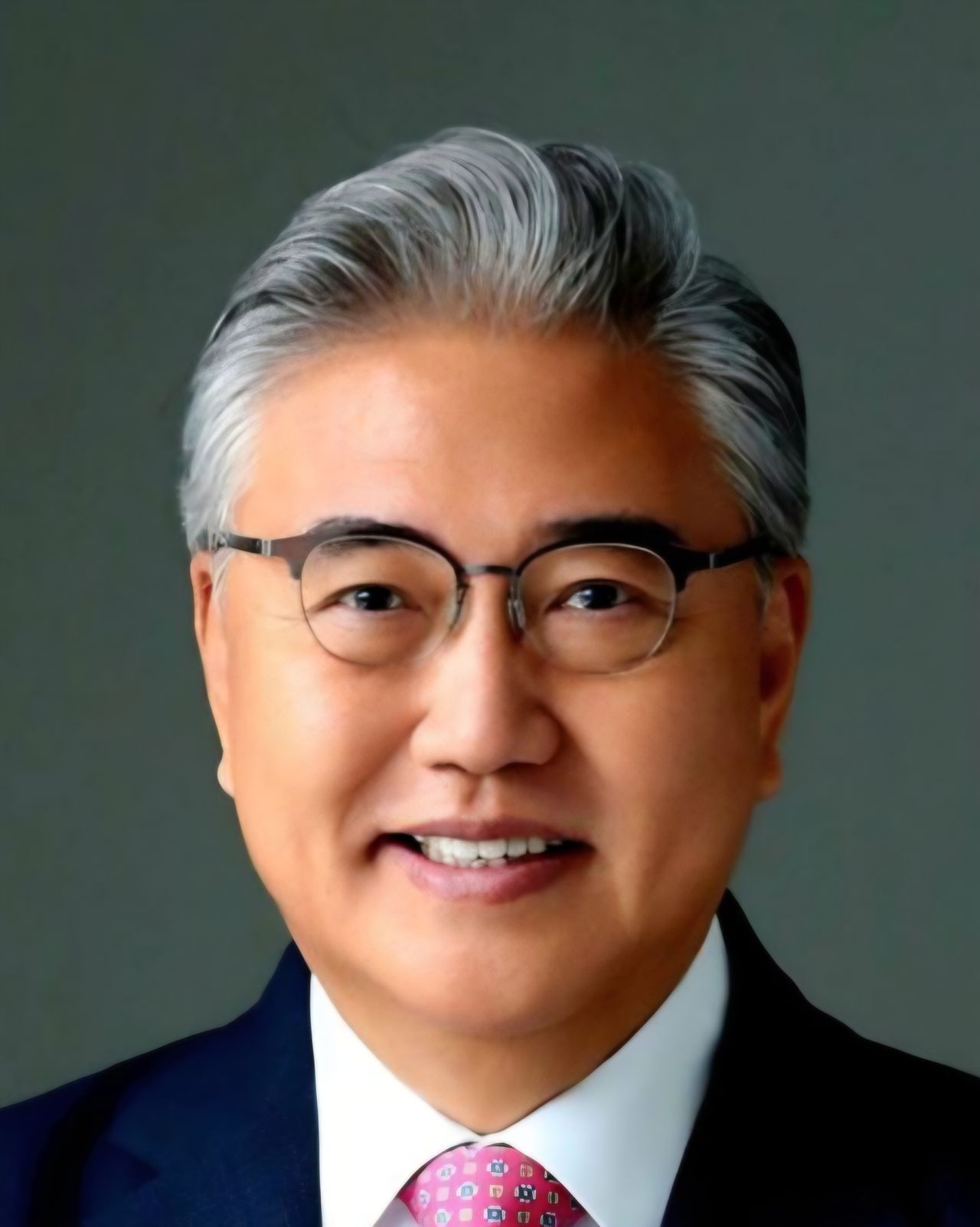
PARK Jin
Distinguished Invited Professor, KAIST
PARK Jin
Distinguished Invited Professor, KAIST
PARK Jin formerly served as Korea’s Foreign Minister and four-term Member of National Assembly. He is currently Distinguished Invited Professor at Korea Advanced Institute of Science and Technology and Senior Advisor at the Kim & Chang Law Office as a Member of the New York Bar. Previously, he led the Asia Future Institute (AFI) and chaired the Korea-America Association (KAA). Elected to the National Assembly in 2002, he chaired the Foreign Affairs, Trade, and National Unification Committee, passing key laws such as the KORUS FTA and the North Korea Human Rights Act. He also served as Presidential Secretary for Press and Political Affairs under the Kim Young-sam administration. He served as a Navy Lieutenant in Korea.
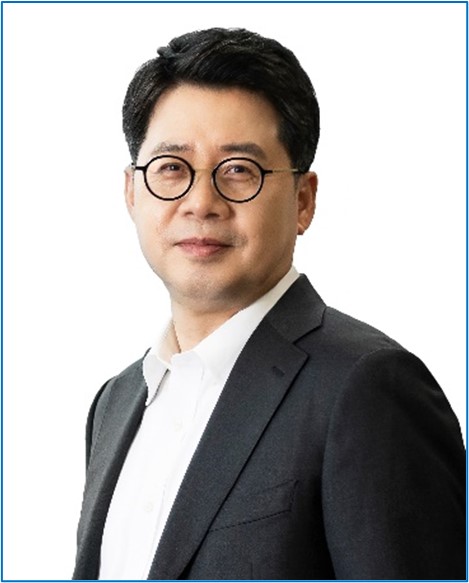
PARK SangKyu
President, Head of SK Group Japan Office
PARK SangKyu
President, Head of SK Group Japan Office
PARK SangKyu is President and Head of the SK Group Japan Office, President of the Talent Development Committee of the SK SUPEX Council, and President of mySUNI University within the SK Group. Since joining SK in 1987, he has held numerous executive leadership roles across the Group. Prior to his current appointments in June 2025, he served as CEO and President of SK Innovation and SK Enmove, and previously led SK Networks as CEO and President for nearly six years. His experience also includes roles as Chief Operating Officer of Walkerhill Hotel at SK Networks, Chief of Staff in the Chairman’s Office at SK Corporation, and Vice President of the Retail Marketing Division at SK Energy. Earlier in his career, he worked as a researcher at the Japan Energy & Economic Research Institute within SK. He holds a B.A. in Business Administration from Seoul National University.

Patrick M. CRONIN
Asia-Pacific Security Chair, Hudson Institute
Patrick M. CRONIN
Asia-Pacific Security Chair, Hudson Institute
Patrick M. CRONIN is the Asia-Pacific security chair at Hudson Institute. Previously, he was the senior director of the Asia-Pacific Security Program at the Center for a New American Security (CNAS); senior director of the Institute for National Strategic Studies (INSS) at the National Defense University, where he simultaneously oversaw the Center for the Study of Chinese Military Affairs; director of studies at the London-based International Institute for Strategic Studies (IISS); senior vice president and director of research at the Center for Strategic and International Studies (CSIS); and director of research at the US Institute of Peace.
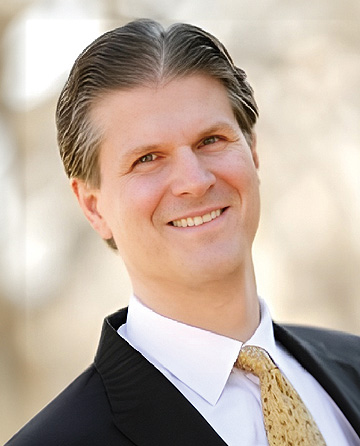
Paul H. DELANEY, III
Head of the Washington Office and Government Relations, SK Americas
Paul H. DELANEY, III
Head of the Washington Office and Government Relations, SK Americas
Paul H. DELANEY, III is Head of the Washington Office and Government Relations for SK Americas. He previously served as Deputy Chief of Staff for the USTR and as International Trade Counsel for the United States Senate Committee on Finance. He also was Vice President for Trade and International Policy at Business Roundtable and worked for FedEx Express doing international trade and commercial policy advocacy. Paul holds a J.D. from the University of Virginia School of Law and a B.A. in political science and government from Yale University.
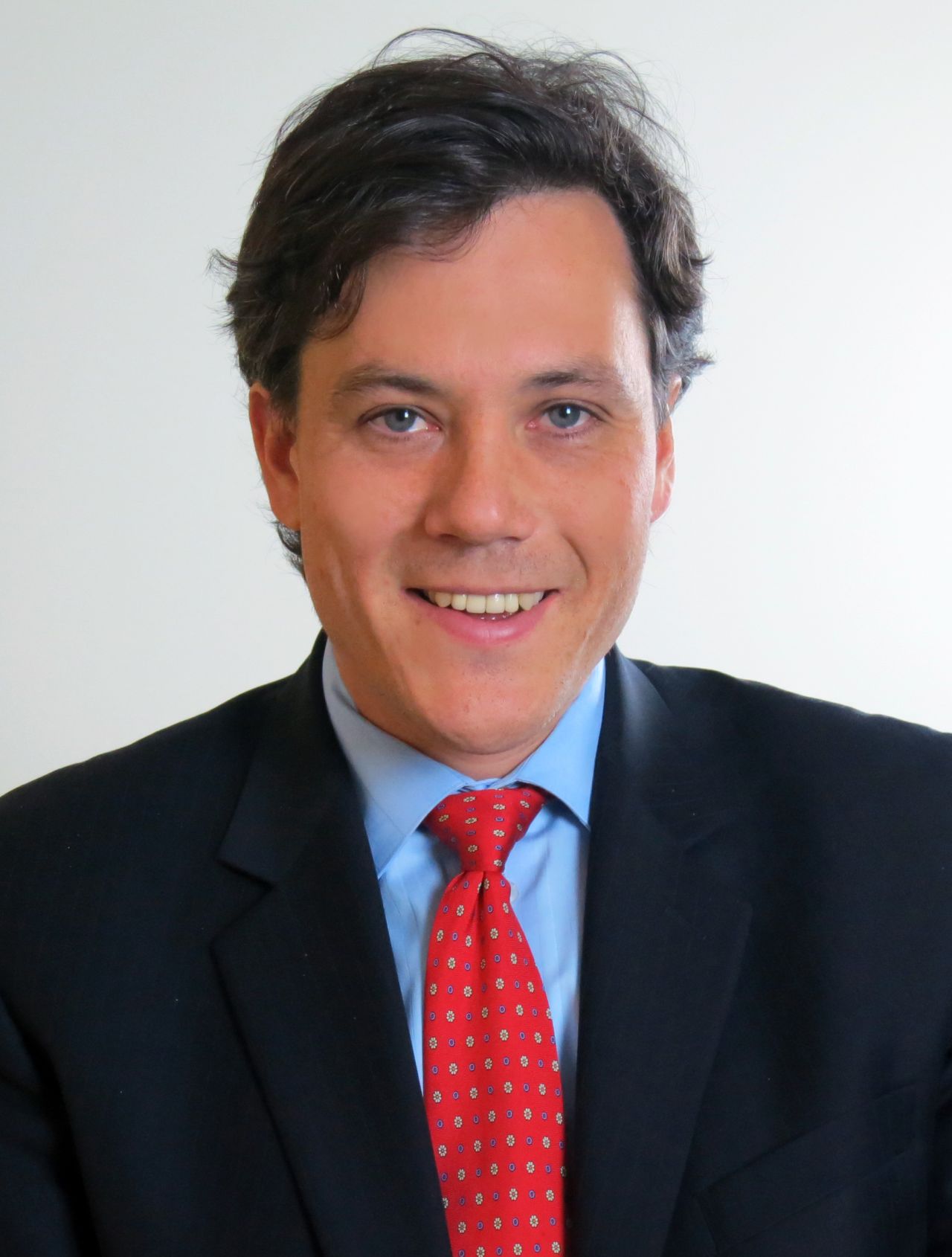
Peter E. HARRELL
Visiting Scholar, Georgetown University’s Institute of International Economic Law; Nonresident Fellow, the Carnegie Endowment for International Peace
Peter E. HARRELL
Visiting Scholar, Georgetown University’s Institute of International Economic Law; Nonresident Fellow, the Carnegie Endowment for International Peace
Peter E. HARRELL is Visiting Scholar at Georgetown University’s Institute of International Economic Law and a Nonresident Fellow at the Carnegie Endowment for International Peace, and advises companies and investors on sanctions, trade compliance, and geopolitical risk. He previously served as Senior Director for International Economics at the White House, jointly appointed to the National Security Council and National Economic Council, where he led U.S. supply chain security, digital and telecommunications policy, CFIUS engagement, and sanctions and export controls on Russia. Earlier, he served at the U.S. Department of State and later worked in private practice as an Adjunct Senior Fellow at the Center for a New American Security. He holds a J.D. from Yale Law School and a B.A. (magna cum laude) from Princeton University.
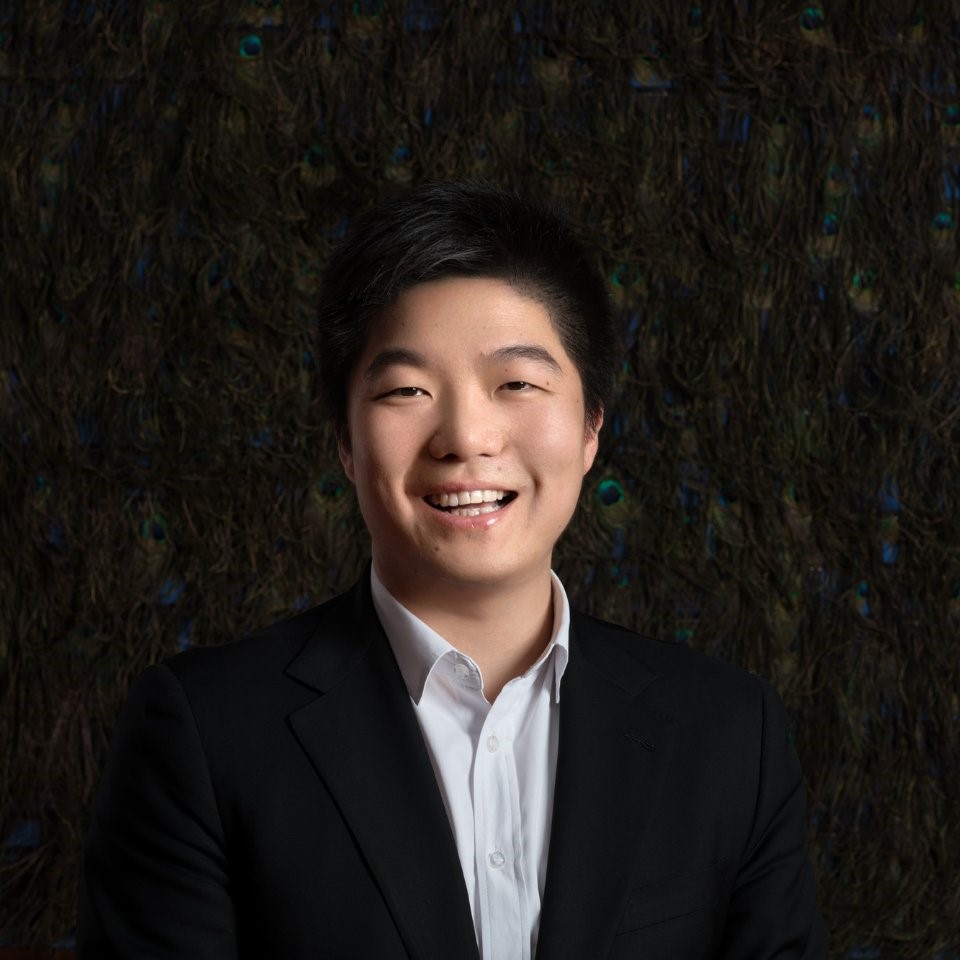
QIAN Jing
Vice President of the Asia Society, Managing Director of its Center for China Analysis (CCA)
QIAN Jing
Vice President of the Asia Society, Managing Director of its Center for China Analysis (CCA)
QIAN Jing is Vice President of the Asia Society and Managing Director of its Center for China Analysis (CCA), which he co-founded with Kevin Rudd, former Prime Minister of Australia. He leads strategy, research, and policy work on China at CCA, and co-leads major initiatives including Decoding Chinese Politics, Cure4Cancer International Clinical Trials Collaboration, and the Dragon & Eagle: U.S.–China Rising Leaders Council. He also serves as an Advisory Board Member of the Bloomberg New Economy Forum and is co-founder of the Bloomberg New Economy International Cancer Coalition, as well as co-founder of Project Agora with George Papandreou, former Prime Minister of Greece. He holds an LL.M. in Legality and Power in China from Harvard Law School.
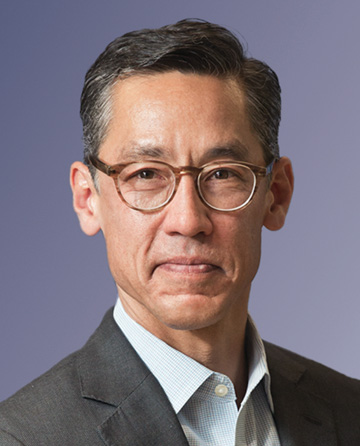
Rexon RYU
President, The Asia Group
Rexon RYU
President, The Asia Group
Rexon RYU is President of The Asia Group, Board Chair of The Asia Group Foundation, and Co-Host of the Tea Leaves Podcast. He leads The Asia Group’s practices in aerospace and defense, national security, and the ROK. He has served three U.S. presidents and served as Chief of Staff to the Secretary of Defense, on the White House National Security Staff, and as Deputy to the U.S. Ambassador to the United Nations. He holds an M.A. in public policy from Princeton University and a B.A. in political science and government from the University of California, Berkeley.
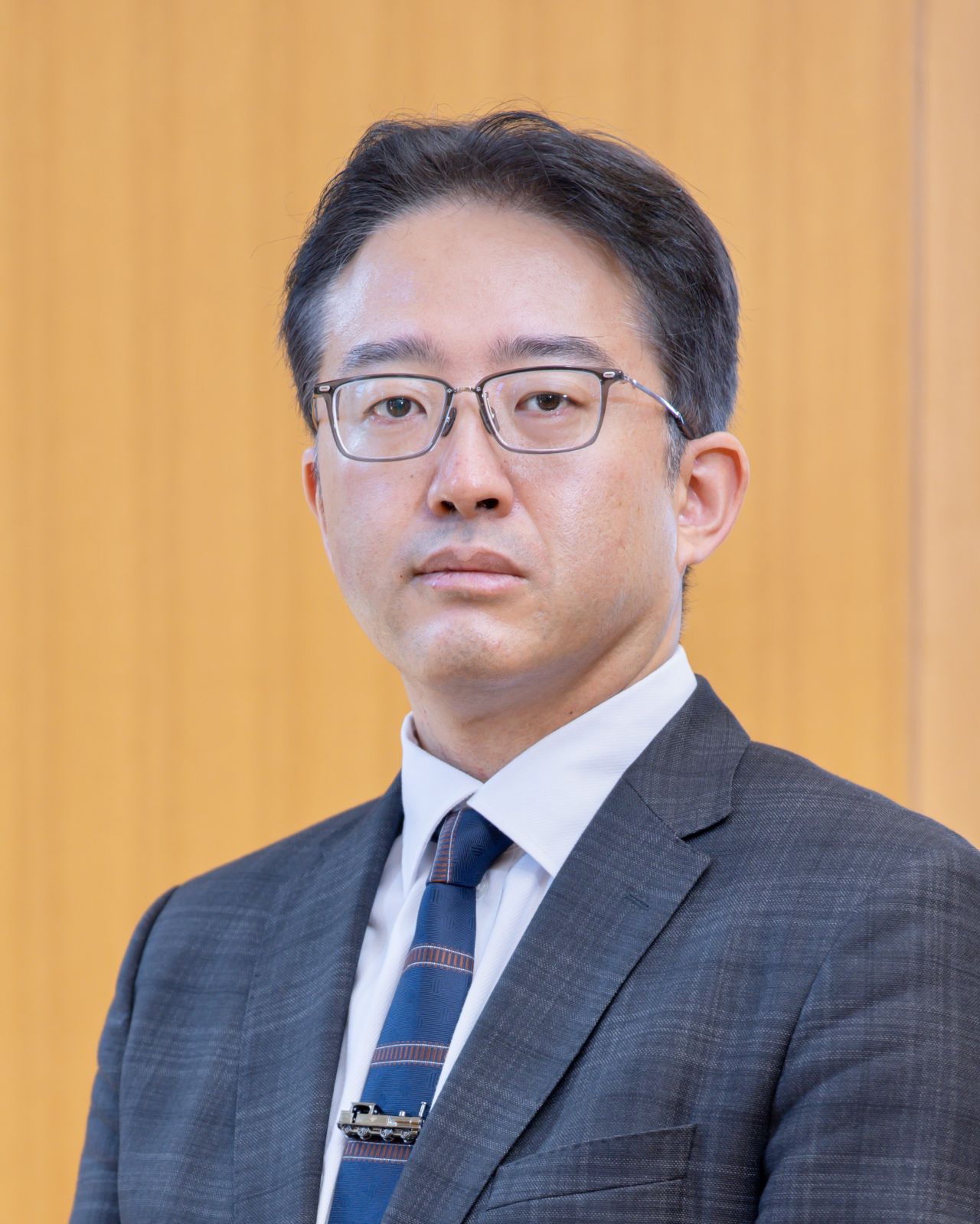
SAHASHI Ryo
Professor of International Relations at the Institute for Advanced Studies on Asia, the University of Tokyo
SAHASHI Ryo
Professor of International Relations at the Institute for Advanced Studies on Asia, the University of Tokyo
SAHASHI Ryo is Professor of International Relations at the Institute for Advanced Studies on Asia, the University of Tokyo. His research specializes in international politics in East Asia. He serves on several government panels, including the Council on the Use of Real Estate and the Advisory Board for Promoting Science and Technology Diplomacy. He is also Senior Visiting Fellow at the Keidanren Policy Research Institute and a Nonresident Scholar at the Carnegie Endowment for International Peace. He has been a Visiting Scholar at Stanford University, the Wilson Center, and Seoul National University, and serves on the boards of the Japan Center for International Exchange and the Japan Association of International Relations.
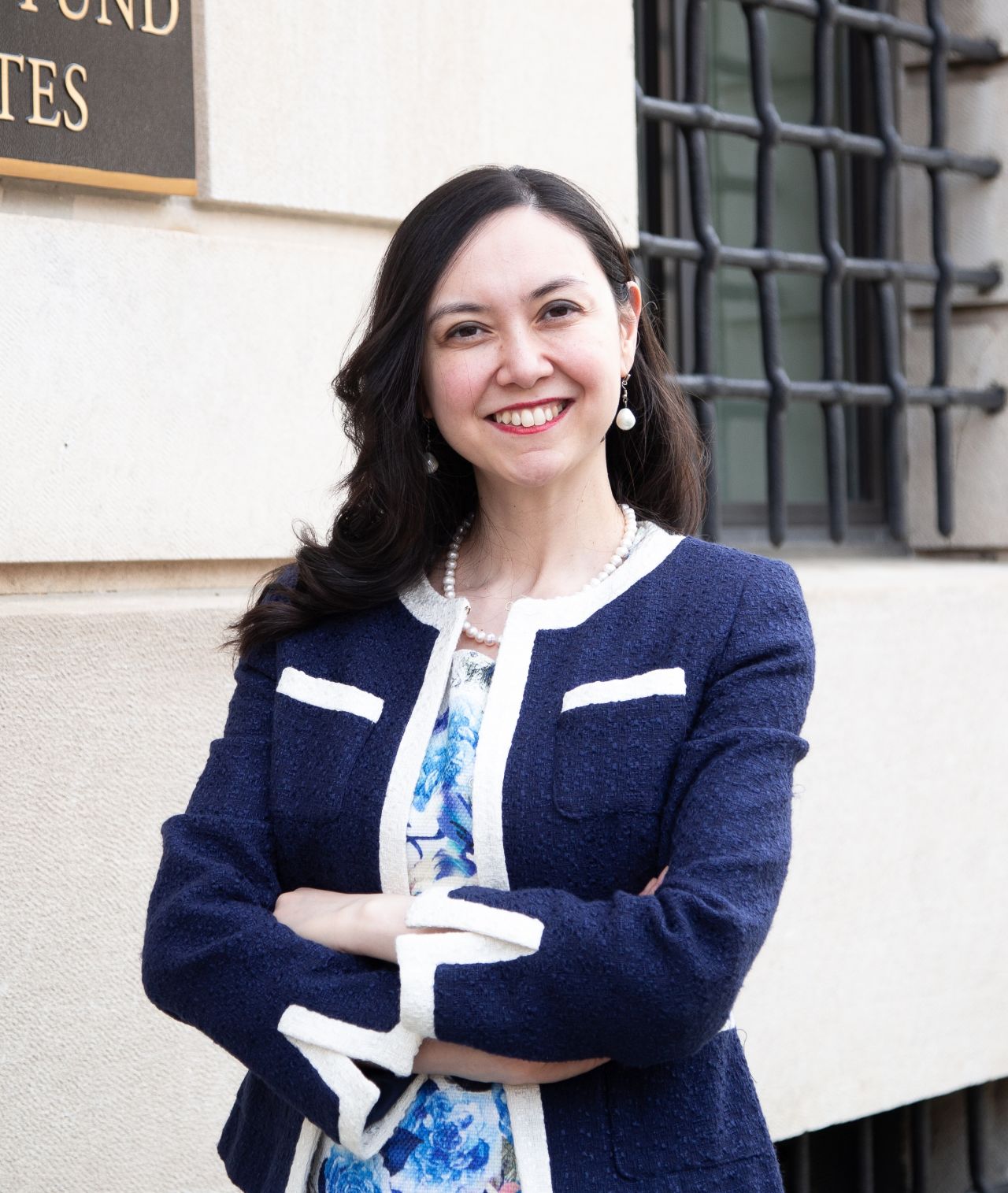
Sayuri ROMEI
Senior Fellow in the Indo-Pacific Program, German Marshall Fund (GMF)
Sayuri ROMEI
Senior Fellow in the Indo-Pacific Program, German Marshall Fund (GMF)
Sayuri ROMEI is a Washington, D.C.-based Senior Fellow in the Indo-Pacific Program at the German Marshall Fund (GMF), where she leads research on Japan and heads the Japan Trilateral Forum. Her work focuses on U.S.–Japan relations and Indo-Pacific security. Previously, she served as Associate Director of Programs at the Maureen and Mike Mansfield Foundation and held fellowships at the RAND Corporation, the Wilson Center, Sasakawa Peace Foundation USA, and Stanford University’s Center for International Security and Cooperation. She holds a Ph.D. in Political Science from Roma Tre University, an M.A. in International Relations, and a B.A. from the University of Sorbonne and the University of Roma La Sapienza.
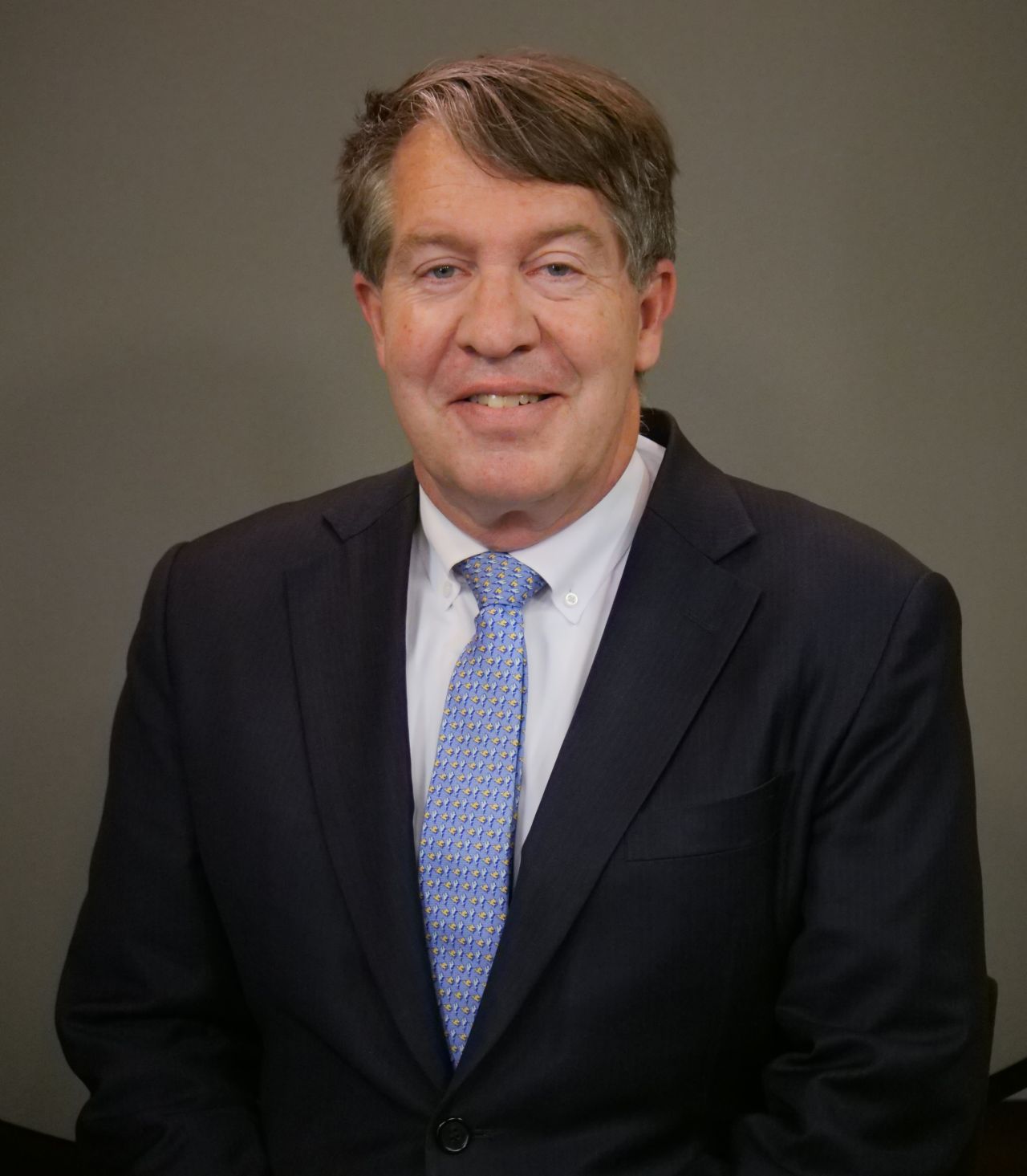
Scott SNYDER
President and CEO, Korea Economic Institute of America (KEI)
Scott SNYDER
President and CEO, Korea Economic Institute of America (KEI)
Scott SNYDER is President and Chief Executive Officer of the Korea Economic Institute of America (KEI). He previously served as Senior Fellow for Korea Studies and Director of the Program on U.S.-Korea Policy at the Council on Foreign Relations. He is the author of The United States–South Korea Alliance: Why It May Fail and Why It Must Not (2023) and South Korea at the Crossroads: Autonomy and Alliance in an Era of Rival Powers (2018), and co-editor of North Korean Foreign Policy: The Kim Jong-Un Regime in a Hostile World (2023). He received a B.A. from Rice University and an M.A. from Harvard University.
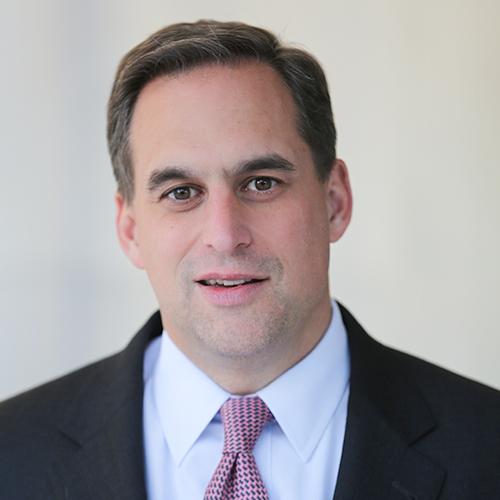
Seth G. JONES
President, Defense and Security Department and Harold Brown Chair at CSIS.
Seth G. JONES
President, Defense and Security Department and Harold Brown Chair at CSIS.
Seth G. JONES is president of the Defense and Security Department and Harold Brown Chair at the Center for Strategic and International Studies (CSIS). He also serves as a Commissioner on the U.S. Congressional Afghanistan War Commission and teaches at the U.S. Naval Postgraduate School. Prior to CSIS, Dr. Jones was director of the International Security and Defense Policy Center at the RAND Corporation. Before that, he served in numerous positions in the Office of the Secretary of Defense and U.S. Special Operations Command. He is author of several books, including The American Edge: The Military Tech Nexus and the Sources of Great Power Dominance (Oxford University Press, 2025), Three Dangerous Men: Russia, China, Iran, and the Rise of Irregular Warfare (W.W. Norton, 2021), and In the Graveyard of Empires: America’s War in Afghanistan (W.W. Norton, 2009). Dr. Jones has published articles in a range of journals, including Foreign Affairs, Foreign Policy, and International Security, and news outlets like the New York Times, Washington Post, and Wall Street Journal. He is a graduate of Bowdoin College and received his MA and PhD from the University of Chicago.
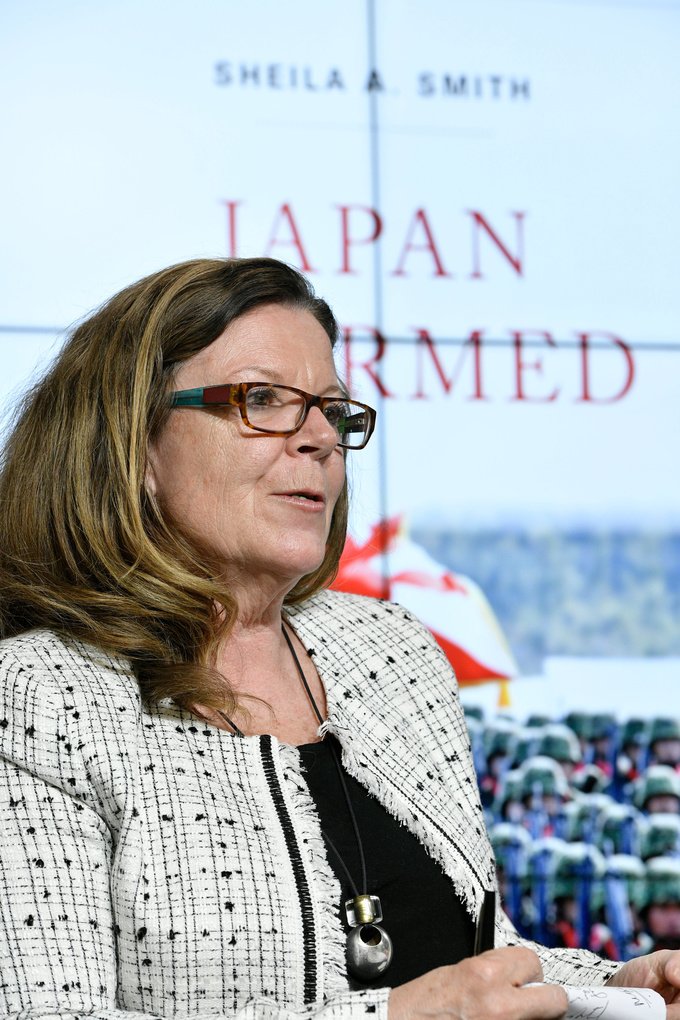
Sheila A. SMITH
John E. Merow Senior Fellow for Asia-Pacific Studies, Council on Foreign Relations
Sheila A. SMITH
John E. Merow Senior Fellow for Asia-Pacific Studies, Council on Foreign Relations
Sheila A. SMITH is John E. Merow senior fellow for Asia-Pacific studies at the Council on Foreign Relations (CFR). An expert on Japanese politics and foreign policy, she is the author of Japan Rearmed: The Politics of Military Power, Intimate Rivals: Japanese Domestic Politics and a Rising China (released in Japanese as 日中 親愛なる宿敵: 変容する日本政治と 対中政策), and Japan\\\'s New Politics and the U.S.-Japan Alliance. She is also the author of the CFR interactive guide Constitutional Change in Japan. Smith is a regular contributor to the CFR blog Asia Unbound and a frequent contributor to major media outlets in the United States and Asia. Smith is chair of the Japan-U.S. Friendship Commission (JUSFC) and the U.S. advisors to the U.S.-Japan Conference on Cultural and Educational Interchange (CULCON), a binational advisory panel of government officials and private-sector members. She teaches as an adjunct professor at the Asian studies department of Georgetown University and serves on the board of its Journal of Asian Affairs. She also serves on the advisory committee for the U.S.-Japan Network for the Future program of the Maureen and Mike Mansfield Foundation.
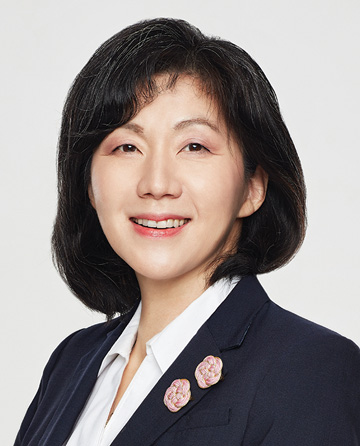
SOHN Jie-ae
Professor, Ewha Womans University
SOHN Jie-ae
Professor, Ewha Womans University
SOHN Jie-ae is Professor at Ewha Womans University after spending 15 years as CNN’s Bureau Chief and Seoul Correspondent. She is an advisor to the Chey Institute for Advanced Studies and recently served as ROK Ambassador for Cultural Cooperation. She also served as the spokesperson for the Presidential Committee for the Seoul G20 Summit in 2010 and as Presidential Secretary of Overseas Public Relations. She was President and CEO of Arirang TV and Radio. She holds an M.A. in Journalism and Mass Communication from Yonsei University and a B.A. in Political Science and International Relations from Ewha Womans University.
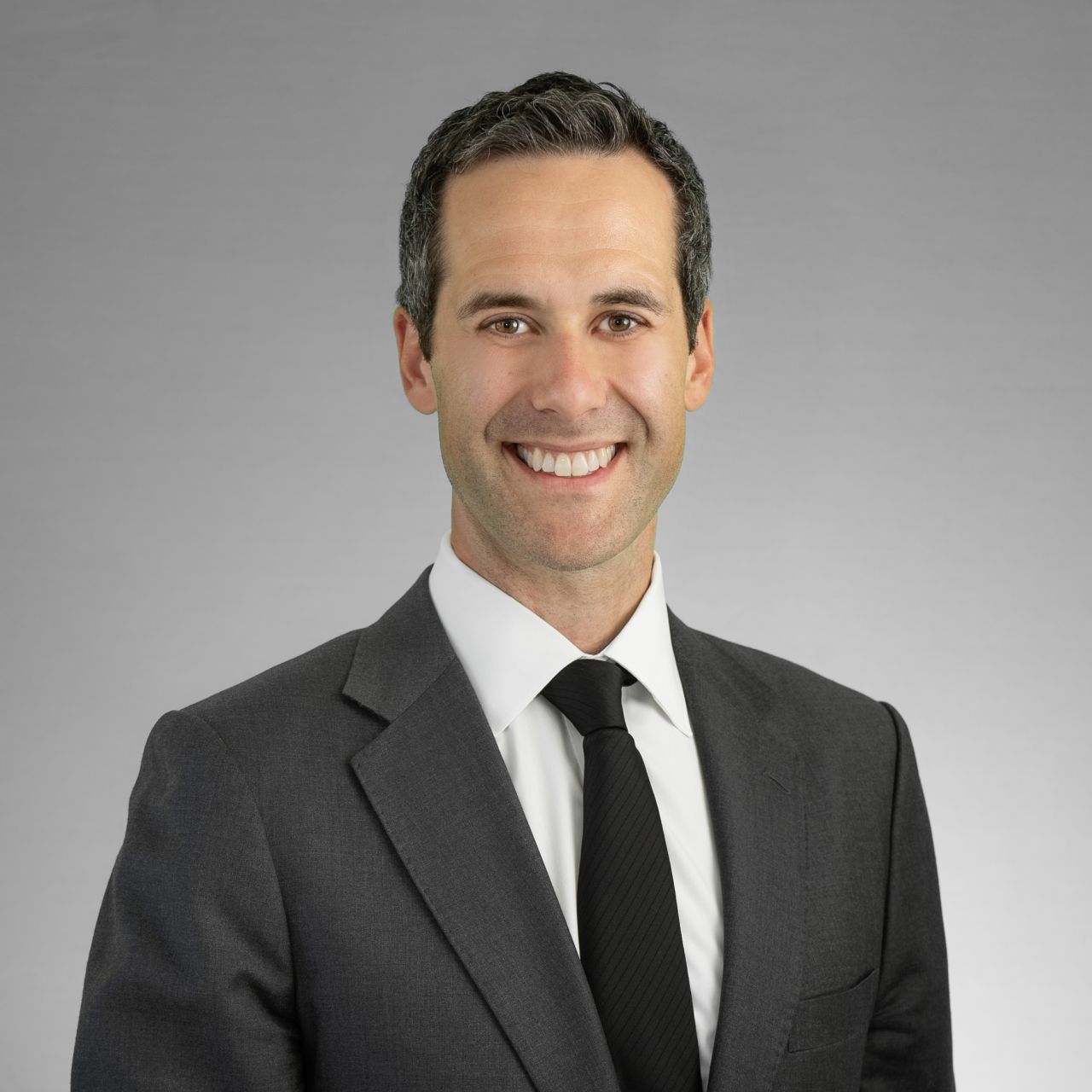
Stephen D. COMELLO
Executive Vice President, the Energy Futures Initiative (EFI) Foundation
Stephen D. COMELLO
Executive Vice President, the Energy Futures Initiative (EFI) Foundation
Stephen D. COMELLO is Executive Vice President at the Energy Futures Initiative (EFI) Foundation and Executive Director of its Nuclear Scaling Initiative. He also serves as Chair of the National Academies’ Forum on Energy Systems Transformation and Decarbonization and as Managing Director of EFI’s Energy Futures Finance Forum, focusing on mobilizing private capital for clean energy deployment. He serves on the External Advisory Board of the Georgia Tech Energy Policy and Innovation Center and is an affiliated faculty member of Stanford Graduate School of Business’s Rapid Decarbonization Initiative. He holds a Ph.D. in Civil and Environmental Engineering from Stanford University and an M.A. and B.A. in Mechanical and Industrial Engineering from the University of Toronto.
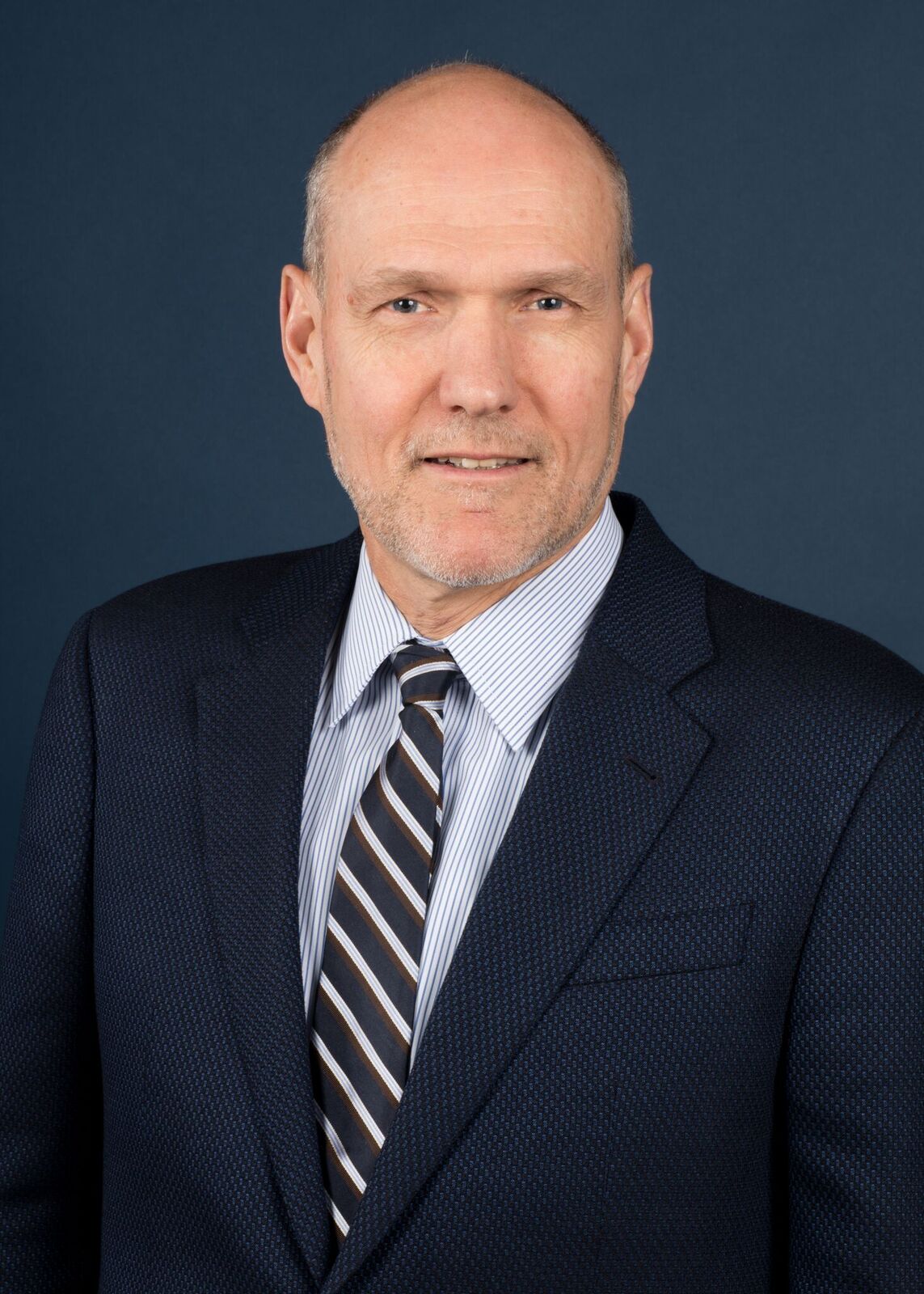
Stephen M. WALT
Robert and Renée Belfer Professor of International Affairs, Harvard Kennedy School
Stephen M. WALT
Robert and Renée Belfer Professor of International Affairs, Harvard Kennedy School
Stephen M. WALT Stephen M. WALT is the Robert and Renée Belfer Professor of International Affairs at the Harvard Kennedy School. He is a columnist at Foreign Policy magazine and a member of the board of the Quincy Institute for Responsible Statecraft. He is a Fellow of the American Academy of Arts and Sciences in May 2005 and a recipient of the International Studies Association’s Distinguished Senior Scholar award. His books include The Origins of Alliances, which received the 1988 Edgar S. Furniss National Security Book Award, and The Hell of Good Intentions: America’s Foreign Policy Elite and the Decline of U.S. Primacy (2018), a New York Times best-seller. He holds a Ph.D. and an M.A. in Political Science from the University of California, Berkeley, and a B.A. in International Relations from Stanford University.
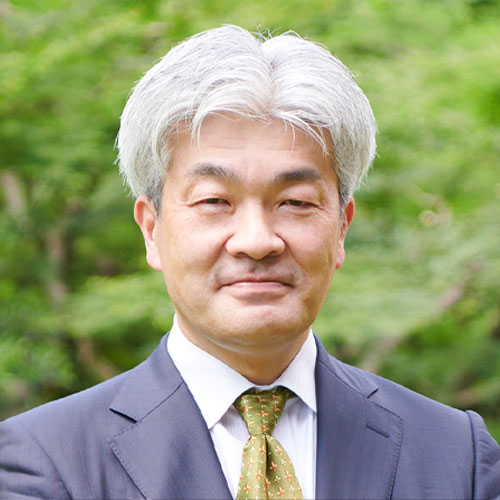
SUZUKI Kazuto
Professor at the Graduate School of Public Policy, University of Tokyo ; Director of the Institute of Geoeconomics, the International House of Japan (IHJ)
SUZUKI Kazuto
Professor at the Graduate School of Public Policy, University of Tokyo ; Director of the Institute of Geoeconomics, the International House of Japan (IHJ)
SUZUKI Kazuto is Professor at the Graduate School of Public Policy at the University of Tokyo and Director of the Institute of Geoeconomics at the International House of Japan (IHJ). He has worked at the Fondation pour la Recherche Stratégique in Paris, France as an assistant and served as Professor of International Politics at Hokkaido University until 2020. He holds a Ph.D. from the University of Sussex and is a graduate of Ritsumeikan University.
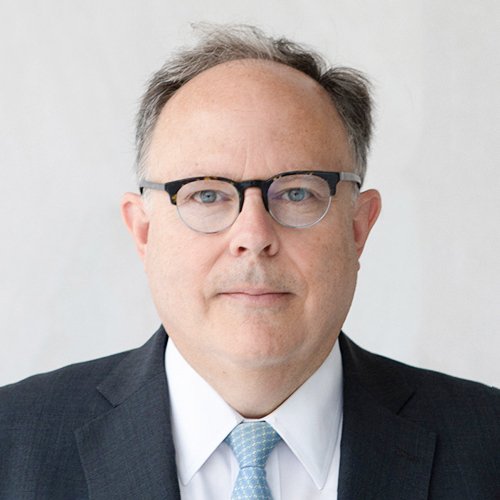
Sydney A. SEILER
Senior Advisor to the Korea Chair, CSIS
Sydney A. SEILER
Senior Advisor to the Korea Chair, CSIS
Sydney A. SEILER is Senior Advisor to the Korea Chair at the Center for Strategic and International Studies (CSIS), with over four decades of expertise on Korean Peninsula and Northeast Asia security, political, economic, and socio-cultural issues. He previously served as National Intelligence Officer for North Korea at the National Intelligence Council and as U.S. Special Envoy for the Six-Party Talks and was Director for Korea Affairs on the White House National Security Council staff. He was also a member of the Senior National Intelligence Service. His awards include the Presidential Rank of Meritorious Senior National Intelligence Officer, the National Intelligence Superior Service Medal, the Chairman of the Joint Chiefs of Staff Joint Distinguished Civilian Service Award, and the Republic of Korea’s Cheonsu Medal of the Order of National Security Merit.
TANAKA Nobuo
Executive Director Emeritus, the International Energy Agency (IEA); Chairman of the steering committee for the Innovation for Cool Earth Forum
TANAKA Nobuo
Executive Director Emeritus, the International Energy Agency (IEA); Chairman of the steering committee for the Innovation for Cool Earth Forum
TANAKA Nobuo is Executive Director Emeritus of the International Energy Agency (IEA) and Chairman of the steering committee for the Innovation for Cool Earth Forum. He previously served as Chairman and President of the Sasakawa Peace Foundation and held senior roles in Japan’s Ministry of Economy, Trade and Industry (METI), including Director-General of the Multilateral Trade System Department and Minister for Industry, Trade, and Energy at the Embassy of Japan in Washington, D.C. He also served as Director for Science, Technology, and Industry at the OECD. He is a Distinguished Fellow at Columbia University’s Center on Global Energy Policy and a member of the Institute of Energy Economics, Japan. He holds an MBA from Case Western Reserve University and graduated from the University of Tokyo.
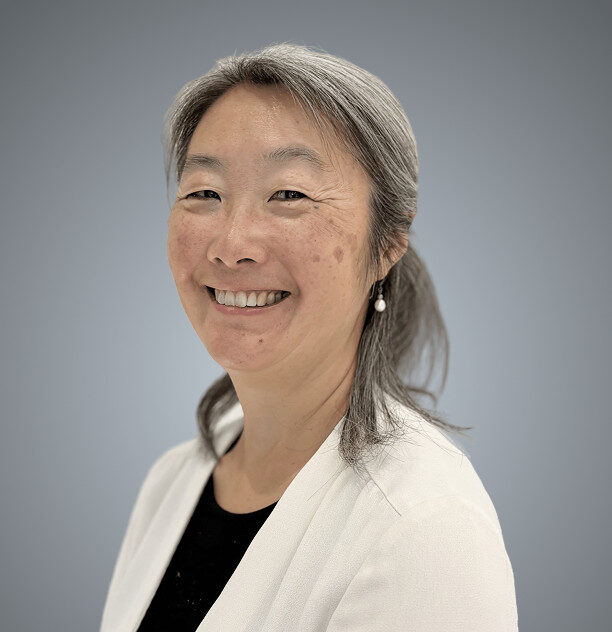
TATSUMI Yuki
Senior Director, the Institute for Indo-Pacific Security (IIPS)
TATSUMI Yuki
Senior Director, the Institute for Indo-Pacific Security (IIPS)
TATSUMI Yuki is Senior Director at the Institute for Indo-Pacific Security (IIPS). She previously served as Senior Fellow and Co-Director of the East Asia Program and Director of the Japan Program at the Stimson Center. Prior to joining Stimson, she worked as a Research Associate at the Center for Strategic and International Studies (CSIS) and as Special Assistant for Political Affairs at the Embassy of Japan in Washington, D.C. She has over 20 years of experience on the U.S.–Japan alliance and Japan’s national security policy. Her publications include Lost in Translation? U.S. Defense Innovation and Northeast Asia (2017), U.S.-Japan-Australia Security Cooperation (2015), Opportunity out of Necessity (2013), Global Security Watch: Japan (2010), and Japan’s National Security Policy Infrastructure (2008). She holds an M.A. from Johns Hopkins University SAIS and a B.A. from International Christian University, Tokyo.
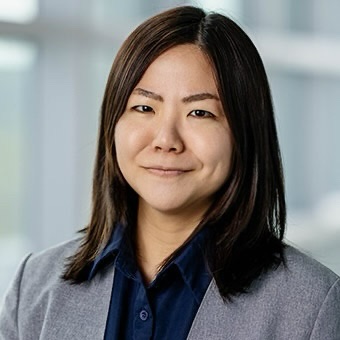
TERAOKA Ayumi
Assistant Professor of Politics, Brandeis University
TERAOKA Ayumi
Assistant Professor of Politics, Brandeis University
TERAOKA Ayumi is Assistant Professor of Politics at Brandeis University. She studies alliance politics and security issues in the Indo-Pacific, with research on U.S. alliance management in Asia, including air defense integration and the defense of Taiwan. She previously held postdoctoral fellowships at the University of Texas at Austin and Columbia University and has held research positions at the Center for Strategic and International Studies (CSIS) and the Council on Foreign Relations. She holds a Ph.D. and an M.A. in Security Studies from Princeton University, an M.A. in Asian Studies from Georgetown University, and a B.A. in Law from Keio University.
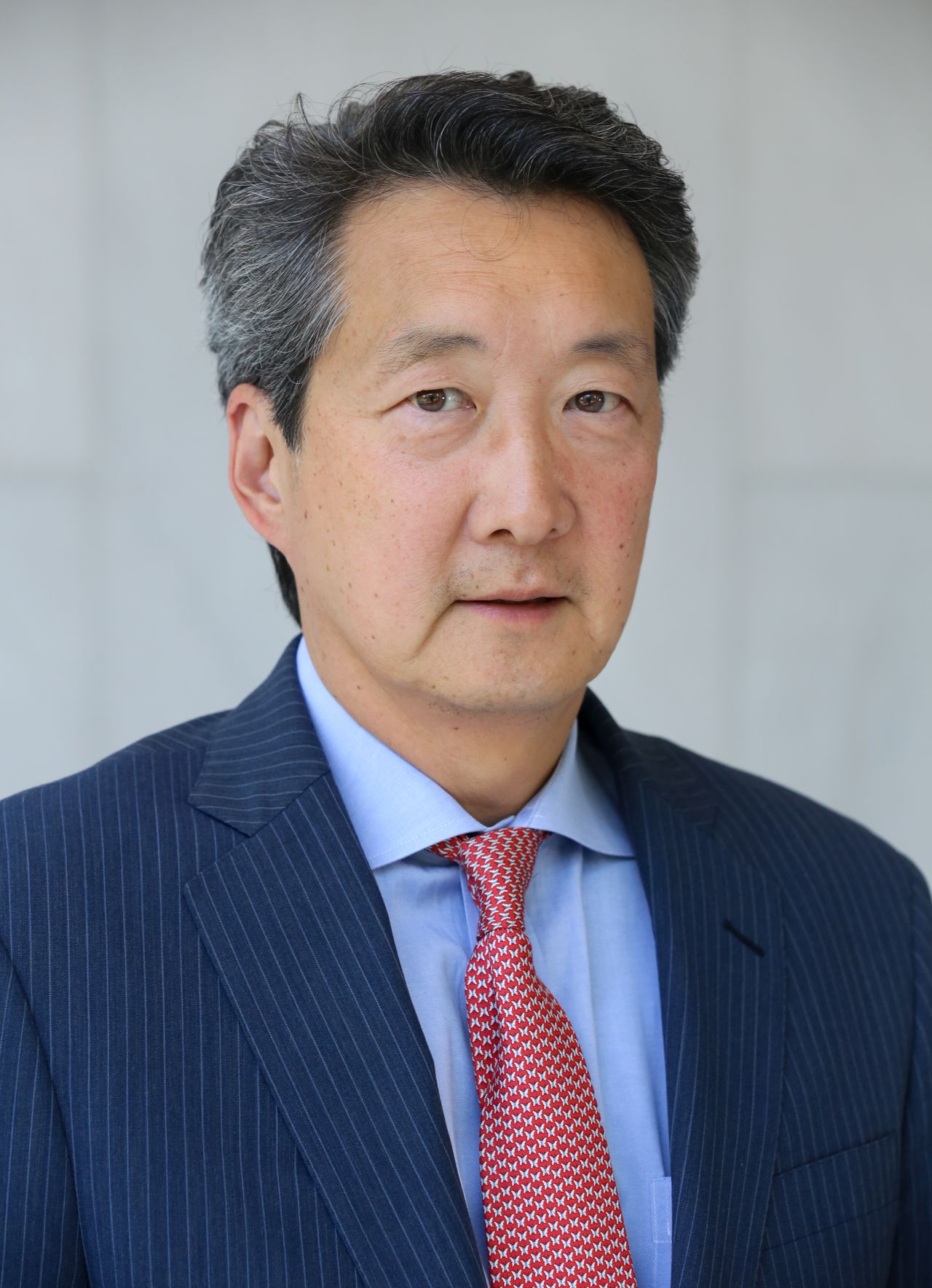
Victor CHA
President, Geopolitics and Foreign Policy Department and Korea Chair, CSIS; Distinguished University Professor, Georgetown University
Victor CHA
President, Geopolitics and Foreign Policy Department and Korea Chair, CSIS; Distinguished University Professor, Georgetown University
Victor CHA is President of the Geopolitics and Foreign Policy Department, and Korea Chair at the Center for Strategic and International Studies (CSIS). Dr. Cha is also a Distinguished University Professor and Professor of Government at Georgetown University. He previously served on the Defense Policy Board for the Biden administration and on the National Security Council for the George W. Bush administration. He received his Ph.D., MIA, and B.A. in political science from Columbia University and a B.A. with honors from Oxford University.
WI Sung Lac (virtual)
ROK Director of National Security
WI Sung Lac (virtual)
ROK Director of National Security
WI Sung Lac (virtual) is the Director of National Security of the Republic of Korea. Prior to this role, he served as a Member of the National Assembly. A veteran career diplomat with 36 years of service, he has held numerous senior positions, including Ambassador to Russia and Special Representative for Korean Peninsula Peace and Security Affairs, a position easily known as the Chief Negotiator for the Six-Party Talks. Following his initial retirement from government service, he taught International Relations at Seoul National University and the Korea National Diplomatic Academy, and served as Secretary-General of the Korea Peace Foundation. He holds a B.A. in International Relations from Seoul National University.
WOO Jung-yeop
Senior Vice President, Washington Office of Hyundai Motor Group
WOO Jung-yeop
Senior Vice President, Washington Office of Hyundai Motor Group
WOO Jung-yeop is Senior Vice President at the Washington Office of Hyundai Motor Group’s Global Policy Office (GPO), a position he has held since June 2025. He joined Hyundai Motor Group as Head of Policy Strategy at GPO in February 2024. Before entering the private sector, he served as Director General for Strategy at South Korea’s Ministry of Foreign Affairs. Earlier in his career, he spent more than a decade as a Senior Fellow at the Sejong Institute and the Asan Institute for Policy Studies, focusing on Korean Peninsula security and ROK–U.S. relations, and was a Postdoctoral Fellow at the Korean Studies Institute at the University of Southern California. He holds a Ph.D. in Political Science from the University of Wisconsin-Milwaukee and earned degrees from Seoul National University and Georgetown University.
YAMADA Shigeo (virtual)
Japanese Ambassador to the U.S
YAMADA Shigeo (virtual)
Japanese Ambassador to the U.S
YAMADA Shigeo (virtual) is Japanese Ambassador to the United States, a position he assumed in December 2023. He joined the Ministry of Foreign Affairs in 1986. Prior to his current role, he served as Political Director for Japan’s 2023 G7 Presidency and as Deputy Minister for Foreign Affairs for Foreign Policy, where he played a key role in the G7 Summit in Hiroshima and the G7 Foreign Ministers’ Meeting in Nagano. He also held positions as Deputy Director-General for North American Affairs Bureau, Director for Northeast Asia and Southeast Asia, and Director for the Status of U.S. Forces Agreement. He holds a B.A. in law from Keio University and a B.A. in political science from Carleton College.
YAMAGUCHI Noboru
Visiting Professor at the Graduate School of International Relations, International University of Japan
YAMAGUCHI Noboru
Visiting Professor at the Graduate School of International Relations, International University of Japan
YAMAGUCHI Noboru is Visiting Professor at the Graduate School of International Relations, International University of Japan, where he has taught since 2015. Following retirement from active duty as Commanding General of the GRDC, he taught at the National Defense Academy of Japan and served at the Prime Minister’s Office as Special Advisor to the Cabinet for Crisis Management after the Great East Japan Earthquake. From 2017 to 2019, he was appointed by the Foreign Minister as a member of the Group of Eminent Persons for Substantive Advancement of Nuclear Disarmament. He graduated from the National Defense Academy and received his M.A. from the Fletcher School of Law and Diplomacy at Tufts University.
YANASE Tadao
Senior Executive Vice President and Chief Business Development Officer of NTT, Inc.
YANASE Tadao
Senior Executive Vice President and Chief Business Development Officer of NTT, Inc.
YANASE Tadao is Senior Executive Vice President and Chief Business Development Officer of NTT, Inc., where he leads business strategy and is also responsible for economic security. He previously served as Vice-Minister for International Affairs at Japan’s Ministry of Economy, Trade and Industry (METI), as Executive Secretary to Prime Minister Shinzo Abe and Prime Minister Taro Aso, and as Director-General of METI’s Economic and Industrial Policy Bureau and Cabinet Secretariat. He is a graduate of the University of Tokyo’s Faculty of Law and holds an M.A. in Economics from Yale University.
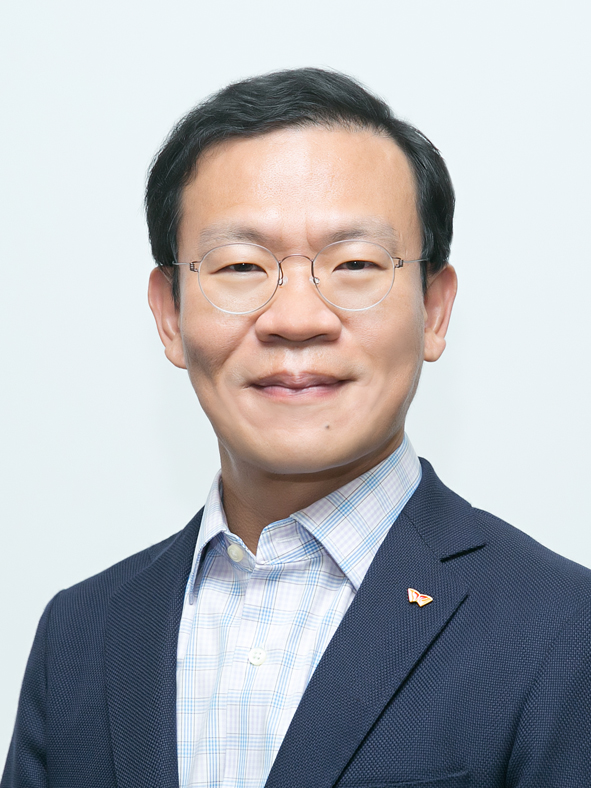
YEUM SungJin
President of the Communications Committee, SK SUPEX Council; Chief Communications Officer, SK hynix
YEUM SungJin
President of the Communications Committee, SK SUPEX Council; Chief Communications Officer, SK hynix
YEUM SungJin is President of the Communications Committee of the SK SUPEX Council, the highest executive consultative body of the SK Group, and Chief Communications Officer of SK hynix. The Communications Committee serves as the overarching body for group-wide external affairs, including government relations and public relations, across all affiliated companies of the SK Group. Prior to this role, Mr. Yeum served as Vice President of the Corporate Relations Team of the SK SUPEX Council and as Director of the Corporate Support Department at the Korea Chamber of Commerce and Industry (KCCI). He holds an M.S. in Information Media Strategy and a B.A. in Business Administration from Yonsei University.
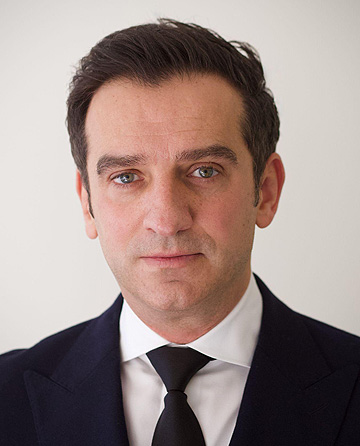
Ylli BAJRAKTARI
President and CEO, SCSP
Ylli BAJRAKTARI
President and CEO, SCSP
Ylli BAJRAKTARI is President and CEO of the Special Competitive Studies Project (SCSP). Prior to launching SCSP, he served as Executive Director of the National Security Commission on Artificial Intelligence and as Chief of Staff to National Security Advisor LTG H.R. McMaster. he held leadership roles under the Deputy Secretary of Defense and served as Special Assistant to the Chairman of the Joint Chiefs of Staff, General Dempsey. He joined the Department of Defense in 2010, serving in the Office of the Under Secretary of Defense for Policy as Country Director for Afghanistan and later India. He holds an M.A. from Harvard University and a B.A. from George Washington University.
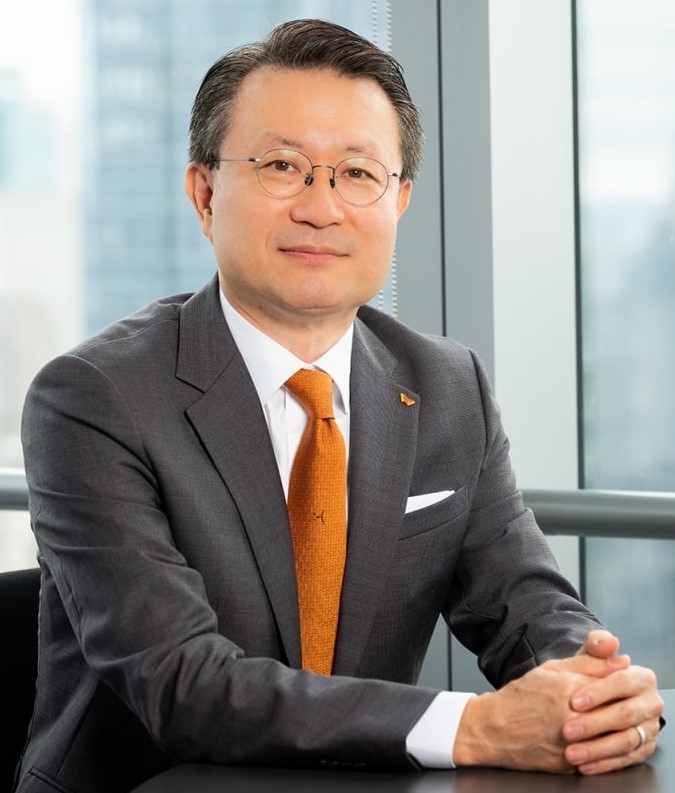
YU Jeong Joon (JJ)
Vice Chairman, SK Inc.; Chief Executive Officer, SK Americas, Inc.
YU Jeong Joon (JJ)
Vice Chairman, SK Inc.; Chief Executive Officer, SK Americas, Inc.
YU Jeong Joon (JJ) is Vice Chairman of SK Inc. and Chief Executive Officer of SK Americas, Inc. As CEO of SK Americas, he leads Group’s operations in the Americas and serves as the principal liaison for government relations, public policy engagement, and strategic partnerships in the United States. He brings more than 25 years of leadership experience across energy and industrial sectors, including oil and gas, LNG, clean energy, and advanced battery technologies. He previously served as CEO of SK E&S, PassKey, and SK On, and currently chairs the International Committee of the Hamm Institute for American Energy and serves on the board of The Korea Society. He holds a Ph.D. in Economics from Seoul National University of Science and Technology.
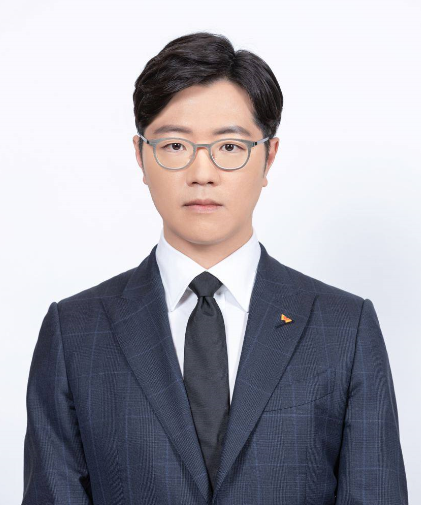
YU Kyungsang
Head of AI CIC, SK Telecom
YU Kyungsang
Head of AI CIC, SK Telecom
YU Kyungsang is the Head of AI CIC (Company-in-company) at SK Telecom. Prior to assuming this position in October 2025, he served as the Chief Strategy Officer at SK Telecom. His extensive leadership experience within the SK Group includes serving as Executive Vice President and Head of the Digital Investment Center at SK Inc. and as Senior Vice President and Technical Advisor at the Chairman’s Office at SK Inc. Earlier in his career, he was the Head of Strategy and Innovation at SK Planet and worked as the Global Product Marketing Lead at Google HQ. He was selected as an Eisenhower Fellow for Artificial Intelligence in 2017. He holds a B.A. in business administration from Yonsei University.
Chey Institute for Advanced Studies
(06141) 17th FL, 211 Teheran-ro, Gangnam-gu, Seoul, Republic of Korea
Tel. : +82-2-6310-7800
Fax : +82-2-6310-7849
E-mail : tpd@chey.org
Chey Institute for Advanced Studies © 2025 All Rights Reserved.


1. Security Challenges and the Future of U.S. Alliances in East Asia

Contingencies involving Taiwan, the South China Sea, and North Korea are of paramount importance due to their potential to disrupt regional and global stability. Taiwan represents a critical flashpoint in US-China relations, with implications for trade, global supply chains, security alliances, and the balance of power in the Indo-Pacific. The situation in the South China Sea is urgent, with near-constant PRC pressure on the Philippines in support of illegitimate maritime claims. Similarly, North Korea's unrelenting nuclear ambitions and unpredictable behavior pose significant threats to peace on the Korean Peninsula and beyond. Deterring aggression will require careful strategic planning, robust deterrence, and cooperation between the U.S., Korea, and Japan, as well as other partners.
